What Are the Benefits of Foya Solar Batteries in 2026?
In 2026, Foya Solar Batteries are set to revolutionize the renewable energy landscape. Industry expert Dr. Emily Carter emphasizes, "Foya Solar Batteries will redefine energy storage efficiency." This innovation provides significant advantages for both residential and commercial users. As energy demands continue to rise, Foya Solar Batteries offer a reliable and sustainable solution.
With their advanced technology, these batteries ensure optimal solar energy utilization. Homeowners can maximize their energy savings, while businesses benefit from reduced operational costs. The durability and longevity of Foya Solar Batteries also stand out. However, the initial investment can be a barrier for many. Prospective users should carefully evaluate their needs against potential gains.
Foya Solar Batteries are a testament to innovation and sustainability. They promise a brighter future in clean energy. As we move forward, it's crucial to continuously assess their performance and impact on our environment.
Overview of Foya Solar Batteries and Their Evolution by 2026
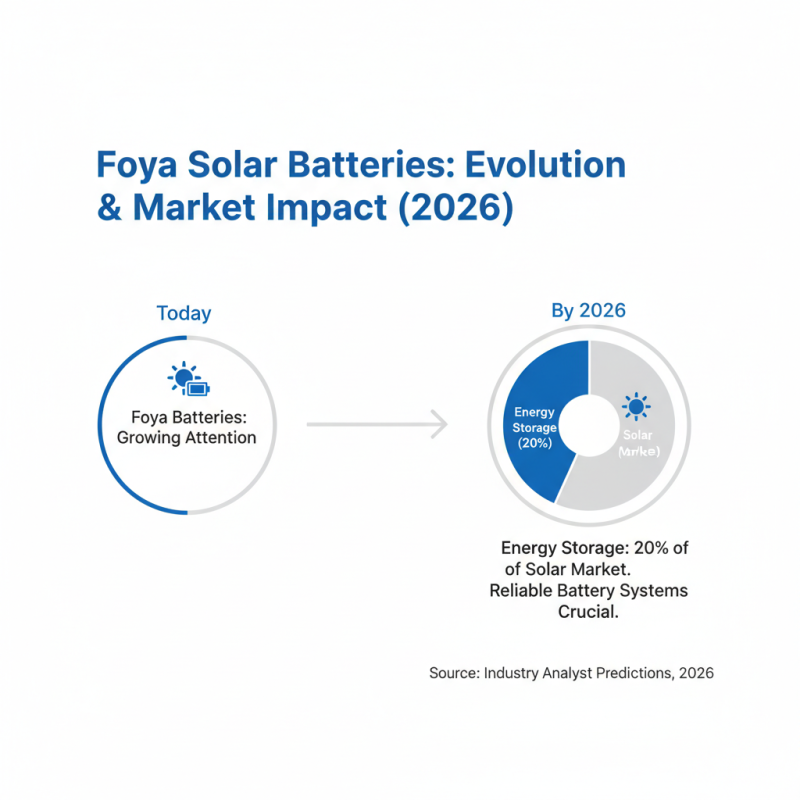
As solar technology evolves, Foya solar batteries are gaining attention. By 2026, analysts predict that energy storage will account for 20% of the solar market. This shift highlights the growing importance of reliable battery systems.
Foya batteries leverage advanced lithium-ion technology. This enhances their lifespan to approximately 15 years. They offer energy efficiency rates above 95%. This data aligns with industry reports suggesting that higher efficiency correlates with better savings on energy costs. However, some users report challenges with installation and compatibility with existing systems. These are critical areas for further development.
Another aspect to consider is sustainability. Foya batteries are designed to use recycled materials. Yet, this aspect is not universally praised. Reports suggest that the recycling process remains energy-intensive, prompting discussions on overall ecological impact. Addressing these issues could solidify Foya's position in the evolving solar market, which is projected to reach a value of $223 billion by 2026.
Key Technological Advancements in Foya Solar Batteries by 2026
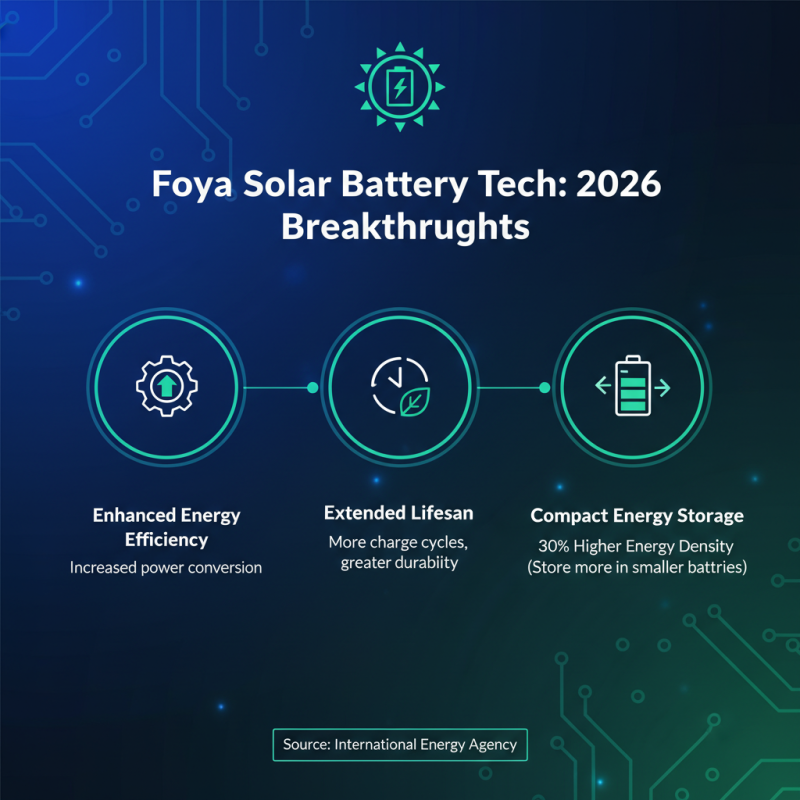
In 2026, Foya solar batteries are expected to undergo significant technological advancements. These improvements will enhance energy efficiency and lifespan. According to the International Energy Agency, innovative battery technology could increase energy density by up to 30%. This boost will allow solar batteries to store more energy in smaller sizes.
One notable development involves smart battery management systems. These systems optimize charging cycles based on usage patterns and weather forecasts. Such technology could lead to a 15% increase in charge efficiency. However, integrating these systems can be challenging. Many users may find the setup complex or require additional guidance.
Moreover, cost-reduction strategies are crucial as well. The price of lithium-ion batteries has dropped about 80% in the past decade. Future projections suggest that further reductions may occur as manufacturers streamline production processes. Still, the industry faces obstacles, including supply chain disruptions and material shortages. Addressing these issues will be vital for realizing the full potential of solar battery technology by 2026.
Environmental and Economic Benefits of Foya Solar Batteries
The rise of solar batteries in 2026 brings significant environmental benefits. Solar batteries help harness energy from the sun. This reduces reliance on fossil fuels. By storing solar energy, homes and businesses can use clean energy even when the sun isn't shining. This shift decreases carbon emissions, contributing to a healthier planet.
On the economic front, using solar batteries can lower energy bills. Homeowners can store excess energy for later use. This not only reduces costs but also increases energy independence. Some communities may face challenges, such as installation costs and maintenance. It's important to weigh these factors carefully. Yet, the long-term savings often outweigh these initial hurdles. Overall, solar batteries represent a blend of eco-friendliness and economic advantage.
Comparative Analysis: Foya Solar Batteries vs. Traditional Energy Storage
In 2026, Foya solar batteries are gaining attention for their efficiency compared to traditional energy storage options. These innovative batteries utilize advanced technology to enhance energy retention. Their ability to charge quickly is a significant advantage. Users find that energy loss during storage is minimal, making them a reliable choice for renewable energy users.
When comparing Foya solar batteries with traditional options, there are fundamental differences. Traditional batteries often have limited lifespans and slower recharge times. This creates issues for users relying on consistent energy supply. On the contrary, Foya batteries offer longer cycles and quicker reloads. Many users report better performance during peak energy periods.
However, it's important to consider the cost implications. While Foya batteries may have higher upfront costs, they often lead to savings over time. The ongoing maintenance of traditional systems can negate those savings quickly. Users must weigh upfront investments against long-term benefits. Such considerations are crucial for informed decision-making in energy storage solutions.
Comparison of Benefits: Foya Solar Batteries vs. Traditional Energy Storage in 2026
Future Prospects and Market Trends for Foya Solar Batteries in 2026
The Foya solar battery market is set to experience significant growth by 2026. With the global energy storage market projected to reach $250 billion by 2025, the demand for advanced solar batteries will undoubtedly increase. Innovations in energy density and efficiency will drive consumer interest. Additionally, as governments implement stricter environmental regulations, sustainable energy solutions will gain traction.
Market trends indicate a shift towards localized energy storage systems. A report from the International Renewable Energy Agency (IRENA) notes that distributed energy resources could play a crucial role in energy resilience. Homeowners and businesses alike are turning to solar batteries to avoid dependence on the grid. Enhanced technologies will also promote user-friendly applications and monitoring systems.
However, challenges remain. The cost of raw materials, particularly lithium, could affect affordability. Reports suggest an increased price volatility, which might deter some consumers. Addressing these supply chain issues is vital for ensuring market stability. As the industry evolves, ongoing assessment of battery life cycles and recycling processes will become essential to promote sustainability.




 Tina - International Sales Director