Best 25.6V Lifepo4 Battery for Reliable Global Supply?
In the quest for reliable energy storage solutions, the 25.6V Lifepo4 Battery stands out prominently. Experts in the field emphasize its importance. Dr. Lisa Tran, a renowned energy storage specialist, once stated, "The 25.6V Lifepo4 Battery is a game-changer in the renewable sector." This statement reflects the growing need for sustainable energy sources.
The global demand for efficient batteries has surged, making the 25.6V Lifepo4 Battery vital. Industries worldwide rely on its durability and performance. Unlike other battery types, Lifepo4 batteries offer enhanced safety features. This reliability is crucial for applications in electric vehicles and solar systems alike.
However, sourcing the best quality 25.6V Lifepo4 Battery can be challenging. Some manufacturers cut corners, leading to safety concerns. Companies must prioritize quality control to ensure consistency. This ongoing challenge highlights the industry's need for transparency and rigor in production processes. The pursuit of the best 25.6V Lifepo4 Battery requires diligence and a commitment to excellence.
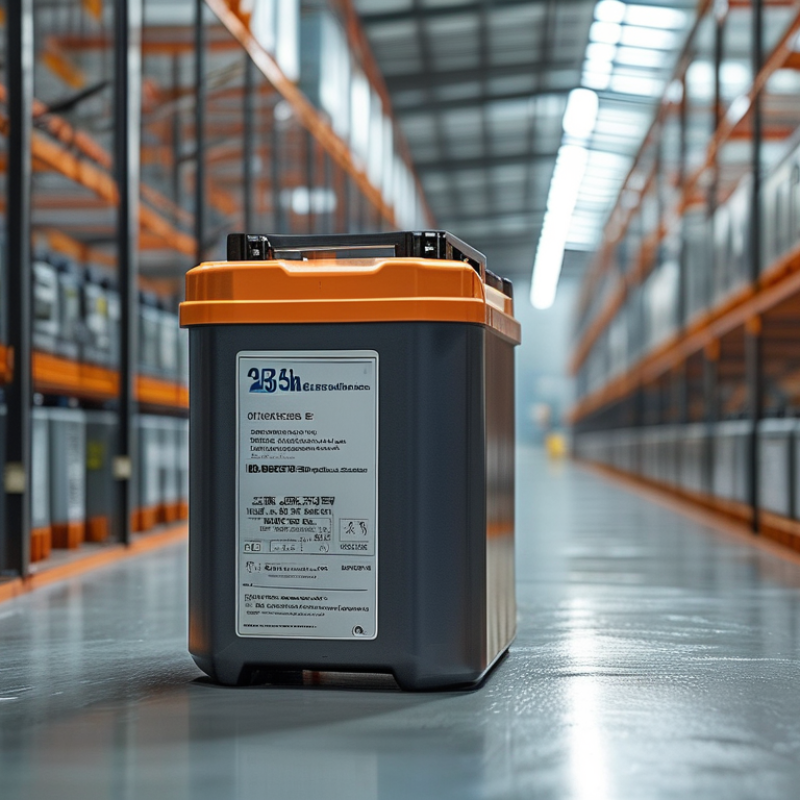
Overview of 25.6V Lifepo4 Battery Technology and Applications
The 25.6V LiFePO4 battery technology has transformed energy storage solutions across various industries. With its stable chemistry, LiFePO4 batteries offer superior safety and longevity. Reports indicate these batteries can last over 2,000 cycles under proper conditions, significantly outpacing traditional lead-acid batteries. Their thermal stability reduces the risk of thermal runaway, which is critical for both consumer and commercial applications.
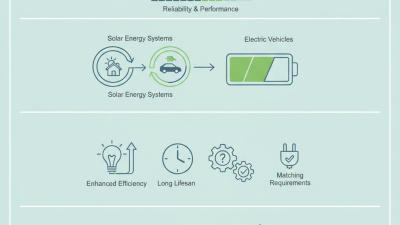
These batteries find applications in renewable energy systems, electric vehicles, and backup power supplies. For instance, a recent study found that integrating 25.6V LiFePO4 batteries in solar energy systems can enhance energy efficiency by up to 30%. Additionally, their lightweight design makes them suitable for electric bikes and scooters, where weight and efficiency are paramount. However, the higher upfront cost compared to conventional batteries can be a drawback for some users, requiring careful financial consideration.
Industry experts emphasize the importance of adopting reliable sourcing and effective management practices. The global supply chain for these batteries can be unpredictable, leading to potential shortages. Companies must be wary of fluctuating raw material prices and geopolitical factors that may disrupt production. Investing in sustainable practices could mitigate risks and improve overall supply chain resilience.
Overview of 25.6V Lifepo4 Battery Technology and Applications
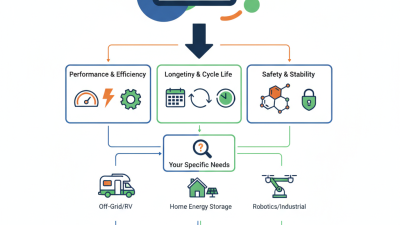
Key Features to Consider When Choosing a Reliable Lifepo4 Battery
Choosing a reliable 25.6V LiFePO4 battery requires careful consideration of key features. The capacity is crucial; it determines how long the battery can power your devices. Look for batteries with a capacity of at least 100Ah for extended usage. Cycle life also matters. Most LiFePO4 batteries offer 2000-5000 cycles, making them a cost-effective choice over time.
Safety features cannot be overlooked. Ensure the battery has built-in protections against overcharging, overheating, and short-circuiting. According to a report from the International Energy Agency, battery safety is vital in minimizing fire hazards in households and businesses.
When comparing options, consider weight and size. Lightweight batteries are easier to handle and install. However, durability is equally important. A rugged construction can withstand harsh environments and extend the battery’s lifespan. Be mindful of potential trade-offs between weight and durability.
Charge efficiency contributes to overall performance. A higher charge efficiency means less energy waste during charging. Reports show that some brands boast up to 95% efficiency, which is impressive. Regular maintenance is required to optimize battery life. Periodically check terminals and ensure connections remain clean for optimal performance.
Best 25.6V Lifepo4 Battery for Reliable Global Supply? - Key Features to Consider When Choosing a Reliable Lifepo4 Battery
| Feature |
Description |
Importance |
| Battery Chemistry |
Lithium Iron Phosphate (LiFePO4) |
High thermal stability and safety |
| Capacity |
Amp-hour rating (Ah) |
Determines energy storage potential |
| Cycle Life |
Number of charge/discharge cycles |
Measures longevity and durability |
| Weight |
Weight of the battery |
Affects portability and installation |
| Temperature Range |
Operating temperature limits |
Essential for various climates |
| Discharge Rate |
Maximum current draw allowed |
Necessary for high-power applications |
| Warranty |
Duration and coverage terms |
Indicator of reliability and trust |
| Charge Time |
Time taken for a full charge |
Influences usage efficiency |
Comparative Analysis of Top Brands in 25.6V Lifepo4 Batteries
When selecting a reliable 25.6V Lifepo4 battery, it's essential to analyze different brands' performance. Lifepo4 technology is celebrated for its long cycle life and safety. A well-constructed battery should offer excellent discharge rates and a robust charge capability. Before diving into the options, consider the chemistry composition, as this can significantly impact the battery's longevity.
Each brand has its strengths and weaknesses. Some batteries excel in durability under high temperature, while others are more efficient in lower temperatures. It's crucial to reflect on your needs. Are you using the battery for portable applications or stationary purposes? Inevitably, some products might fail in real-world conditions. Testing battery performance in various scenarios reveals the true reliability of these products.
A thorough comparison can uncover valuable insights. Look for user reviews, but approach them with caution. Personal experiences vary widely, and what works for one might not for another. Pay attention to warranty offers as well; a solid warranty reflects a brand's confidence in its product. Choosing a 25.6V Lifepo4 battery demands careful thought and research.
Global Supply Chain Factors Impacting Lifepo4 Battery Availability
Global supply chain factors significantly impact the availability of LiFePO4 batteries. These batteries are essential for various applications, including electric vehicles and renewable energy storage. The complexity of global supply chains introduces vulnerabilities. Disruptions can stem from political instability, natural disasters, or transportation issues.
Recent events have highlighted the fragility of supply chains. Factory closures and shipping delays have become common occurrences. Manufacturers need to adapt to these challenges to ensure a steady supply. Establishing local partnerships can be beneficial for reducing dependencies on distant suppliers.
When considering battery purchases, keep an eye on local sourcing opportunities. This can mitigate risks associated with international shipping. Researching manufacturers’ supply chain strategies is vital. Understanding how they handle emergencies can provide insights into their reliability.
Monitoring market trends is essential. Prices fluctuate due to supply chain disruptions, affecting overall availability. It’s wise to stay informed about potential delays or shortages. This proactive approach aids in making timely and informed decisions.
Future Trends in Lifepo4 Battery Manufacturing and Distribution
The evolution of LiFePO4 battery manufacturing is crucial for ensuring reliable global supply. As demand grows, innovations in production processes become vital. Reports indicate that the global LiFePO4 battery market is expected to reach approximately $24.4 billion by 2025, reflecting a significant compound annual growth rate of around 17.5%. This surge suggests a promising future, yet it also highlights potential challenges.
Supply chain complexities can impact manufacturing capabilities. Data shows that raw material shortages, particularly from lithium and phosphate sources, could disrupt production timelines. Companies must prioritize sustainable mining practices and increase recycling efforts to secure these essential components. Such actions could greatly enhance reliability and production efficiency in the long term.
Moreover, geographic distribution of manufacturing facilities is shifting. Many companies are looking to diversify their locations to mitigate risks. Industry reports suggest that establishing manufacturing centers closer to key markets can reduce lead times. However, this strategy presents hurdles, including varying regional regulations and labor considerations. Manufacturers must navigate these challenges to improve responsiveness and adaptability in the global market.



 Tina - International Sales Director