China Top 12.8v Lifepo4 Battery for Efficient Power Solutions?
In the quest for innovative power solutions, the 12.8v Lifepo4 Battery stands out as a leading option. This battery type is known for its efficiency and reliability. Dr. Emily Chen, an expert in battery technology, states, "The 12.8v Lifepo4 Battery redefines energy storage with its unmatched performance."
With a growing demand for sustainable energy, the 12.8v Lifepo4 Battery addresses the needs of various industries. Its lightweight design and high energy density make it suitable for electric vehicles and renewable energy systems. However, there are challenges that users need to navigate. The initial cost can be a barrier for some consumers.
As we explore the benefits of the 12.8v Lifepo4 Battery, it is crucial to weigh its advantages against potential drawbacks. While this battery offers long cycle life and safety, it's important to consider environmental impacts of production. Realizing its full potential requires ongoing research and thoughtful application in real-world scenarios.

Overview of China’s Top 12.8V LiFePO4 Batteries
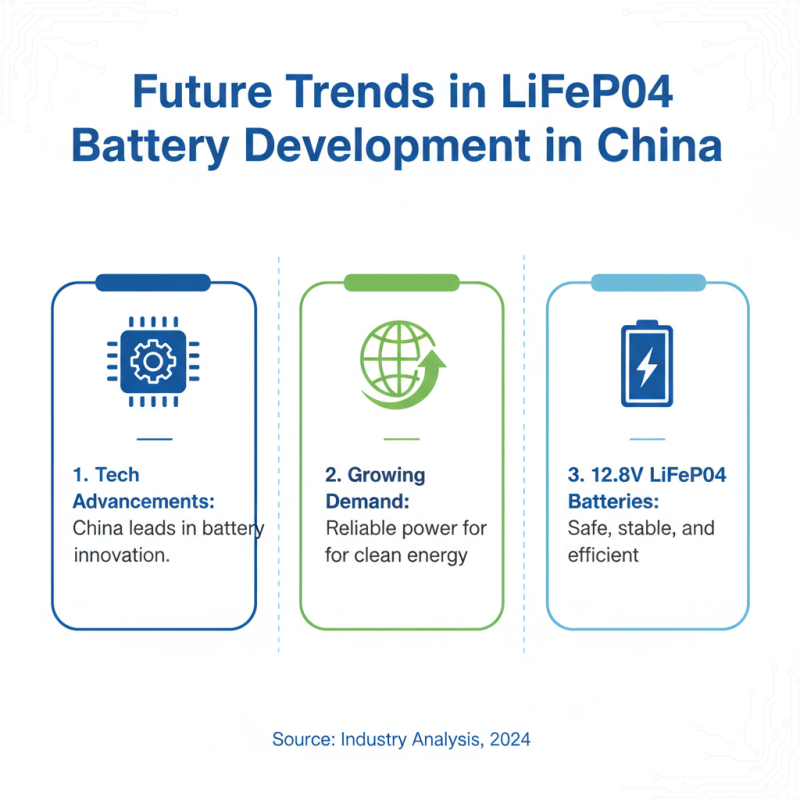
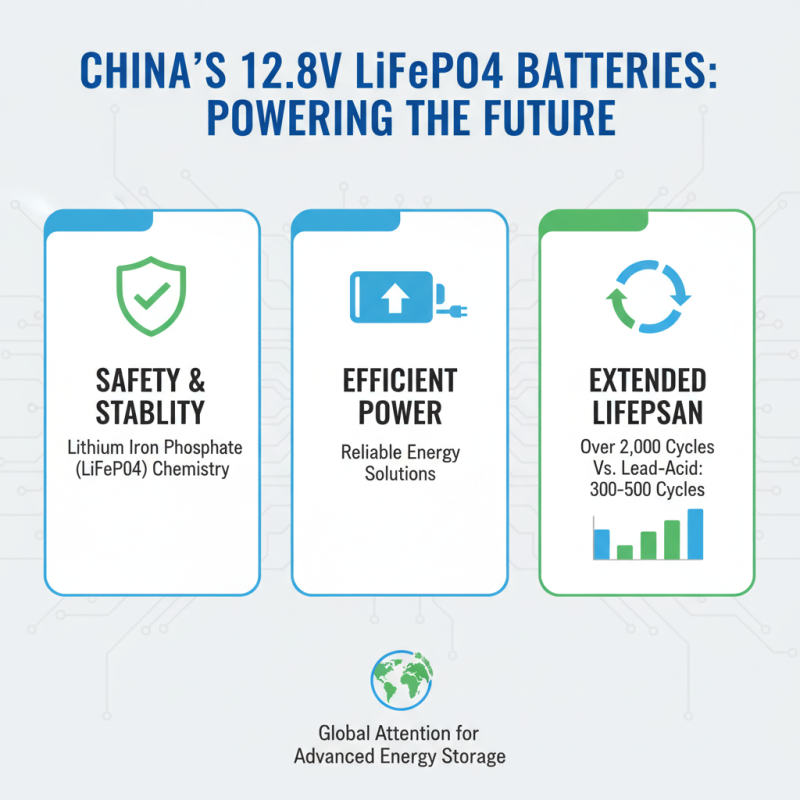
China’s 12.8V LiFePO4 batteries are gaining attention for their efficient power solutions. These batteries utilize lithium iron phosphate (LiFePO4) chemistry, offering safety and stability. Reports suggest that these batteries can have a cycle life of over 2,000 cycles. Their lifespan is significantly longer than traditional lead-acid batteries, which often last only 300-500 cycles.
In applications such as solar energy storage and electric vehicles, the efficiency of LiFePO4 batteries is crucial. They deliver a higher energy density, enabling longer run times. For instance, a typical 12.8V LiFePO4 battery can provide around 100Ah capacity, translating to around 1.28kWh. This capacity ensures devices operate effectively during peak usage periods.
However, some drawbacks need addressing. LiFePO4 batteries are generally more expensive upfront compared to other chemistries. Their charging speeds can also be slower. These factors require careful consideration for those looking to implement efficient power solutions. Overall, the technological advancements in China's LiFePO4 batteries offer promising features but also invite scrutiny regarding their accessibility and integration.
Key Features of 12.8V LiFePO4 Battery Technology
The 12.8V LiFePO4 battery technology presents numerous benefits for efficient power solutions. Its stability sets it apart. This battery type has a longer life cycle compared to traditional options. It can last over 3,000 charge cycles. This longevity is crucial for reducing replacement costs in various applications.
Safety remains a key feature. LiFePO4 batteries do not overheat easily. Their thermal stability minimizes risks associated with fire and explosion. However, they still require proper management systems. Users should be aware of this to maximize performance.
Weight efficiency is another advantage. These batteries are lighter than lead-acid counterparts. Their compact design allows for flexible installations in electric vehicles and renewable energy systems. Despite these strengths, some might find initial costs high. Understanding the long-term savings can help in decision-making. Each user must weigh efficiency and affordability.
Applications of 12.8V LiFePO4 Batteries in Renewable Energy
The 12.8V LiFePO4 batteries are gaining traction in renewable energy sectors. Their efficiency makes them suitable for solar energy storage systems. According to a report by ResearchAndMarkets, this market is projected to grow at a CAGR of 15.3% from 2023 to 2030. This growth indicates a rising demand for reliable energy solutions.
In practical applications, these batteries serve various purposes. For instance, they power residential solar energy systems. A typical home solar system can utilize up to four 12.8V LiFePO4 batteries. This allows for efficient energy storage and enhanced system reliability. However, issues like battery degradation need attention. Studies reveal that while these batteries have a lifespan exceeding 2000 cycles, improper usage can significantly reduce their operational life.
Moreover, their performance in electric vehicles (EVs) is noteworthy. The energy density and safety profile make LiFePO4 a preferred choice in EV applications. A recent analysis indicates that more EV manufacturers are shifting towards these batteries. This shift presents challenges too. Variability in manufacturing quality can affect performance consistency. Addressing these concerns is vital for long-term adoption and reliability.
Comparative Analysis: 12.8V LiFePO4 vs. Other Battery Types
The 12.8V LiFePO4 battery has gained popularity due to its safety and efficiency. Compared to lead-acid batteries, it boasts a longer lifespan, lasting up to 10 years or more, depending on usage. Lead-acid batteries typically last only 3-5 years. This is mainly due to the resilience of LiFePO4 against deep discharges.
When looking at energy density, LiFePO4 batteries provide about 90-120 Wh/kg, while nickel-cadmium batteries range from 45-80 Wh/kg. The greater density means less weight for more energy, an attractive feature for mobility applications. However, the initial cost can be a barrier; LiFePO4 batteries are pricier upfront.
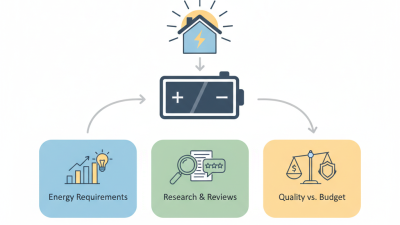
Tips: When considering battery options, assess your application needs clearly. Evaluate factors like energy density and lifespan over time. Always factor in potential savings on maintenance and replacement costs.
Data shows that LiFePO4 batteries exhibit excellent thermal stability. They can withstand higher temperatures without degrading, unlike other lithium batteries. This characteristic makes them suitable for various environmental conditions. Some might find the transition to LiFePO4 challenging due to battery management systems. Adjustments in setup may be necessary.
Choosing the right battery type is not straightforward. Each application may prioritize different characteristics, leading to potential misalignments. Always analyze both current needs and future requirements.
Comparative Analysis of 12.8V LiFePO4 vs Other Battery Types





 Tina - International Sales Director