2026 How to Choose the Best Foya Solar Battery for Your Needs
Choosing the best Foya Solar Battery for your needs can be overwhelming. With various options available, it’s essential to consider your specific requirements. Solar technology is advancing, making batteries more efficient and reliable. Still, the best choice often depends on your unique situation.
Look for features like capacity, lifespan, and warranty. A higher capacity can store more energy but may come at a higher price. Foya Solar Batteries are known for their reliability and performance, but not all models fit every user. It's crucial to assess your energy consumption and future needs.
Begin by analyzing your current energy usage. What do you want your solar battery to power? Understanding this will lead you to the right model. Potential buyers should compare different Foya models thoroughly. Real feedback from other users can provide valuable insights. Remember, the best decision is one based on research and consideration, not impulse.
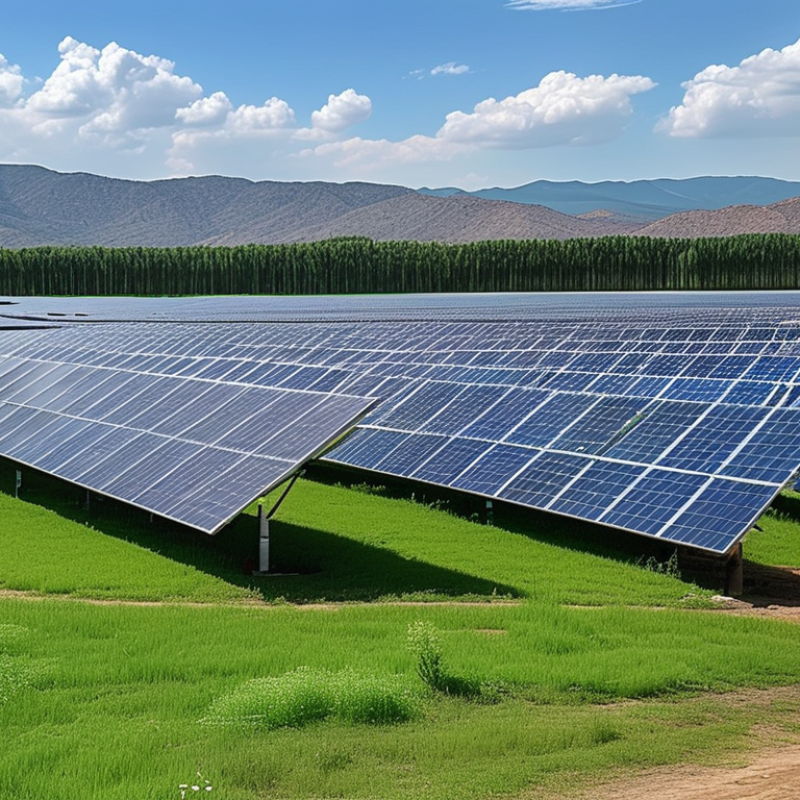
Understanding Foya Solar Battery Types and Their Applications
When selecting a solar battery, understanding different types is essential. Foya solar batteries come in various forms, each designed for specific applications.
Lead-acid batteries are common and cost-effective. They are durable but require maintenance.
Lithium-ion batteries are another option. They last longer and are lighter but tend to be more expensive.
Consider your energy needs. If you have a high daily energy requirement, lithium-ion batteries may suit you better. They discharge energy efficiently and recharge quickly. For occasional use, lead-acid batteries might suffice. Their capacity is lower, but they can handle multiple cycles if cared for properly.
It's crucial to evaluate installation and space. Some batteries need specific setups, while others can be more flexible. Always check for compatibility with your solar system.
While prices can vary, investing in the right battery can reduce long-term costs. Reflect on your energy consumption patterns. This can guide your decision-making process significantly.
Assessing Your Energy Needs for Optimal Battery Selection
When choosing a solar battery, assessing your energy needs is crucial. Start by calculating your daily energy consumption. List all devices, appliances, and their wattage. Consider how often you use them and for how long. This will help you estimate the total energy required.
Once you have this information, think about your lifestyle and potential energy fluctuations. If your energy use varies widely, you may need a battery with a larger capacity. It’s also important to plan for future needs. Will your energy consumption increase? What about seasonal changes in solar generation? These factors can influence your battery selection.
Don’t overlook efficiency ratings too. A battery's depth of discharge and cycle life gives insight into its longevity. Sometimes, a cheaper option isn’t the best choice. It’s essential to balance cost with performance. Keep in mind the installation space as well. A larger battery requires more room, and that can be a constraint for some. Reflect on all these details to ensure the right fit for your energy needs.
2026 How to Choose the Best Foya Solar Battery for Your Needs
| Battery Type |
Capacity (Ah) |
Voltage (V) |
Warranty (Years) |
Recommended Use |
| Lithium-ion |
100 |
12 |
10 |
Off-grid homes |
| Lead-acid |
200 |
12 |
5 |
Backup power |
| Gel |
150 |
12 |
7 |
Solar applications |
| AGM |
120 |
12 |
4 |
RV & Marine |
Comparing Battery Capacity, Lifespan, and Warranty Options
When selecting a solar battery, understanding battery capacity, lifespan, and warranty options is crucial. Battery capacity, measured in kilowatt-hours (kWh), indicates how much energy the battery can store. According to industry reports, the average residential solar battery has a capacity ranging from 10 kWh to 20 kWh, providing adequate power for household use. However, the greatest capacity doesn't always equal the best choice. Assess your daily energy needs before making a decision.
Lifespan is equally important. Most solar batteries can last between 5 to 15 years, depending on usage and technology. Some lithium-ion batteries boast a cycle life of over 3,000 cycles, while lead-acid batteries typically offer around 1,500 cycles. A longer lifespan means less frequent replacements, potentially leading to cost savings in the long run.
When it comes to warranty options, look for batteries with extensive guarantees. A warranty period of 10 years or more is often seen as reliable. However, be cautious, as warranties may cover only specific conditions or require regular maintenance checks. A careful examination of warranty terms is essential.
Tips:
1. Evaluate your energy usage patterns before choosing a battery capacity.
2. Research the differences between lithium-ion and lead-acid batteries for better lifespan choices.
3. Always read the fine print in warranty agreements to avoid surprises later.
Evaluating Installation Requirements and Compatibility with Systems
When considering Foya solar batteries, installation requirements deserve careful attention. Start by assessing your energy needs. A battery must align with your solar panel capacity. System compatibility is crucial for efficiency. Check the voltage and energy capacity of your existing setup. Mismatched specifications can lead to performance issues.
Evaluate your installation environment. Is there sufficient space for the battery? Consider factors like temperature and humidity. Batteries often perform poorly in extreme conditions. If you're not sure, consult a professional for precise advice. The integration process may involve additional components, which can affect overall costs.
Compatibility with various inverters also plays a role. Some systems may require specific settings for optimal function. Be aware this may complicate the installation. Proper research and planning can prevent future frustrations. Always prioritize reliable information when making your decision. Trustworthy resources can guide your choice, ensuring a successful solar battery installation.
Exploring Costs, Maintenance, and Customer Support for Foya Batteries
When considering
Foya solar batteries, evaluating costs is crucial. Various models have different price points.
High-quality batteries may be more expensive upfront but can save money in the long run.
Check energy efficiency ratings and average lifespan to gauge overall value. Some inexpensive options might lead to higher replacement costs later.
Maintenance is another key factor. Regular checks can prolong battery life and efficiency. Look for batteries that have accessible features for maintenance. Simple tasks, like cleaning terminals and checking connections, are essential. However, some may overlook these basics, leading to issues down the line.
Tips: Always read user reviews before making a purchase. They can offer insights into real-world performance.
Consider warranties and customer support offerings. Reliable support can make a difference in case of issues.
Communicate your needs clearly to customer service representatives; they can help find the best solutions for your situation.





 Tina - International Sales Director