Why Choose Lithium Iron Phosphate Battery for Your 2026 Needs?
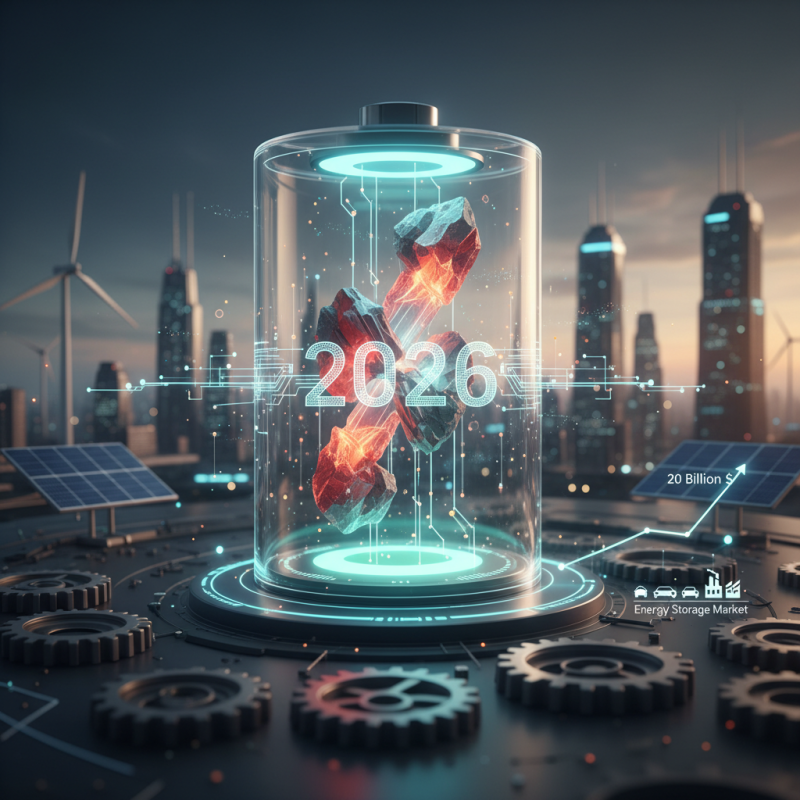
As we approach 2026, the demand for efficient and sustainable energy storage solutions escalates. The Lithium Iron Phosphate Battery (LiFePO4) stands out due to its numerous advantages. According to the International Energy Agency, the energy storage market is projected to reach $20 billion by 2026. This growth is fueled by the need for cleaner energy, and LiFePO4 is at the forefront.
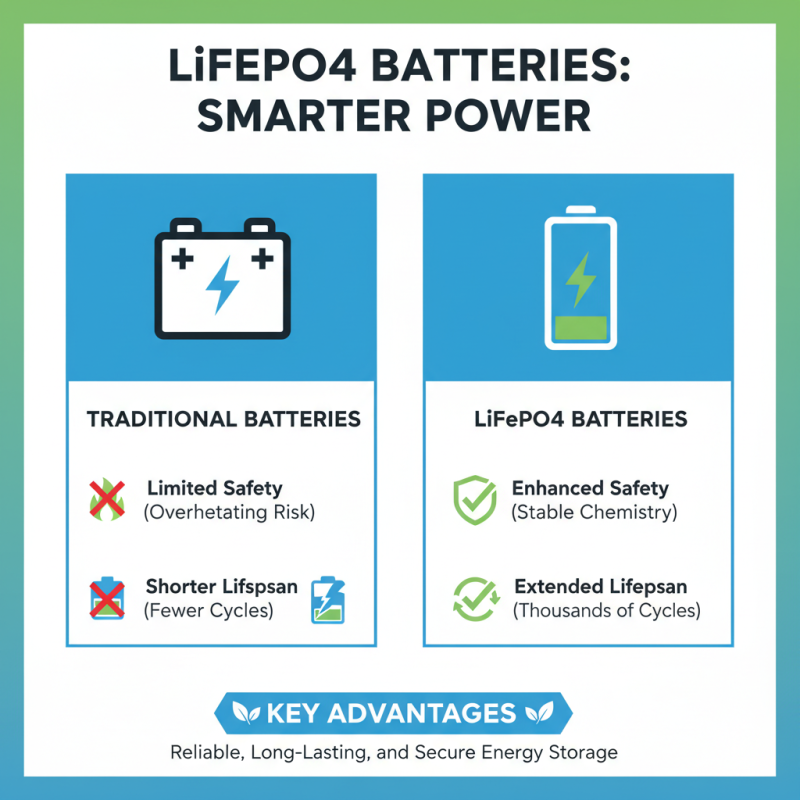
Lithium Iron Phosphate Batteries are known for their thermal stability and long life cycle. Data from the Battery University indicates that these batteries can last over 2,000 charge cycles, making them a durable choice for various applications. Many industries, including automotive and renewable energy, are increasingly adopting LiFePO4 due to their cost-effectiveness and safety profile.
While competitors exist, none provide the same reliability under high-temperature conditions or ensure effective thermal management. However, it's essential to consider the materials and recycling processes, as environmental impact remains a crucial factor. Lithium Iron Phosphate Batteries are not without challenges, but their strategic benefits highlight their potential as a reliable energy solution for 2026 and beyond.
Benefits of Lithium Iron Phosphate Batteries Over Traditional Options
Lithium Iron Phosphate (LiFePO4) batteries offer several advantages over traditional battery options. These batteries excel in safety due to their stable chemistry. They do not readily overheat or explode, making them a reliable choice for a variety of applications. Their long cycle life also sets them apart. Users can benefit from thousands of charge cycles, reducing the need for frequent replacements.
Moreover, LiFePO4 batteries are more environmentally friendly. They contain no harmful heavy metals, unlike some conventional batteries. This makes them a cleaner option for both industrial and personal use. However, their energy density is lower than that of lithium-ion batteries. This means they may require a larger volume for the same power output. Users must weigh this factor against their specific needs.
In terms of performance, LiFePO4 batteries deliver stable voltage during discharge. This consistency can lead to better overall efficiency. Many users appreciate the low maintenance requirements as well. Still, it's important to consider charging methods. Not all chargers work efficiently with these batteries. Users should always verify compatibility before making a switch.
Key Features of Lithium Iron Phosphate Batteries in 2026
Lithium Iron Phosphate (LiFePO4) batteries stand out in 2026 due to their impressive safety features. Unlike other types, they are less prone to overheating. This makes them a reliable choice for both consumer and industrial applications. They offer stable performance, even under demanding conditions. Users often appreciate this reliability.
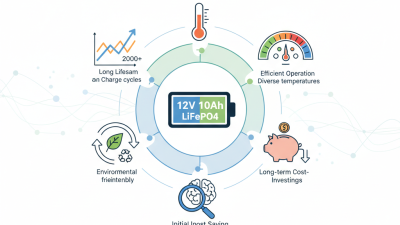
Another key feature is their long cycle life. Lithium Iron Phosphate batteries can last for over 2,000 charge cycles. This significantly reduces the need for frequent replacements. The life span translates to cost savings. Additionally, these batteries maintain capacity well, even after years of use. Enthusiasts often cite this durability as a major advantage.
Their environmental impact is also a focal point. Lithium Iron Phosphate batteries contain non-toxic materials. This aligns with the growing demand for sustainable technologies. However, they do have lower energy density compared to other lithium-ion options. This can limit their use in compact applications. It highlights the need for careful selection when evaluating battery options.
Cost-Effectiveness of Lithium Iron Phosphate for Long-Term Use
Lithium iron phosphate (LiFePO4) batteries have gained attention for their cost-effectiveness, especially for long-term use. Their initial purchase price may seem higher than other battery types, but a closer look reveals significant savings over time. These batteries boast a long cycle life, often exceeding 2000 charge cycles. This extended lifespan means fewer replacements and reduced waste, appealing to environmentally conscious consumers.
Moreover, LiFePO4 batteries have a stable chemistry. They are less prone to overheating or catching fire compared to other lithium batteries. This safety aspect often leads to lower insurance premiums and fewer safety concerns. However, it’s essential to acknowledge that their performance can decline in extreme temperatures. Users in harsher climates may need to find ways to mitigate this issue.
Energy efficiency plays a crucial role in overall cost savings. LiFePO4 batteries deliver a consistent power output, maximizing energy usage. This efficiency translates into lower electricity costs over time. Yet, they may require a higher initial investment for specific applications like electric vehicles and renewable energy systems. Understanding these factors is vital when considering LiFePO4 batteries for your needs in 2026. Choosing the right battery involves weighing these pros and cons carefully.
Environmental Impact and Sustainability of Lithium Iron Phosphate Batteries
Lithium Iron Phosphate (LiFePO4) batteries are gaining attention for their environmental benefits. These batteries offer a sustainable alternative to traditional energy storage options. They contain non-toxic materials and have a lower environmental impact during production. Moreover, LiFePO4 batteries are recyclable. Proper recycling reduces waste and prevents harmful substances from entering the ecosystem.
Tips: Look for recycling programs in your area. Ensure your used batteries are disposed of properly. Participating in local programs can help the environment.
LiFePO4 batteries feature a longer lifespan than many alternatives. They require less frequent replacements, which cuts down on resource consumption. However, the production process still has environmental concerns. Mining lithium can be damaging and can lead to habitat loss. Awareness of these issues is crucial for responsible decision-making.
Tips: Research the sourcing of materials. Choose suppliers committed to ethical practices. Supporting responsible sourcing can help mitigate impacts.
Applications and Innovations in Lithium Iron Phosphate Battery Technology
Lithium Iron Phosphate (LiFePO4) batteries are gaining attention in various sectors. Their unique chemistry offers stability and safety. The strong thermal stability of these batteries results in a reduced risk of overheating. This technology is particularly suitable for electric vehicles and renewable energy storage.
Innovations in LiFePO4 battery technology are reshaping the landscape. Fast-charging capabilities have improved, making them more efficient. The development of lighter materials has increased energy density without sacrificing safety. Researchers continuously seek ways to enhance lifespan and reduce costs. However, challenges remain in mass production and recycling processes.
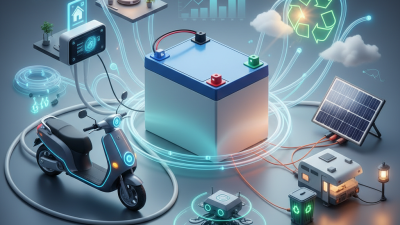
Applications for LiFePO4 batteries extend to solar energy systems and backup power supplies. Industries are now exploring this technology for grid stabilization. Continuous advancements suggest a bright future. Yet, as demand grows, manufacturers must ensure sustainable practices. Balancing performance and environmental impact remains a critical concern.
Applications of Lithium Iron Phosphate Batteries in 2026





 Tina - International Sales Director