How to Choose the Right Lithium Iron Phosphate Battery for Your Needs?
Choosing the right Lithium Iron Phosphate Battery can be challenging. Industry expert Dr. Emily Carter once stated, "Understanding your specific needs is crucial." With the growing popularity of these batteries, buyers are faced with numerous options. Evaluating capacity, size, and application is vital in making an informed decision.
Many people overlook the importance of these aspects. It’s common to focus solely on price. However, a cheaper battery may not last as long, costing you more in the long run. Moreover, not all Lithium Iron Phosphate Batteries perform the same. Features like discharge rate and cycle life vary significantly.
Think about your requirements carefully. Do you need a lightweight solution for portable uses? Or will you use it for stationary applications? Each scenario demands different specifications. Consider every detail; your choice will impact functionality and efficiency in the long term.
Understanding Lithium Iron Phosphate Batteries and Their Benefits
Lithium Iron Phosphate (LiFePO4) batteries are gaining popularity for various applications. They are known for their stability and safety. These batteries are perfect for electric vehicles, renewable energy systems, and portable devices. Their high thermal stability ensures they don’t overheat easily, reducing fire risks. However, they are heavier than other lithium batteries, which might be a concern for mobility applications.
These batteries offer a longer cycle life than traditional lead-acid batteries. Users can charge them thousands of times without significant degradation. This longevity can translate into cost savings over time. However, the initial investment can be higher. People often overlook this aspect when choosing batteries. It’s essential to consider how much you’re willing to spend versus the long-term benefits.
One major advantage is their eco-friendliness. They do not contain toxic heavy metals. This makes them safer for the environment. Still, the recycling processes for these batteries are still evolving. Not everyone realizes this. Assessing the lifecycle and disposal options can be challenging, and it’s crucial to stay informed.
Evaluating Your Power Requirements for Specific Applications
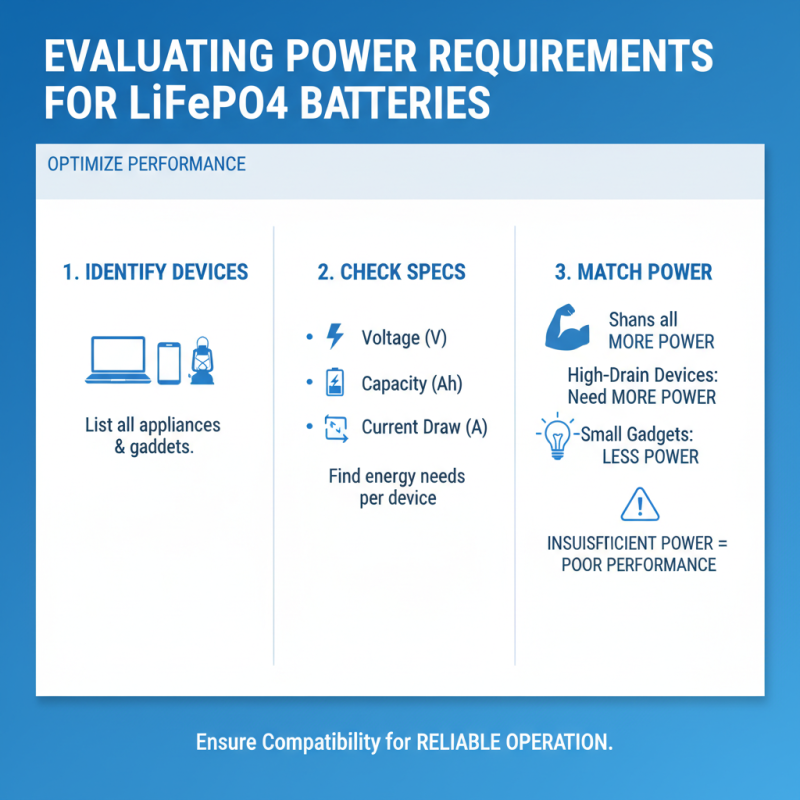
When choosing a lithium iron phosphate battery, understanding your power requirements is crucial. Evaluate the devices you will be using. Consider the voltage, capacity, and current draw. Each device has its own energy needs. If these aren't met, performance will suffer. For example, a high-drain appliance will require more power than a small gadget.
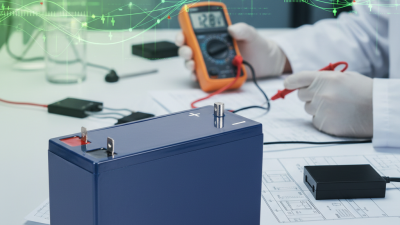
Tips: Always check the specifications of your devices. Identify their maximum power usage. Think about how long you need the battery to last. This will guide you in selecting the right capacity.
You may also need multiple batteries for larger applications. But remember, more batteries mean more complexity. Pay attention to weight and size as well. A bulky battery might not fit your setup. It's essential to think ahead. Reflect on how often you'll recharge. Long charging times may hinder your workflow.
Tips: Try to balance power needs with convenience. Sometimes a slightly bigger battery is worth it for longer use. Don’t rush your decision. Take the time to ensure you understand your real needs.
Factors to Consider: Size, Weight, and Form Factor of the Battery
When selecting a lithium iron phosphate battery, size, weight, and form factor are crucial. These factors directly affect the battery's performance and usability. The most common sizes include cylindrical and prismatic shapes. Each offers different advantages depending on your application. A report from the International Energy Agency indicates that battery size impacts energy density and weight. Smaller batteries often mean less energy capacity.
Weight also plays a significant role. Lighter batteries are preferred in portable applications. For example, lithium iron phosphate batteries typically weigh about 20% less than traditional lead-acid options. However, a lighter battery may compromise some performance. It's essential to find balance.
Tips: Always check the specifications. Measure your device's space for a perfect fit. Consider the battery's weight when transporting it. If the battery is too heavy, it could affect maneuverability. Assess if a smaller or different form factor meets your needs better. Ultimately, every choice has its trade-offs. Reflect on these aspects carefully before making a decision.
Assessing Battery Management Systems and Safety Features
When selecting a lithium iron phosphate battery, it is vital to consider the battery management system (BMS). The BMS plays a crucial role in ensuring safe and efficient operation. It manages charging and discharging cycles, preventing overcharging or over-discharging. This feature is critical for longevity and performance. Without a solid BMS, your battery might suffer.
Safety features are equally important. Look for batteries that include thermal management systems. These help control temperature, preventing overheating. An integrated fuse can also protect against short circuits. Investing in these safety features can prevent hazardous situations. However, not all batteries include comprehensive safety measures.
Pay attention to needs versus features. Some may prioritize weight and size, while others focus on capacity and power output. Make sure you evaluate your requirements. Balancing performance with safety can be challenging. Always conduct thorough research that accounts for your specific use case. Failure to do so may lead to unexpected issues down the road.
Battery Capacity and Discharge Rate of Lithium Iron Phosphate Batteries
Comparing Cost vs. Performance for Optimal Choice
When selecting a lithium iron phosphate battery, understanding the balance between cost and performance is critical. Higher performance usually comes with a higher price tag. However, this does not always mean a better battery. You need to assess your specific needs first. Consider the energy requirements of your application.
Tips: Always calculate the total cost of ownership. This includes the purchase price and potential maintenance costs. A cheap battery may end up being more expensive in the long run.
Battery lifespan is another critical factor. Some batteries might be cheaper upfront but degrade faster. Look for specifications like cycle life for a better picture. A battery rated for more cycles can often justify a higher price.
Tips: Research utilities and reviews for real-world performance. Don’t rely solely on the manufacturer’s specs. Each application can behave differently based on usage, temperature, and load. Reflect on your unique context before making a decision.
How to Choose the Right Lithium Iron Phosphate Battery for Your Needs? - Comparing Cost vs. Performance for Optimal Choice
| Battery Type |
Capacity (Ah) |
Voltage (V) |
Cycle Life |
Cost ($) |
Weight (kg) |
| Lithium Iron Phosphate |
100 |
12.8 |
2000 |
300 |
12 |
| Lithium Iron Phosphate |
200 |
25.6 |
3000 |
600 |
25 |
| Lithium Iron Phosphate |
50 |
12.8 |
1500 |
200 |
8 |
| Lithium Iron Phosphate |
75 |
12.8 |
1800 |
250 |
10 |




 Tina - International Sales Director