2026 How to Choose Foyasolar Battery for Your Solar Power Needs?
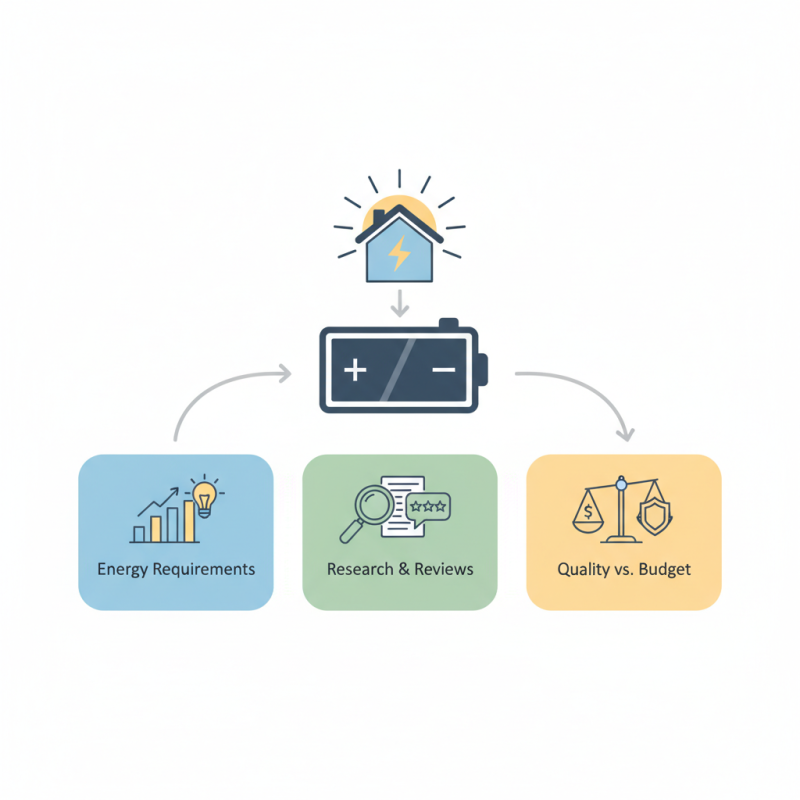
Choosing the right battery for your solar power needs can be challenging. Foyasolar Battery stands out in the market with its advanced technology and reliability. Several factors play a crucial role in this decision.
Understanding your energy requirements is essential. Evaluate your home’s energy consumption patterns carefully. Different batteries offer various capacities to meet specific needs. Foyasolar Battery provides options that can cater to diverse power demands.
Research is vital. Look into customer reviews and expert opinions about Foyasolar Battery. Reliable sources can shed light on performance and longevity. However, don’t rely solely on reviews. Sometimes, experiences vary widely. Reflect on what suits your situation best. Balancing quality with budget is key.
Understanding Foyasolar Battery Types and Specifications
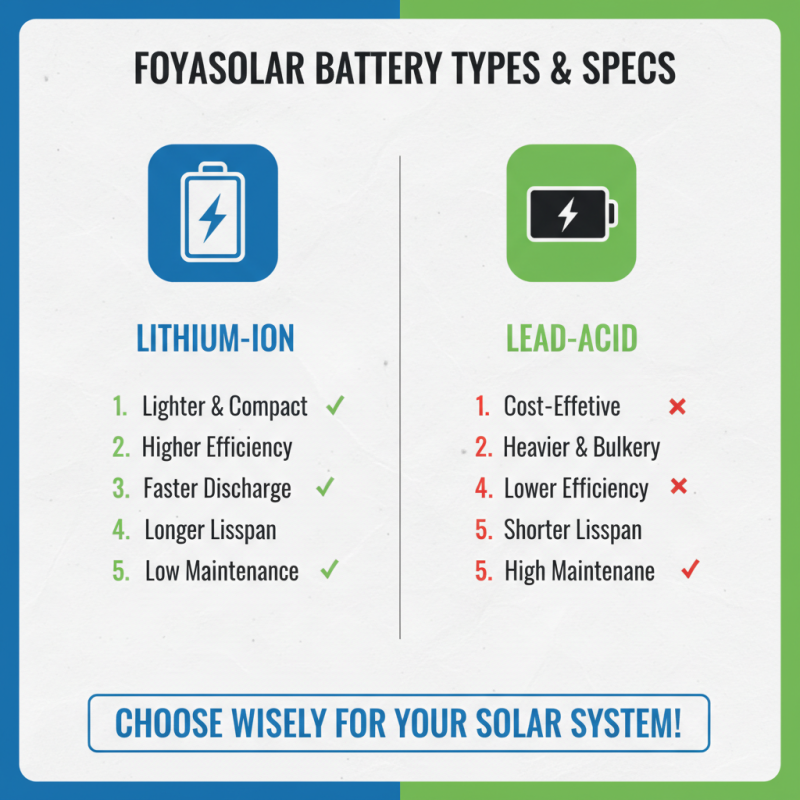
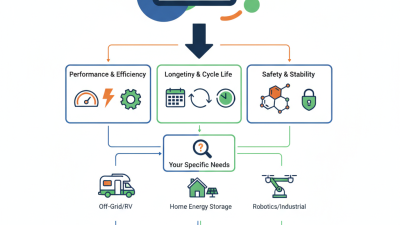
When selecting a battery for your solar power system, understanding the types and specifications is essential. Foyasolar batteries come in various forms, mainly lithium-ion and lead-acid. Lithium-ion batteries are lighter and more efficient. They offer better discharge rates and longer lifespans. Meanwhile, lead-acid batteries are cost-effective but can be bulkier and require more maintenance.
Capacity is a crucial specification. It measures how much energy the battery can store. A higher capacity is often desirable but also more expensive. Consider your actual energy needs. Think about how you use power during the day and night. Sometimes, people overestimate their needs and end up with excessive capacity.
Another factor is the battery's depth of discharge (DoD). This indicates how much energy can be safely used from the battery. A higher DoD means more usable energy. However, deeper discharges can lead to shorter battery lifespans. Lastly, pay attention to the charge cycle rating. More cycles mean the battery lasts longer but might initially cost more. Reflecting on these elements can lead to better choices for your solar power needs.
Evaluating Your Solar Power Requirements
When evaluating your solar power needs, defining energy consumption is crucial. According to the U.S. Energy Information Administration, the average American household uses about 877 kWh per month. Understanding your monthly usage helps in sizing the right battery system. Consider peak usage times and seasonal variations.
Tip: Track your energy consumption for a month. This data provides insights into your energy use patterns.
Assessing the battery capacity needed is next. The capacity, measured in kilowatt-hours (kWh), should match your consumption rate. For example, if your home uses 30 kWh daily, a 10 kWh battery might provide a backup for three days. However, many users may not account for inefficiencies, which can lead to outages during critical times. The Global Energy Storage Association notes that a well-sized system maximizes both savings and reliability.
Tip: Factor in potential growth. If you plan to add electric vehicles or expand your home, choose a battery system that can scale.
Lastly, battery chemistry matters. Lithium-ion batteries dominate the market. They offer high energy density, efficiency, and longer lifespans than alternatives. However, variations exist within lithium-ion technologies, affecting performance. Take time to research each option's pros and cons.
2026 How to Choose Foyasolar Battery for Your Solar Power Needs? - Evaluating Your Solar Power Requirements
| Battery Type |
Capacity (Ah) |
Voltage (V) |
Cycle Life |
Efficiency (%) |
Warranty (Years) |
| Lithium-ion |
100 |
12 |
2000 |
95 |
10 |
| Lead Acid |
150 |
12 |
300 |
85 |
5 |
| AGM |
200 |
12 |
1200 |
90 |
7 |
| Gel |
120 |
12 |
900 |
88 |
6 |
| Lithium Iron Phosphate |
80 |
12 |
3000 |
98 |
12 |
Determining Battery Capacity and Performance Needs
When selecting a solar battery, understanding capacity and performance is crucial.
Capacity is measured in amp-hours (Ah). A typical household might require a battery with at least
200Ah for effective energy storage. According to the National Renewable Energy Laboratory (NREL),
one kilowatt-hour (kWh) of energy can power a home for approximately 3-4 hours, depending on usage.
This means a battery’s capacity should align with daily energy consumption to avoid unexpected outages.
Battery performance is another critical aspect. Temperature affects efficiency.
Research indicates that lithium-ion batteries perform best between 20°C and 25°C. In extreme temperatures,
performance can decline significantly. Users should consider operating conditions and potential heat sources.
Additionally, charging cycles impact battery life. Most batteries last between 1,500 to 2,500 cycles.
Choosing a battery with a good cycle life can mitigate long-term replacement costs.
It's important to reflect on your energy habits and future needs. Power outages or increased energy demands may require
more capacity than initially estimated. Regularly monitoring energy consumption can provide insights into whether your
current battery meets your needs. Don't overlook the significance of proper installation.
Poor installation can lead to inefficiencies and safety hazards. Engaging with professionals for setup ensures
optimal performance, ultimately aligning the battery choice with your energy goals.
Comparing Foyasolar Battery Features and Benefits
When selecting a battery for solar power needs, it's essential to analyze features and benefits carefully. Foyasolar batteries, for instance, are recognized for their efficiency and lifespan. Their performance metrics can significantly impact your overall solar setup. Industry reports indicate that lithium-ion batteries typically offer 90-95% round-trip efficiency, making them a popular choice among homeowners.
Battery capacity matters greatly. A higher capacity allows for more energy storage, enabling you to use solar power even when sunlight isn’t available. Many consumers overlook this aspect. Understanding your energy consumption patterns can help you choose the right capacity. A study suggests that homeowners could save up to 50% on energy bills when using an optimal battery solution that meets their needs.
One tip for choosing the right battery is to consider the warranty and lifespan. Look for products with at least 10 years of warranty. This can provide peace of mind. Also, ensure that the battery's depth of discharge is suitable for your energy needs. Not every battery allows for full discharge without compromising its lifespan. Research shows that batteries discharged above 80% can experience a significant decrease in longevity. Have a plan. This strategy can prevent costly mistakes.
Installation and Maintenance Considerations for Foyasolar Batteries
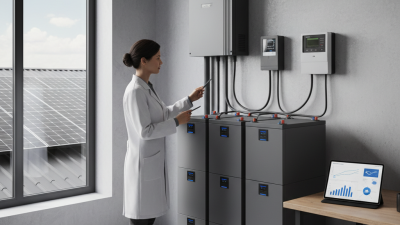
When considering the installation and maintenance of Foyasolar batteries, specific factors are essential. Choosing the right battery can impact system performance significantly. Batteries should be placed in a cool, dry location for optimal performance. Temperature variations can reduce battery efficiency. Installing batteries correctly is crucial for safety and longevity.
Regular maintenance is vital. Inspections should occur every six months. Check for corrosion on terminals and ensure connections are tight. Neglecting maintenance can lead to battery failure or reduced capacity. A study by the National Renewable Energy Laboratory found that properly maintained batteries can last up to 30% longer than their poorly maintained counterparts.
Tips: Using battery management systems can optimize charging cycles. This helps in maintaining battery life. Regularly updating firmware is also essential. Up-to-date systems can efficiently manage battery health and performance. Remember, improper installation may void warranties and result in additional costs. Always double-check before finalizing installation.
2026 Solar Battery Performance Comparison





 Tina - International Sales Director