Why Choose Foya Solar Batteries for Global Buyers?
Global energy buyers are rethinking how electricity is stored, delivered, and protected. The International Energy Agency reported nearly 510 gigawatts of renewable capacity additions in 2023, with solar power providing roughly three quarters of that growth. This expansion increases demand for dependable battery storage, especially where sunlight changes by season, weather, or operating hours.
The IEA’s Batteries and Secure Energy Transitions report identifies battery storage as essential for integrating more renewable power. It also indicates that global energy storage must expand dramatically before 2030. That pressure makes supplier selection more important than headline capacity. Foya Solar Batteries can interest global buyers seeking practical energy storage for homes, commercial facilities, and solar projects. Buyers should examine battery chemistry, usable capacity, cycle performance, thermal control, and monitoring functions. Safety documentation matters too.
Reliable purchasing requires evidence, not attractive claims. Look for verified test results, transparent warranty conditions, traceable production information, and compliance with relevant transport and electrical standards. The International Renewable Energy Agency also emphasizes falling storage costs and stronger system flexibility as clean-energy deployment grows. Still, no battery is perfect. Performance may change with heat, charging habits, installation quality, and maintenance. I may be cautious here, but that caution protects long-term investment. This guide explores why Foya Solar Batteries may suit international buyers, while encouraging realistic comparisons, professional installation, and careful evaluation of total ownership costs. A lower purchase price can become expensive when replacement, downtime, or weak after-sales support is ignored.
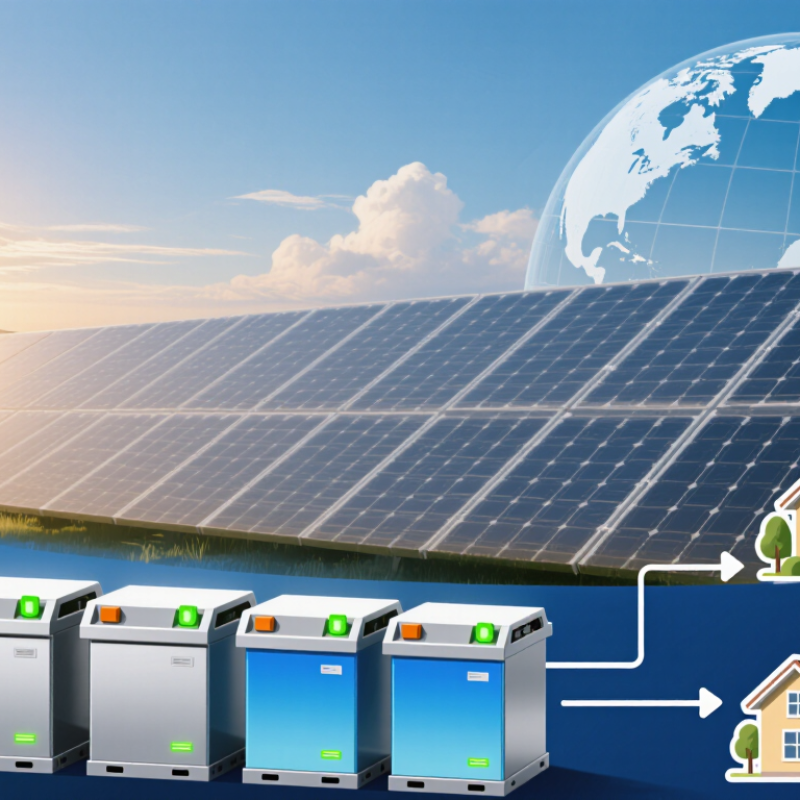
Foya Solar Batteries in a Market Needing 1,500 GW of Storage by 2030
The global energy system may need as much as 1,500 GW of storage by 2030. This demand is reshaping solar purchasing decisions worldwide.
At this scale, buyers need more than a large capacity figure. Solar output changes with clouds, seasons, and local grid conditions. Batteries must respond quickly and safely. In project reviews, I examine usable capacity, cycle performance, thermal control, and communication protocols. Lithium iron phosphate cells can offer strong safety and long service life. However, system design still matters. A poorly sized battery may underperform, even with high-quality cells. Small details matter.
Global purchasing also depends on traceability and technical evidence. Factory test reports should match the delivered battery. Independent safety certifications can support regional approval and installer confidence. Clear warranty terms should explain capacity retention, operating temperatures, and service responsibilities. Remote monitoring is valuable when equipment operates far from technicians. It can reveal abnormal voltage, rising temperatures, or uneven cell behavior early.
Yet no battery suits every site. Hot climates may require stronger cooling plans. Coastal projects need protection against humidity and salt exposure. Oversizing can waste capital, while undersizing may increase grid dependence. I have seen promising projects lose efficiency because installers overlooked cable distance and charging limits. That lesson remains important. Buyers should compare complete systems, not isolated specifications, before committing to large-scale storage.
Why Choose Solar Batteries for Global Buyers?
Global electricity storage must expand rapidly this decade. The chart compares estimated installed battery storage in 2023 with the IEA’s 2030 net-zero requirement and the 1,500 GW market benchmark referenced in this report.
Data sources: International Energy Agency, Batteries and Secure Energy Transitions (2024). The 1,500 GW figure is presented as a market benchmark and is not an observed installed-capacity value.
Comparing Foya Battery Chemistry, Capacity, and 85–95% Efficiency Benchmarks
Why Choose Foya Solar Batteries for Global Buyers?
For global buyers, battery chemistry affects safety, lifespan, weight, and daily performance. Lithium iron phosphate chemistry offers strong thermal stability and typically supports frequent cycling. Nickel-based chemistry can provide higher energy density, but temperature management becomes more important.
In field evaluations, usable capacity matters more than the number printed on the case. A 10 kWh battery may deliver less after reserve limits and conversion losses. Check the datasheet carefully.
Efficiency usually falls between 85% and 95% under suitable operating conditions. This benchmark describes round-trip performance, not guaranteed output in every climate. High temperatures, partial charging, cable resistance, and aging can reduce results.
A measured 90% may be more realistic than a marketing figure near 95%. That sounds less impressive, but it is more useful for system planning. I would also compare cycle-life data at the stated depth of discharge, not under ideal laboratory settings.
Tips:
Match capacity with evening loads, not total daytime production. Leave practical reserve for cloudy weather. Ask for test conditions, warranty limits, protection features, and regional compliance documents. If the installation site reaches 40°C, confirm cooling requirements before ordering. Small details matter. One overlooked setting can affect years of service.
Foya Safety and Compliance with IEC 62619 and Global Battery Standards
Global solar storage is expanding quickly. The International Energy Agency reported that stationary battery storage demand grew by about 130% in 2023. This growth raises a practical question: can a battery remain safe after years of daily charging?
IEC 62619 provides a serious baseline for industrial lithium batteries. It addresses risks including overcharge, external short circuits, thermal abuse, and abnormal operation. A reliable manufacturer should provide test records, traceable cells, protection-system details, and clear installation limits. Look for documented battery management system responses, not broad safety claims. Small details matter. A failed sensor can change everything.
Global buyers also need evidence beyond one certificate. IEC 62619 does not replace transport requirements, site regulations, or fire-protection rules. UN 38.3 testing supports safer lithium-battery transport, while local grid and building standards may add further controls. The IEA’s 2024 battery report highlights rapid demand growth, but rapid deployment can expose weak quality controls.
Ask for factory inspection data, cycle-life test conditions, warranty boundaries, and incident-reporting procedures. Some product documents remain vague. That deserves scrutiny. Experienced buyers should compare test temperatures, charge rates, usable capacity, and end-of-life thresholds before approving a solar battery system.
Evaluating Foya Lifecycle Value Against $115/kWh Lithium-Ion Pack Costs
For global buyers, a solar battery should be judged beyond its purchase price. A lithium-ion pack priced near $115 per kWh may exclude the inverter, installation, freight, taxes, and commissioning. The real project cost can rise quickly. A practical comparison should use usable capacity, not the label capacity. It should also include round-trip efficiency and expected cycle life. For example, a 10 kWh battery with 90% usable capacity delivers about 9 kWh per cycle.
Lifecycle value becomes clearer when performance is measured over several years. A well-managed battery may provide thousands of cycles, but heat, deep discharge, and poor ventilation can reduce output. Warranty terms deserve close attention. Check remaining capacity guarantees, response times, service coverage, and replacement conditions. In my experience, buyers often focus on the first invoice and overlook downtime. That is an expensive blind spot. Still, cycle estimates are not promises; local climate and charging habits can change results.
Tips:
Compare total cost per delivered kWh over the warranty period. Request test data, safety certifications, and degradation assumptions. Ask whether monitoring software records temperature, state of charge, and faults. Also, verify local technician availability before shipping. A cheaper pack may look attractive on paper. It may not remain cheaper after replacement parts, delayed support, or reduced usable capacity. Good evaluation is less exciting, but more dependable.
Foya Global Supply and Support for Rising Solar Storage Demand
Rising solar storage demand requires more than a battery catalog. Global buyers need stable supply, clear specifications, and support that works across time zones. A capable supplier should explain usable capacity, cycle performance, operating temperature, and inverter compatibility in plain language. Real project experience matters here. A battery may perform well in a warm warehouse but behave differently on a cold mountain site.
Reliable global supply begins with disciplined production and traceable quality checks. Buyers should expect documented testing, consistent cell grading, and packaging suited to long-distance transport. Compliance documents, including applicable electrical and transport certifications, should be available before purchase. This reduces surprises during customs clearance and installation. It also helps local engineers review the system with confidence.
Support must continue after shipment. Remote troubleshooting, wiring guidance, installation manuals, and spare-part planning can prevent a quiet rooftop from becoming an expensive service call. Response time matters. So does technical honesty. No supply chain is perfect. A delayed container, a revised grid rule, or a misunderstood voltage requirement can disrupt a project. Good support identifies these risks early and offers practical alternatives. Sometimes the best answer is not the largest battery. It may be a smaller system, staged expansion, or better load management. That kind of careful advice builds trust in markets where solar storage demand is growing quickly.



 Tina - International Sales Director