


 Tina - International Sales Director





The Key Role of LiFePO4 Batteries in Modern Cleaning Machines
August 22, 2024 — As industries around the world continue to prioritize sustainability and operational efficiency, Lifepo4 (lithium iron phosphate) batteries have become a key component in the development of cleaning machines. This shift highlights the importance of adopting advanced battery technologies to meet environmental and performance standards in modern cleaning operations.
Why lithium iron phosphate is important
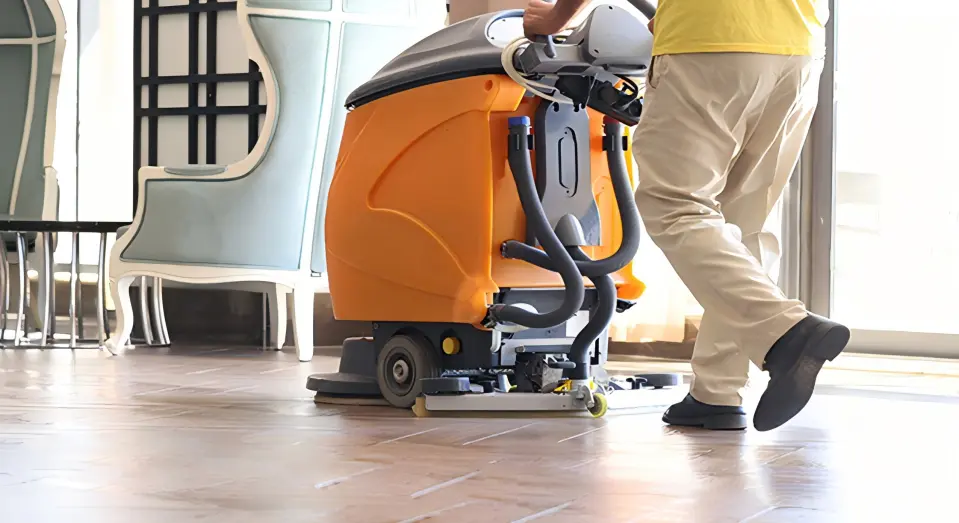
LiFePO4 batteries are revolutionizing cleaning machines by solving several pressing challenges faced by traditional battery technology. Their unique properties make them ideally suited to the stringent requirements of cleaning equipment, providing benefits beyond mere functionality.

1. Extend service life and reduce costs
LiFePO4 batteries are known for their long cycle life, typically exceeding 2,000 charge and discharge cycles. This longevity can result in significant cost savings for businesses as it reduces battery replacement frequency and lowers maintenance expenses. For industries that rely heavily on cleaning machines, such as medical facilities and large manufacturing plants, extended service life can bring significant financial benefits and operational efficiencies.
2. Superior security and reliability
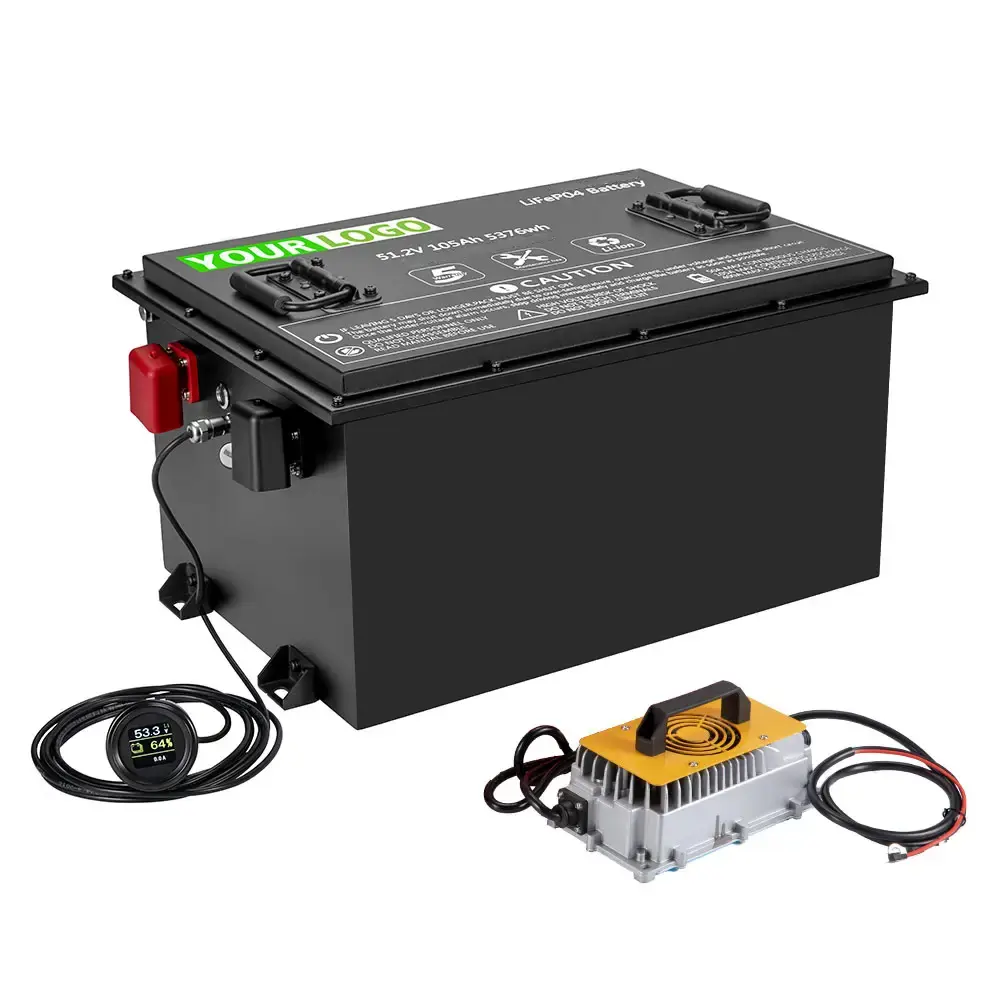
Safety is the most important issue in cleaning machine operation, especially in environments where downtime can cause significant disruption. Compared to other lithium-ion batteries, LiFePO4 batteries have excellent thermal stability and are less prone to overheating and thermal runaway. This enhanced safety minimizes the risk of accidents and ensures more reliable operation, which is critical to maintaining consistent cleaning performance in high-demand environments.
3. Environmental benefits and sustainability
In an era when sustainability is a key concern, lithium iron phosphate batteries stand out for their environmentally friendly properties. They do not contain toxic heavy metals such as cobalt and lead, which are also found in some other battery technologies. The extended life of LiFePO4 batteries also helps reduce waste and lower overall environmental impact. By adopting lithium iron phosphate technology, companies can not only improve operational efficiency but also align with global sustainability initiatives and reduce their ecological footprint.
4.improve performance and efficiency.

The high energy density of LiFePO4 cells allows for more compact and lighter battery packs without compromising power. This enables the design of more efficient and easier-to-operate cleaning machines, thereby increasing productivity and ease of use. For industries that require frequent and intensive cleaning, such as hospitality and healthcare, this improved performance is critical to maintaining high standards of cleanliness and operational efficiency.
5. Promote technological innovation

Integrating lithium iron phosphate batteries into cleaning machines is also driving broader technological innovation. Manufacturers are leveraging the benefits of lithium iron phosphate to develop advanced cleaning equipment that meets modern demands for performance, safety, and sustainability. This trend not only benefits individual businesses, but also promotes overall progress in clean technology.
Looking Forward
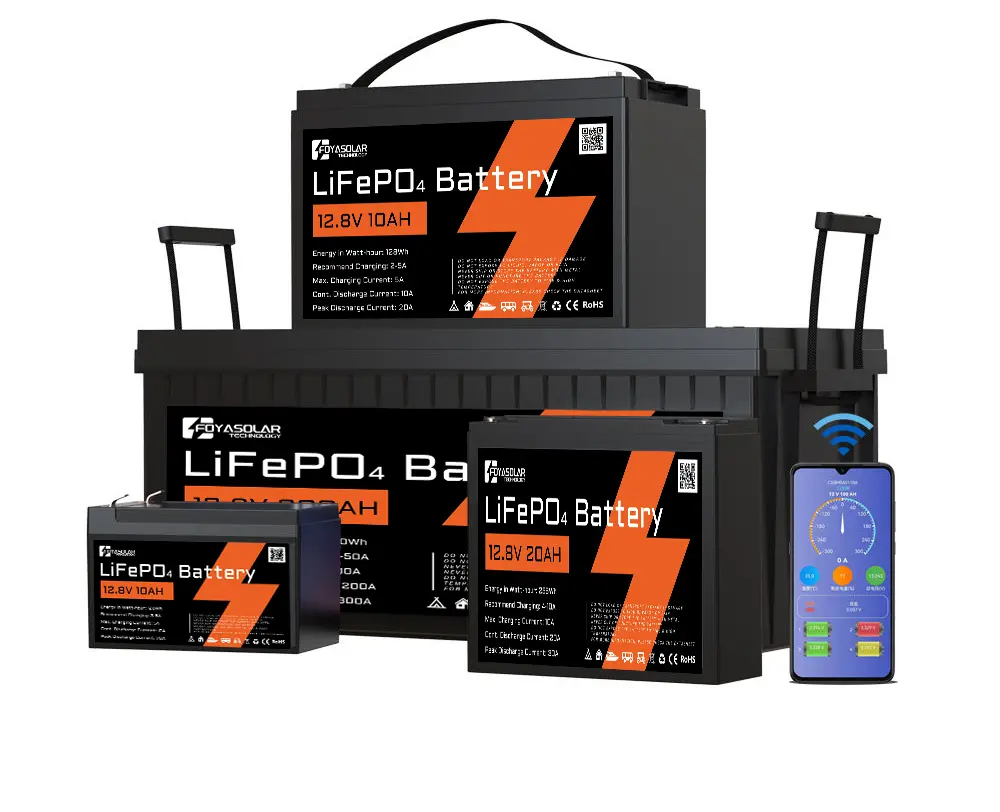
The use of lithium iron phosphate batteries in cleaning machines represents an important step forward in the search for more efficient, safe and sustainable cleaning solutions. As industries continue to adopt these advanced batteries, the benefits of lithium iron phosphate technology will become increasingly apparent, driving further innovation and improvements in cleaning operations.