2026 Top Foyasolar Battery Types for Global Buyers?
Choosing the right home or commercial battery requires more than comparing price tags. In 2026, global buyers may consider lithium iron phosphate, high-voltage lithium-ion, modular storage, and integrated solar battery systems. Each type serves a different purpose. A compact apartment system needs different protection from a warehouse installation in a hot climate.
This guide examines the leading Foyasolar Batery options through practical buying criteria. We will consider usable capacity, round-trip efficiency, charging speed, thermal management, cycle life, and installation flexibility. Certification matters too. Buyers should verify regional safety approvals, warranty terms, inverter compatibility, and qualified installer support before placing an order. A battery can look impressive on paper.
Real-world performance depends on temperature, daily discharge depth, grid quality, and maintenance habits. For example, a family using evening power may value predictable cycling more than maximum output. A remote business may prioritize backup duration and easy monitoring. Foyasolar Batery products should therefore be judged against actual energy patterns, not marketing claims alone.
The discussion also recognizes an uncomfortable point: published specifications do not always reveal long-term ownership costs. Replacement parts, software access, transport, and recycling responsibilities can change the final value. Buyers should request clear technical documents and independent test evidence where available. This article offers a structured comparison, but local electrical rules and professional advice remain essential. Small details matter. The best battery is not automatically the largest or cheapest.
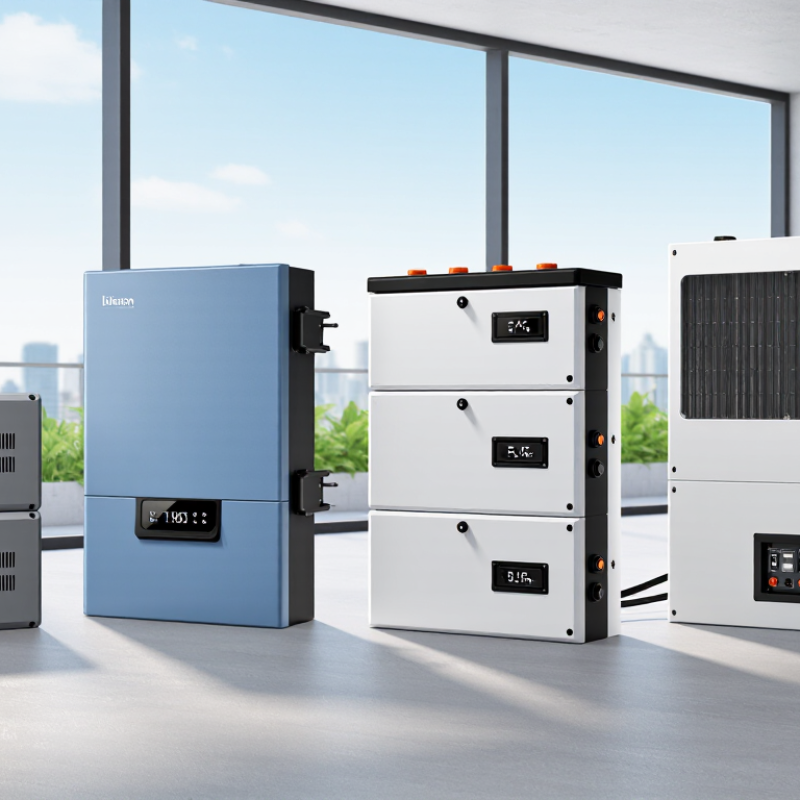
What Are Foyasolar Batteries and How Do They Work?
What Are Solar Batteries and How Do They Work?
A solar battery stores electricity produced by photovoltaic panels for later use. During bright hours, a charge controller directs surplus power into battery cells. An inverter then converts stored direct current into usable household alternating current. At night, the system releases energy for lights, refrigeration, or essential equipment. Simple, but not effortless.
Most current systems use lithium-ion chemistry, especially lithium iron phosphate and nickel-manganese-cobalt cells. Lithium iron phosphate generally offers strong thermal stability and longer cycle life. Nickel-manganese-cobalt designs can provide higher energy density, but temperature management becomes more demanding. Lead-acid batteries remain affordable in some markets, although they usually require more space and tolerate fewer deep cycles. The right type depends on climate, load profile, backup duration, and maintenance access.
Industry data shows why buyers are comparing carefully. The International Energy Agency reported that global battery storage additions more than doubled in 2023, reaching about 42 gigawatts. BloombergNEF reported average lithium-ion pack prices of 115 dollars per kilowatt-hour in 2024, a major decline from earlier years. These figures do not predict every installed-system price. Local labor, safety equipment, financing, and grid rules can change the final cost sharply. A practical assessment should measure evening consumption, not only panel capacity. Bigger is not always better. I would also question optimistic cycle-life claims, because heat, partial charging, and poor installation can reduce real-world performance.
2026 Top Foyasolar Battery Types for Global Buyers? - What Are Foyasolar Batteries and How Do They Work?
Comparison of common battery technologies used in solar photovoltaic energy-storage systems
| Battery Type |
How It Works |
Typical Nominal Voltage |
Typical Cycle Life |
Round-Trip Efficiency |
Usable Depth of Discharge |
Main Advantages |
Typical Solar Applications |
| Flooded Lead-Acid |
Lead plates and sulfuric-acid electrolyte store electricity through reversible electrochemical reactions. |
2 V per cell
12 V per battery |
300–800 |
70–85% |
50% |
Low initial cost, mature technology, widely recyclable. |
Budget-conscious off-grid systems, backup power, and low-cycle applications. |
| AGM Lead-Acid |
A glass-mat separator immobilizes the electrolyte, making the battery sealed and maintenance-reduced. |
12 V per battery |
500–1,000 |
75–85% |
50–60% |
Sealed construction, good surge performance, and reduced electrolyte leakage risk. |
Residential backup systems, telecommunications, and small solar installations. |
| Lithium Nickel Manganese Cobalt Oxide (NMC) |
Lithium ions move between a layered cathode and graphite anode during charging and discharging. |
3.6–3.7 V per cell |
1,000–2,000 |
90–95% |
80–90% |
High energy density, compact size, and strong power capability. |
Space-constrained residential storage, hybrid systems, and mobile solar equipment. |
| Lithium Iron Phosphate (LFP) |
Lithium ions shuttle between an iron-phosphate cathode and anode through an electrolyte. |
3.2–3.3 V per cell |
3,000–7,000 |
92–98% |
80–95% |
Long service life, strong thermal stability, high efficiency, and low maintenance. |
Residential energy storage, commercial systems, microgrids, and off-grid solar. |
| Sodium-Ion |
Sodium ions move between the cathode and anode instead of lithium ions during charge and discharge. |
2.8–3.3 V per cell |
2,000–5,000 |
85–95% |
80–90% |
Uses more abundant sodium materials and can offer good low-temperature performance. |
Stationary solar storage where moderate energy density and cost control are priorities. |
| Vanadium Redox Flow |
Energy is stored in liquid electrolytes held in external tanks and circulated through an electrochemical stack. |
System-dependent |
10,000–20,000+ |
65–85% |
100% |
Very high cycle durability, low fire risk, and independent power and energy sizing. |
Large-scale solar farms, commercial microgrids, and long-duration storage. |
Buyer Guidance: Actual performance depends on cell quality, battery-management settings, temperature, charge and discharge rates, installation conditions, and the manufacturer’s warranty. Cycle-life figures are typical industry ranges measured under specified laboratory conditions and should not be treated as universal guarantees.
Best Overall for Solar Storage
LFP is commonly selected for its balance of safety, efficiency, service life, and total cost of ownership.
Best for Low Initial Cost
Lead-acid technologies can be suitable for infrequent backup use when space and maintenance are acceptable.
Best for Long-Duration Projects
Flow batteries are designed for frequent cycling and larger stationary installations with available space.
Which Foyasolar Battery Types Are Available in 2026?
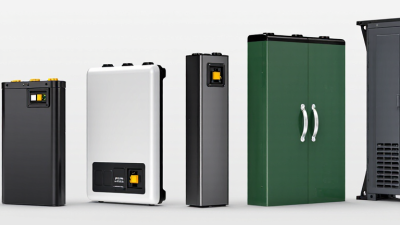
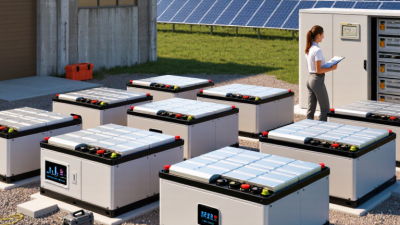
In 2026, global buyers can usually choose among several residential and commercial battery types. Lithium iron phosphate batteries remain a strong option for daily solar storage. They offer good cycle life, stable thermal performance, and predictable maintenance needs. Many systems use modular LFP packs, allowing capacity to grow from a small home setup to a larger installation.
High-voltage lithium batteries are also widely available. They can reduce current losses and support larger inverters, but installation requires compatible equipment and trained technicians.
Some buyers may find lithium nickel manganese cobalt batteries attractive because of their high energy density. However, thermal management, warranty terms, and fire safety documentation deserve careful review. More capacity is not automatically better.
Lead-acid batteries still appear in budget-focused or backup applications. They cost less initially, yet they are heavier and usually need more frequent replacement. Sodium-ion batteries are entering selected markets in 2026. They may perform well in colder conditions and reduce dependence on certain minerals, but their supply, energy density, and long-term service records vary. This choice is still developing.
Check the usable capacity, not only the advertised capacity. Ask about round-trip efficiency, operating temperature, protection systems, and recycling arrangements. Regional certification also matters. A battery suitable for a warm coastal home may need different settings in a cold inland workshop. I would not choose from chemistry alone. Installer quality can change the real result. Mistakes happen. Reliable buyers compare the datasheet, warranty, monitoring software, and local support before paying.
How Do Foyasolar Battery Chemistries Compare?
Battery chemistry determines more than capacity. It affects safety, lifespan, weight, charging speed, and cost. In field installations, these differences appear quickly. A cabinet in a shaded garage may perform differently from one on a hot rooftop. Lithium iron phosphate, or LFP, is widely selected for home storage. It offers strong thermal stability and often supports many daily cycles. Its usable capacity remains predictable when properly managed. LFP is not perfect. Cold charging can require protection, and its energy density is lower than some alternatives.
Nickel manganese cobalt, or NMC, stores more energy in a smaller and lighter package. That advantage matters in apartments, mobile systems, and space-limited rooms. However, NMC generally demands stricter thermal controls and careful battery management. Higher energy density does not automatically mean better value. Real savings depend on cycle frequency, installation quality, and replacement planning. A professional assessment should examine load curves, ambient temperature, ventilation, and backup duration. A datasheet alone cannot show the whole operating picture.
Lead-acid batteries remain familiar and initially affordable. They are heavier, need more maintenance, and usually tolerate fewer deep cycles. They may suit occasional backup, but frequent daily use can expose weaker economics. Sodium-ion options are gaining attention for cold-weather and supply-chain flexibility. Their market data is still developing, so long-term field evidence deserves scrutiny. I would request independent test results, warranty conditions, and usable—not merely rated—capacity. Small omissions here can become expensive surprises.
2026 Top Battery Chemistries for Global Buyers
Typical full-equivalent cycle life comparison for commonly used rechargeable battery chemistries. Actual performance varies with depth of discharge, temperature, charging speed, operating conditions, and cell design.
Representative midpoint values: lead-acid 500 cycles, NMC 1,500 cycles, LMFP 3,000 cycles, sodium-ion 3,000 cycles, and LFP 4,000 cycles. These values reflect commonly reported industry ranges rather than a single product specification.
How Should Global Buyers Evaluate Foyasolar Battery Specifications?
How Should Global Buyers Evaluate Solar Battery Specifications?
Global buyers should compare usable energy, not only the advertised capacity. A 10 kWh battery may deliver less after depth-of-discharge limits and reserve settings. The International Energy Agency’s Batteries and Secure Energy Transitions report says global energy storage capacity must increase sixfold by 2030. That pressure makes transparent specifications essential.
Check round-trip efficiency, cycle life, operating temperature, and warranty conditions.
The National Renewable Energy Laboratory reports that lithium-ion systems commonly achieve roughly 85–95% round-trip efficiency, depending on system design. Ask whether cycle claims use 80% or 100% depth of discharge. The difference is significant. Also verify charge and discharge power separately. A large capacity does not guarantee strong evening output.
Safety evidence deserves equal attention.
Look for independent testing, thermal protection, transport documentation, and installation requirements. BloombergNEF reported a 20% fall in average lithium-ion battery pack prices in 2024, reaching about $115 per kWh. Lower prices can help, but they may hide weaker warranties or limited service coverage. I have seen buyers compare only price and capacity. That approach fails in hot climates, where ventilation and temperature limits affect performance. Product sheets can also contain optimistic cycle figures. Request test conditions, degradation curves, replacement terms, and measured usable capacity. Local grid rules and inverter compatibility should be checked before payment.
Which Foyasolar Battery Fits Different Global Applications?
Choosing the right battery depends on the application, climate, load profile, and maintenance capacity. Lithium iron phosphate batteries suit homes, small businesses, and solar-plus-storage systems needing frequent daily cycling. They offer stable performance, useful depth of discharge, and compact installation. Lead-acid batteries may still fit remote projects with limited budgets and simple energy demands. However, they require ventilation, regular inspection, and careful charging control.
Commercial buildings often need modular lithium systems with battery management software, scalable capacity, and dependable peak-shaving performance. Telecom sites and rural clinics may require batteries that tolerate long standby periods and irregular charging. In hot regions, temperature monitoring becomes essential. In cold areas, charging protection matters more. A larger battery is not always better. Oversizing can increase cost and leave capacity underused.
Tips: Match usable capacity with real daily consumption, not the inverter’s maximum rating. Check cycle-life testing, warranty conditions, protection features, and local installer support. Ask whether the system supports remote monitoring and replacement modules. Site measurements are valuable. Small design mistakes can become expensive later. Also verify enclosure protection, ventilation needs, and compatibility with local electrical requirements before purchase.



 Tina - International Sales Director