How to Choose the Best 12v 7ah Lithium Battery for Your Needs?
Choosing the right 12v 7ah Lithium Battery is crucial for many applications, from portable devices to solar setups. According to industry expert Laura Chen, "The right battery can significantly impact performance and longevity." This insight highlights the importance of understanding your specific needs.
When selecting a 12v 7ah Lithium Battery, consider the battery's discharge rate, cycle life, and weight. These factors affect not only efficiency but also overall usability. For instance, a lighter battery can enhance portability, which is vital for outdoor projects. However, finding the perfect balance can be challenging.
It's also essential to research manufacturers and their reputations. Some brands may promise impressive specifications but fall short in real-world performance. Understanding these nuances is vital to making an informed decision. Ultimately, a thorough evaluation ensures you choose a 12v 7ah Lithium Battery that meets your expectations and enhances your project's success.
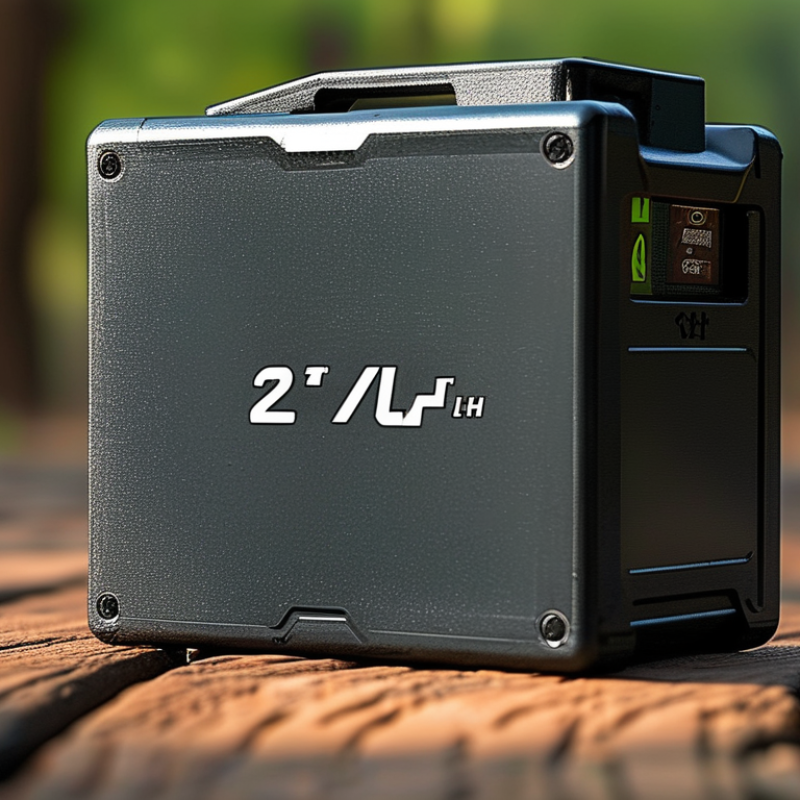
Understanding the Basics of 12V 7Ah Lithium Batteries and Their Applications
12V 7Ah lithium batteries are essential for various applications. They power tools, medical devices, and even electric bikes. Their lightweight design and high energy density make them popular. A study by the Battery University highlights that lithium batteries can provide over over 500 charge cycles. This is significantly higher than traditional lead-acid batteries, which often only last for about 200 cycles.
Understanding their applications is crucial. In renewable energy systems, these batteries store excess energy from solar panels. This allows for energy use during cloudy days or at night. Moreover, they are frequently used in UPS systems, ensuring devices continue running during power outages. However, users should be aware that not all batteries are equal. Performance can vary based on the manufacturer and specific usage scenarios.
Many users overlook how environments affect battery performance. High temperatures can lead to faster degradation. In colder settings, capacity may decrease. Therefore, it's important to consider the operating conditions before purchasing. Research suggests testing batteries under expected environmental conditions can lead to better overall performance in real-life applications.
Key Factors to Consider When Selecting a Lithium Battery for Your Needs
When selecting a 12V 7Ah lithium battery, there are several key factors to consider. One important aspect is the battery's cycle life. High-quality lithium batteries can typically offer over 2000 charge cycles. In contrast, cheaper options may only provide around 500 cycles. This affects overall longevity and reliability.
Another factor is the battery's discharge rate. For instance, a battery that delivers a continuous current of 10A can power devices more effectively than one rated for only 5A. This is crucial for applications that demand high power, such as electric bikes or solar energy systems. Efficiency in energy use can lead to cost savings over time.
Weight and size also play significant roles in battery selection. A lighter battery is easier to transport and install. However, it's essential to balance portability with power needs. Some users overlook this and end up with batteries that don't fit their equipment. This can lead to wasted resources and time. Always assess your specific requirements before making a choice.
Comparing Lifespan and Cycle Performance of Lithium vs. Lead-Acid Batteries
When evaluating battery options, lifespan is crucial.
Lithium batteries typically outlast lead-acid batteries by significant margins.
A lithium battery may last over 2,000 cycles, while lead-acid ones often fall short at around 500 cycles.
This longevity means you can reduce costs over time.
However, the initial investment for lithium batteries can be higher, prompting a need for careful consideration.
Cycle performance is another key aspect.
Lithium batteries charge faster and retain their capacity better than lead-acid batteries.
A lithium 12v 7ah battery can reach full charge in a few hours. Conversely, lead-acid batteries may require longer.
This can affect your usability. If your application demands quick turnaround, lithium is likely the better choice.
Yet, not all scenarios favor lithium. If weight and portability are not a concern,
lead-acid could be a cost-effective option.
Some users may prioritize upfront savings over long-term gains.
Sometimes, the decision may boil down to specific needs or preferences.
Carefully weighing the benefits and drawbacks of each type can lead to a more informed choice.
Assessing Compatibility with Devices: Voltage, Capacity, and Power Demand
When choosing a 12v 7ah lithium battery, assessing compatibility is crucial.
Voltage must match your device requirements. A mismatch can lead to device failure or poor performance.
Ensure that the battery provides a stable voltage output. This prevents unexpected shutdowns and extends device life.
Capacity is another key factor. The 7ah rating indicates how much energy the battery can store.
If your device demands more power, it can drain the battery quickly. Understand your device’s power demand.
Calculate the expected runtime based on usage patterns. Too small a capacity can lead to frequent recharging.
Consider power demand alongside voltage and capacity. Some devices have higher surge currents.
This can be an issue if the battery cannot deliver the necessary current instantly.
In some cases, users underestimate their needs. This may result in inadequate performance or damage.
Balancing these factors ensures a reliable power source for your applications.
Evaluating Safety Features and Certifications of 12V 7Ah Lithium Batteries
When selecting a 12V 7Ah lithium battery, safety features and certifications should be your top priorities. Look for batteries that come with robust safety standards. UL certification is a reputable mark. It indicates that the battery has undergone rigorous testing for safety. This can reduce risks of overheating or short-circuiting.
Consider built-in protections, such as overcharge, over-discharge, and short-circuit protection. These mechanisms help ensure that your battery operates safely in various conditions. A battery lacking these features may pose significant risks. It is critical to understand the implications of inadequate safety measures. Even minor issues can lead to equipment failure or potential safety hazards.
Check for user reviews and real-life experiences. While specifications provide insight, they do not tell the complete story. Feedback from other users can highlight unanticipated problems. Such insights can guide your decision-making. Choose a battery that balances performance and safety. This may save you from future headaches and ensure reliable operation.








 Tina - International Sales Director