How to Choose the Best 25.6v Lifepo4 Battery for Your Needs?
Choosing the right power source is essential for various applications today. The 25.6v Lifepo4 Battery stands out for its efficiency and reliability. Mark Thompson, an industry expert, states, “A well-selected 25.6v Lifepo4 Battery can transform your energy needs.” His insight reflects the importance of making informed choices.
When considering a 25.6v Lifepo4 Battery, evaluate your specific requirements. Factors such as capacity, discharge rate, and cycle life are crucial. Misjudging these details may lead to poor performance or short lifespan. It’s important to research different brands and compare their specifications. Reading user reviews offers a glimpse into real-world performance.
Moreover, it’s essential to consider your budget and application type. A higher cost does not always guarantee superior quality. Some affordable options may serve your needs effectively while providing reliability. Always approach battery selection with a thoughtful mindset, recognizing that a small mistake could lead to significant consequences.
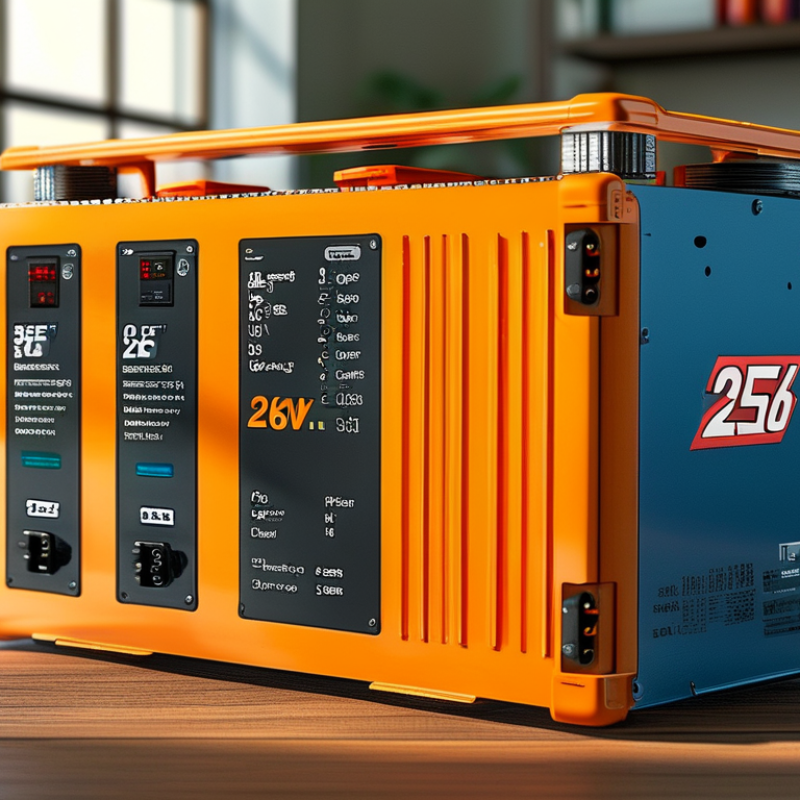
Understanding the Basics of 25.6V LiFePO4 Batteries
Understanding the basics of 25.6V LiFePO4 batteries is crucial for making informed choices. These batteries are designed for a variety of applications, including solar energy storage and electric vehicles. They offer an excellent cycle life of over 2,000 to 5,000 cycles. This longevity makes them a cost-effective choice in the long run.
LiFePO4 batteries have a nominal voltage of 3.2V per cell, which means a typical setup consists of eight cells connected in series. The energy density of these batteries ranges from 90 to 160 Wh/kg, which is lower than some alternatives like lithium-ion. However, they provide more stable performance at high temperatures, a notable advantage in many scenarios. Studies indicate that LiFePO4 batteries are safer, as they are less prone to thermal runaway compared to other lithium chemistries.
It's also essential to consider environmental aspects. LiFePO4 batteries are less toxic and more environmentally friendly than other lithium batteries. However, recycling these batteries still poses challenges. These challenges can lead to increased costs in waste management and environmental impact. Hence, while they offer many advantages, potential users must reflect on the broader implications of choosing LiFePO4 technology.
Battery Capacity Comparison of 25.6V LiFePO4 Batteries
Evaluating Your Power Needs and Applications
When selecting a 25.6v Lifepo4 battery, assessing your power needs is crucial. Consider what devices you’ll power and how often. For example, powering a small solar system may require a different capacity than running an electric bike. Understanding the energy requirements of your applications ensures you choose the right battery size.
Conduct an energy audit of your devices. Calculate their combined usage in watt-hours. If you notice discrepancies, adjust your expectations. Many users underestimate their needs, leading to disappointing performance. It's vital to anticipate peak usage times and consider future expansions. An initial overestimate can help avoid issues down the line.
Take note of the charging cycles each battery type offers. Some batteries may last longer than others, depending on usage. Longevity is essential for a sustainable investment. Always look for data and reviews from credible sources. Reflecting upon your specific needs can guide you toward a suitable choice. An informed decision may mean the difference between satisfaction and regret.
How to Choose the Best 25.6v Lifepo4 Battery for Your Needs?
| Battery Model |
Capacity (Ah) |
Weight (kg) |
Discharge Current (A) |
Cycle Life |
Price (USD) |
| Model A |
12 |
3.5 |
30 |
2000 |
250 |
| Model B |
25 |
7.0 |
60 |
3000 |
450 |
| Model C |
7.5 |
2.5 |
15 |
1500 |
180 |
| Model D |
20 |
6.0 |
45 |
2500 |
400 |
| Model E |
15 |
4.5 |
35 |
2200 |
300 |
Comparing Capacity, Discharge Rates, and Lifespan
When selecting a 25.6v LiFePO4 battery, it's essential to evaluate its capacity, discharge rates, and lifespan. Capacity is typically measured in amp-hours (Ah). A higher capacity indicates that the battery can store more energy. For example, a 100Ah battery can deliver 100A for one hour or 50A for two hours. A report from the Battery University states that LiFePO4 batteries have a superior energy density, providing more capacity in a smaller space compared to other lithium batteries.
Discharge rates are another pivotal factor. This rate tells you how much power can be drawn from the battery at any given moment. For instance, if a battery has a continuous discharge rate of 1C, this means it can discharge its entire capacity in one hour. Understanding this helps ensure that the battery can meet the demands of your application. It's worth noting that lower discharge rates might result in longer battery life, yet they could limit performance in high-demand scenarios.
Lastly, lifespan is crucial for cost-effectiveness. LiFePO4 batteries exhibit a lifespan of 2000 to 5000 cycles, depending on usage and charging practices. Studies reveal that consistent shallow discharges lead to longer life spans. However, improper charging can lead to reduced cycles. Knowing these components can help direct you toward a battery that not only meets your specific needs but also offers reliability and longevity.
Assessing Safety Features and Certifications
When selecting a 25.6v LiFePO4 battery, safety features are crucial. Look for batteries with built-in protection systems. These often include overcharge, over-discharge, and short circuit protection. Such systems help prevent accidents and extend battery life. Certifications from recognized organizations indicate compliance with safety standards. These assurances can enhance your confidence in the battery's reliability.
Consider thermal management features as well. A battery that operates within an ideal temperature range is less likely to malfunction. If a battery overheats, it can pose risks. Additional cooling systems are a plus. Also, devices like battery management systems (BMS) contribute significantly to safety. They monitor voltage levels and cell conditions, offering an extra layer of security.
It's important to reflect on real-life usage scenarios. Sometimes, high safety ratings don’t guarantee perfect performance in all conditions. User reviews can provide insights into how batteries perform in various environments. Listening to firsthand experiences can help you make a better choice. Each aspect of safety plays a role, but understanding how these elements interact in practice is vital for ensuring your specific needs are met.
Analyzing Cost vs. Performance Options in the Market
When selecting a 25.6v LiFePO4 battery, cost versus performance is crucial. The market offers a wide range of options, but understanding specifications is vital. A recent industry report indicated that performance varies widely. Some batteries deliver over 3,000 cycles, while others fall below 1,000 cycles. This discrepancy greatly affects longevity and overall value.
Price often reflects performance. Higher-end batteries may cost more initially, but they can save money in the long run. For example, a battery with a higher discharge rate can power devices more efficiently. On average, a battery’s cost-per-cycle ratio reveals much about its durability. Industry analysis shows that cheaper products often result in higher expenses due to frequent replacements.
Consider the intended use of the battery. If it’s for high-drain applications, investing in a robust battery makes sense. Many claim specific performance metrics, yet lab tests sometimes reveal inconsistency. It’s important to weigh the data and reviews carefully. Users should seek batteries that not only fit their budget but also assure reliable performance over time. Choosing wisely requires balancing immediate costs with future benefits.




 Tina - International Sales Director