How to Choose the Best 12.8v Lifepo4 Battery for Your Needs?
Choosing the right battery for your needs can be challenging. Among the various options available, the 12.8v Lifepo4 Battery stands out due to its reliability and performance. Understanding what makes it the ideal choice is crucial for making the best decision.
The 12.8v Lifepo4 Battery is known for its long lifespan and excellent thermal stability. However, not every battery on the market meets these standards. One must consider factors like capacity, discharge rates, and brand reputation. Research can reveal which brands consistently deliver quality.
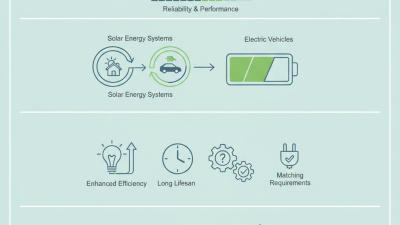
Your specific needs play a vital role in this decision. For example, consider how you will use the battery. Whether it's for solar energy storage or powering electric vehicles, the right choice can lead to successful outcomes. A careful evaluation of options can sometimes feel overwhelming, but it’s essential for ensuring you get the most out of your investment.
Understanding LiFePO4 Battery Technology and Its Advantages
Understanding LiFePO4 Battery Technology and Its Advantages
LiFePO4, or lithium iron phosphate, battery technology is gaining popularity. Its key advantages make it suitable for various applications. Safety is one of the standout features. These batteries are inherently stable, reducing the risk of thermal runaway. This stability is critical for users concerned about safety in energy storage.
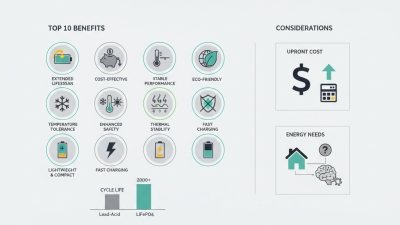
LiFePO4 batteries also have a long lifespan. They typically offer over 2,000 charge cycles. This longevity translates to cost savings over time. In addition, they maintain performance across a wide temperature range. Users in varying climates can trust their efficiency.
Tips: When choosing a LiFePO4 battery, consider your specific energy needs. Look for batteries with a higher discharge rate if you require consistent power. Also, pay attention to the warranty offered; a longer warranty often reflects manufacturer confidence. Consider your installation space, as some batteries may require ventilation.
Another advantage of LiFePO4 batteries is their lightweight nature. This feature makes them ideal for portable applications. Whether for solar systems or electric vehicles, their efficiency is notable. However, not all products are equal. Some may not perform as expected under load. Research is essential to finding the right fit for your requirements.
Key Specifications to Consider When Choosing a 12.8v LiFePO4 Battery
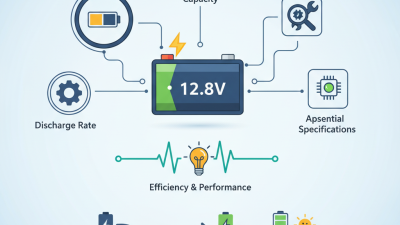
When selecting a 12.8v LiFePO4 battery, several key specifications deserve attention. Capacity is vital; it determines how much energy the battery can store. Look for values expressed in amp-hours (Ah). For example, a 100Ah rating provides enough power for various applications, but ensure it meets your specific power needs.
Next, consider the discharge rate, which impacts performance. A higher rate is crucial for devices requiring more immediate power. Check the battery's continuous and peak discharge rates to ensure optimal operation. Additionally, examine the life cycle; LiFePO4 batteries typically last for thousands of cycles. This longevity influences overall value and reliability.
Charging time is another important spec. Fast charging can be beneficial for frequent use, but slower rates may enhance battery life. Weigh the trade-offs based on your usage patterns. Also, take dimensions and weight into account. If space is limited, a compact battery might be necessary. Balancing these factors can be challenging. Make sure your choice aligns with your unique power needs and usage scenarios. Adjustments may be required as you learn from your experiences.
Evaluating Battery Capacity and Cycle Life for Your Application
When selecting a 12.8v LiFePO4 battery, capacity and cycle life are critical factors. Battery capacity is measured in amp-hours (Ah). For instance, a 100Ah battery can deliver 100 amps for one hour. Understanding your energy needs helps choose the right capacity. If your application requires high energy for extended periods, opt for batteries that can handle significant loads without significant loss.
Cycle life refers to the number of complete charge and discharge cycles a battery can undergo before its capacity drops below 80%. Reports indicate LiFePO4 batteries typically offer a cycle life of 2000 to 5000 cycles. This makes them a reliable choice for applications needing longevity and efficiency. However, not all applications benefit equally. Some systems, like solar energy storage, demand consistent performance over time, while others may see rapid degradation depending on use.
Consider your specific application when evaluating these metrics. For example, running power tools may exhaust the battery quicker than intended, leading to fewer cycles. Regular monitoring and maintenance, like checking for temperature and over-discharging, can extend overall battery life. Ultimately, having clarity about your needs and how they align with battery specifications is essential. It's not just about initial specs but about sustained performance and reliability over time.
Battery Capacity and Cycle Life Comparison for 12.8V LiFePO4 Batteries
Comparing Brands: Reliability and Warranty of LiFePO4 Batteries
When selecting a 12.8v LiFePO4 battery, it's essential to compare brands carefully. Reliability is key. Look for manufacturers with a proven track record in the industry. Check reviews and testimonials from current users. These insights can reveal how well batteries perform under different conditions. A battery that works great for one user might not suit another's needs.
Warranty is another critical factor. A longer warranty often indicates confidence in the product’s durability. It’s also a safety net for users. Some brands might offer limited coverage, which could leave you vulnerable if issues arise. Consider if the warranty covers defects, performance, and lifespan.
Tips: Before making a decision, ask about battery certifications. Ensure they meet safety and efficiency standards. It's wise to consult forums or communities where users share their experiences. Gathering diverse opinions can help you avoid unworthy purchases. Remember, the best choice aligns with your specific requirements. Don’t rush; take your time to evaluate.
Safety Features and Maintenance Tips for 12.8v LiFePO4 Batteries
When selecting a 12.8v LiFePO4 battery, it's crucial to understand safety features. These batteries are known for their thermal stability and long cycle life. Research indicates that LiFePO4 batteries can withstand higher temperatures and do not catch fire as easily as other lithium-ion batteries. In fact, a study from the Institute of Electrical and Electronics Engineers (IEEE) highlighted that thermal runaway incidents are significantly lower in LiFePO4 systems, providing a compelling safety edge.
Regular maintenance is key to maximizing battery life. Monitoring the battery voltage and temperature is essential. Keeping the battery within the recommended operating range can prevent damage. Reports suggest that, under proper care, these batteries can last over 2000 cycles. However, neglecting maintenance can lead to performance degradation. Many users report issues stemming from improper storage or exposure to extreme conditions. Regular checks and balanced charging practices are crucial.
Additionally, ensure you are using a compatible Battery Management System (BMS). A good BMS protects against overcharging and short circuits. According to the Battery University, poor BMS can lead to substantial capacity loss. Evaluating the safety features, including fuses and cut-off switches, can prevent accidents. Investing time in understanding these factors can enhance both safety and reliability.




 Tina - International Sales Director