What is the Future of Foya Solar Battery in 2026?
The future of the Foya Solar Battery industry appears promising as we approach 2026. According to a recent market research report by Clean Energy Insights, the global solar battery storage market is expected to grow to $22 billion by 2026. This surge is driven by increasing demand for renewable energy solutions. Industry expert Dr. Emily Carter states, “Foya Solar Battery is set to play a crucial role in this transformation towards sustainable energy.”
As energy storage technology advances, Foya Solar Battery aims to provide reliable solutions. Their products now boast improved efficiency and longer lifespan, attracting both residential and commercial sectors. Current trends indicate a significant reliance on solar batteries for achieving energy independence. Despite these promising advancements, challenges such as market competition and technological evolution persist. Companies must adapt quickly to keep pace.
Moreover, environmental policies worldwide are leaning towards sustainability, giving Foya Solar Battery an edge. However, the market will need to address concerns over raw material sourcing. Proper management of supply chains will be essential to ensure reliability. Balancing growth with ethical practices remains a key challenge. A focus on innovation while addressing these complexities will determine the Foya Solar Battery's future trajectory.

Overview of Foya Solar Battery Technology and Current Market Position
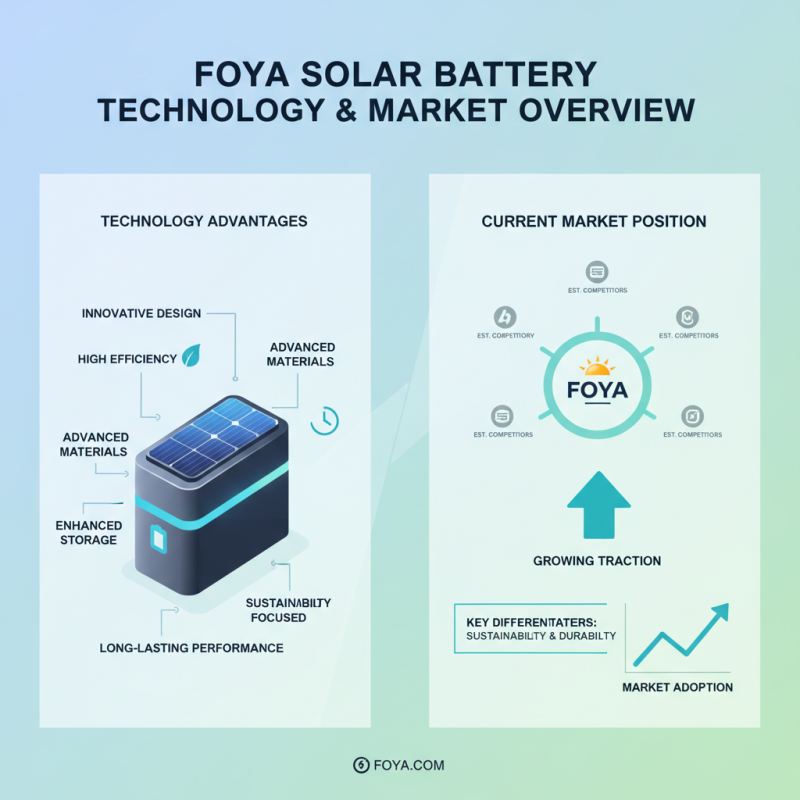
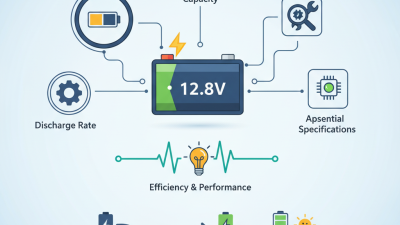
Foya Solar Battery technology has gained traction in recent years. This is due to its innovative design and efficiency. The battery utilizes advanced materials to enhance energy storage capabilities. In the current market, it faces strong competition from established players. However, Foya's focus on sustainability and long-lasting performance is noteworthy.
The overall energy landscape is shifting towards renewable sources. Solar batteries are pivotal in this transition. Foya’s current position demonstrates potential but also reveals weaknesses. Market penetration remains a challenge. Their technology must continuously adapt to emerging trends. Consumer awareness and preferences are critical factors that could influence growth.
As we approach 2026, the demand for solar energy storage is expected to grow. Companies like Foya must innovate. Addressing user concerns about reliability and cost cannot be overlooked. The future may hold great promise, but uncertainties linger. Continuous improvement and market adaptability will be necessary for success.
Predicted Technological Advancements for Foya Solar Batteries by 2026
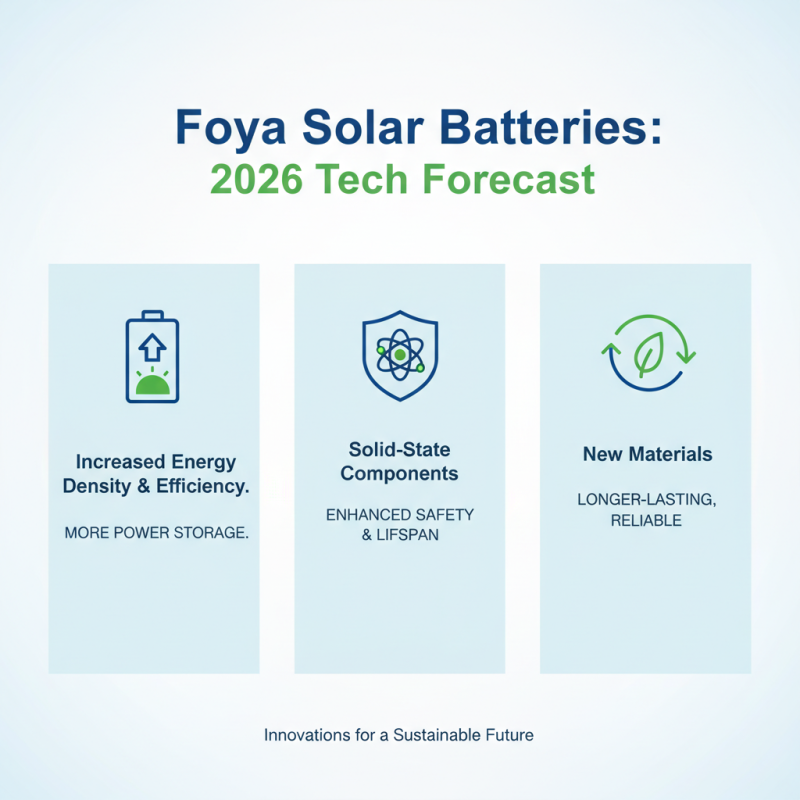
The future of solar battery technology, specifically regarding advancements by 2026, appears promising. Research predicts a significant increase in energy density and efficiency. This means that Foya solar batteries could store more energy and deliver it more effectively. Innovations in materials, such as the use of solid-state components, may replace traditional lithium-ion systems. This shift should enhance safety and longevity.
Some experts suggest that by 2026, charging times could drop considerably. Imagine fully charging a solar battery in just 30 minutes. This capability would transform not only residential usage but also community power systems. However, challenges remain. Developing these advanced technologies is complex and costly. Sustainability in materials is a key issue that needs addressing.
The integration of artificial intelligence may also optimize energy management. Smart systems could predict energy needs and adjust usage accordingly. Yet, the impact of such technologies on existing infrastructure is still uncertain. As innovation accelerates, the balance between advancement and feasibility is critical. Taking these factors into account will shape the future of Foya solar batteries.
Potential Market Trends and Consumer Adoption of Foya Solar Batteries
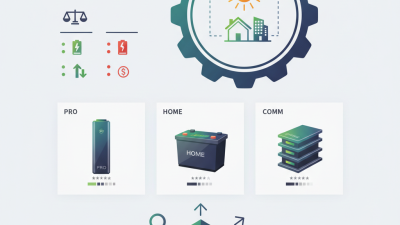
In 2026, the market for solar batteries, particularly those like Foya, is expected to evolve significantly. Experts predict a rise in consumer adoption due to growing awareness of renewable energy. The shift toward sustainable living drives more households to seek reliable energy storage solutions. This trend is amplified by government incentives that promote green technologies.
Market trends indicate that battery prices will decrease as technology improves. Consumers may become more optimistic about investing in solar energy systems. However, challenges persist. Some consumers may still have concerns about battery lifespan and efficiency. The reliability of these products must continuously be monitored. Experience shows that not all models perform as promised, leading to skepticism in some circles.
Education plays a crucial role in consumer decision-making. Companies must communicate benefits clearly. Transparency about performance data is essential. This can help in building trust. Moreover, sharing user experiences can dispel myths and highlight real-world applications. As the market evolves, addressing these issues will be key to fostering broader acceptance.
Projected Adoption Rates of Solar Batteries by 2026
Impact of Regulatory Changes on the Future of Foya Solar Batteries
As we look toward 2026, regulatory changes will significantly shape the solar battery market. Governments worldwide are increasingly focusing on renewable energy solutions. New policies could either bolster or hinder the growth of solar battery technologies. Therefore, understanding these evolving regulations is crucial for potential investors and consumers alike.
In many regions, incentives for solar energy adoption are expanding. Tax credits and rebates are now commonplace. However, compliance with new standards may pose challenges for manufacturers. They must adapt to stringent safety and environmental regulations. This can delay product rollout. Moreover, some companies may struggle to meet these requirements, leading to market consolidation.
Interestingly, public sentiment around sustainable energy is shifting. Consumers are demanding transparency and sustainability. As regulatory frameworks evolve, companies must also respond. Strategies that include stakeholder engagement may become essential. Companies that fail to adapt could face reputational risks. The future landscape of solar batteries, thus, hinges not just on technology but also on effective regulatory navigation.
Challenges and Opportunities for Foya Solar Batteries in 2026 and Beyond
The future of solar battery technology holds both challenges and opportunities, especially for companies like Foya. By 2026, the global solar battery market is expected to reach approximately $23 billion, according to industry reports. This growth signals a rising demand for efficient energy storage solutions. However, several challenges must be navigated to harness this potential.
Manufacturers face issues such as supply chain disruptions and raw material shortages. Lithium-ion battery production relies heavily on cobalt and lithium, both of which are experiencing fluctuating prices and availability. Additionally, the recycling of these batteries remains a significant hurdle. Without effective recycling methods, environmental concerns could hinder expansion. Educating consumers about proper disposal can mitigate this risk.
Tips: Consider investing in energy management systems to optimize battery usage. Regularly monitor battery health to ensure longevity and performance. As technology advances, stay informed about innovative battery designs that may offer improved efficiency and sustainability. Emphasizing these factors will enhance Foya’s position in a competitive market.
What is the Future of Foya Solar Battery in 2026? - Challenges and Opportunities for Foya Solar Batteries in 2026 and Beyond
| Dimension |
Current Situation (2023) |
Projected Situation (2026) |
Challenges |
Opportunities |
| Market Demand |
Growing steadily |
Significant increase expected |
Increased competition |
Expansion in emerging markets |
| Technology Advancement |
Innovation at slow pace |
Rapid advancements anticipated |
High R&D costs |
New product development |
| Regulatory Environment |
Favorable regulations |
Potential for stricter regulations |
Regulatory compliance costs |
Incentives for renewable energy |
| Consumer Awareness |
Moderate awareness |
Increased consumer education |
Misconceptions about solar technology |
Growing interest in sustainability |





 Tina - International Sales Director