How to Choose the Right 12.8v Lifepo4 Battery for Your Needs?
When selecting the right 12.8v LiFePO4 battery, expert insights can be invaluable. Dr. Anna Chen, a leading authority in battery technology, remarks, "Choosing the right battery can enhance both performance and safety." This highlights the importance of informed decisions in this industry.
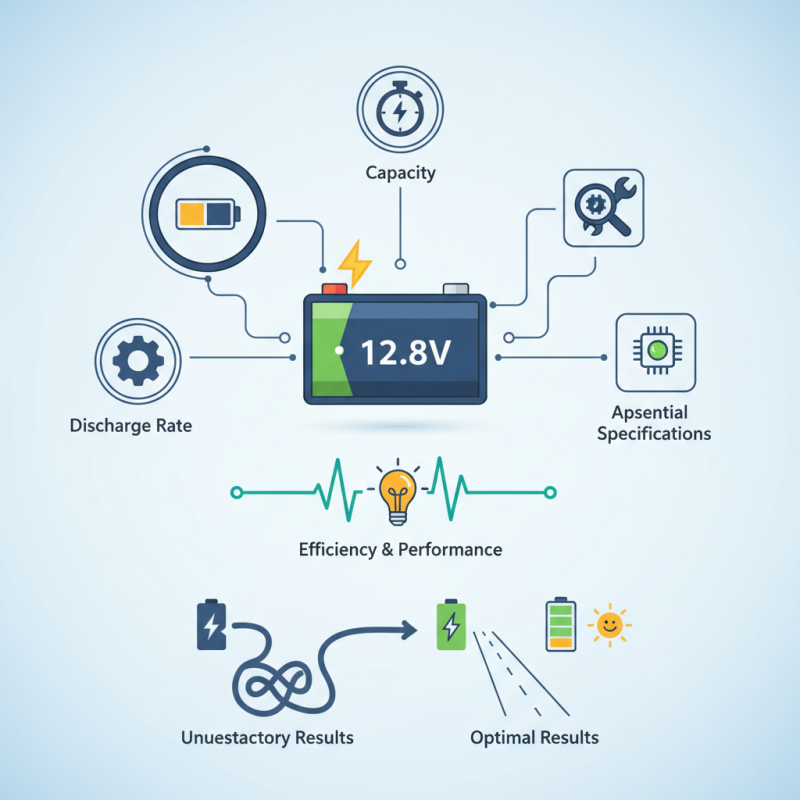
The 12.8v LiFePO4 battery is known for its longevity and reliability. However, not all products are created equal. Consumers must consider factors like capacity, discharge rates, and application. Minor details can significantly impact performance. The right choice can lead to efficient energy storage and usage.
Many users overlook essential specifications, leading to unsatisfactory results. The market is flooded with options, making it confusing. Reflect on your specific needs. It's not merely about volts; it's about compatibility and efficiency. An informed decision will yield the best results.
Understanding the Basics of 12.8V Lifepo4 Batteries
Understanding 12.8V Lifepo4 batteries is essential for making an informed choice. These batteries offer several advantages. They are known for their safety and longevity compared to other lithium-ion types. With a nominal voltage of 12.8 volts, they provide stable performance for various applications.
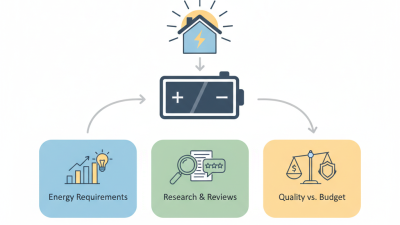
Selecting the right battery requires careful consideration of your requirements. Think about the capacity you need, often measured in amp-hours. A higher capacity means longer usage before recharging is required. Additionally, consider the weight. Lifepo4 batteries are generally lighter, making them easier to handle for portable use.
Potential buyers should also reflect on the charging process. Lifepo4 batteries typically charge faster. However, improper charging can lead to shorter lifespans. Ensure you have a compatible charger for efficient performance. Investing in the right battery means looking into its cycle life and discharge rates as well. Take the time to compare different options and remember that your specific needs may change.
Identifying Your Power Requirements and Usage Scenarios
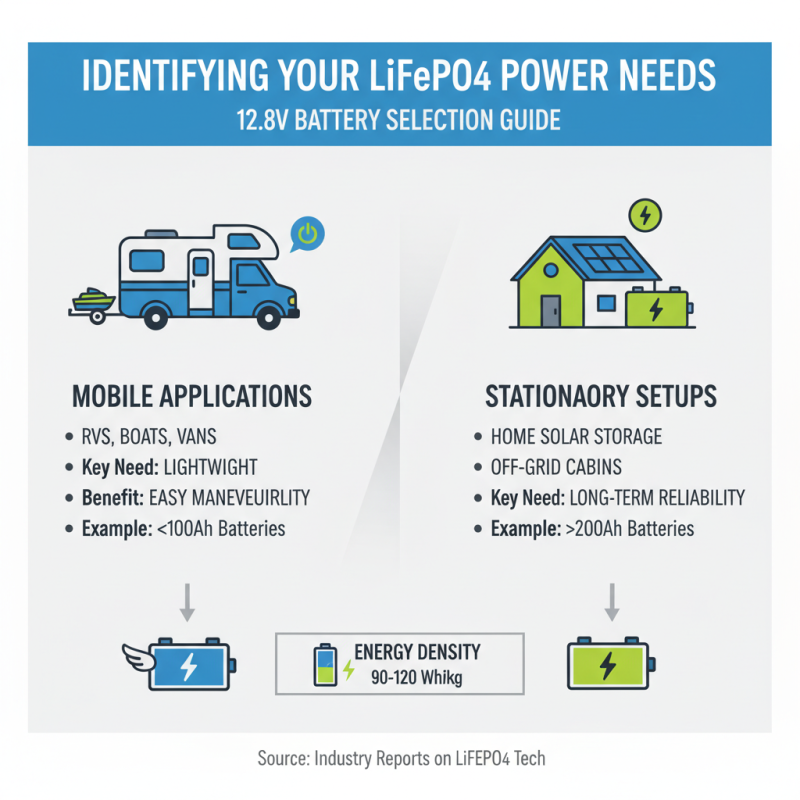
When choosing a 12.8V LiFePO4 battery, it's essential to understand your power requirements and usage scenarios. Consider how you will use the battery. For example, mobile applications like RVs or boats need lightweight options. In contrast, stationary setups for solar energy storage demand heavier-duty batteries. According to recent reports from industry experts, the energy density of LiFePO4 batteries averages around 90-120 Wh/kg, beneficial for both mobility and stationary applications.
Tips: Assess your wattage needs. Calculate the total energy your devices consume. Choose a battery that exceeds this total by at least 20%. This creates a buffer for unexpected power surges.
Evaluate your usage conditions too. Extreme temperatures can impact performance. Research indicates that LiFePO4 batteries function best at ambient temperatures between 20-25°C. However, they still maintain efficiency in a variety of environments.
Tips: Design your installation with ventilation. Proper airflow can help manage temperature. Mount batteries away from direct sunlight to avoid overheating. Remember, even the best choices require periodic evaluation for performance. Adjust your setup if you notice a decline in efficiency over time.
Assessing Battery Capacity and Performance Specifications
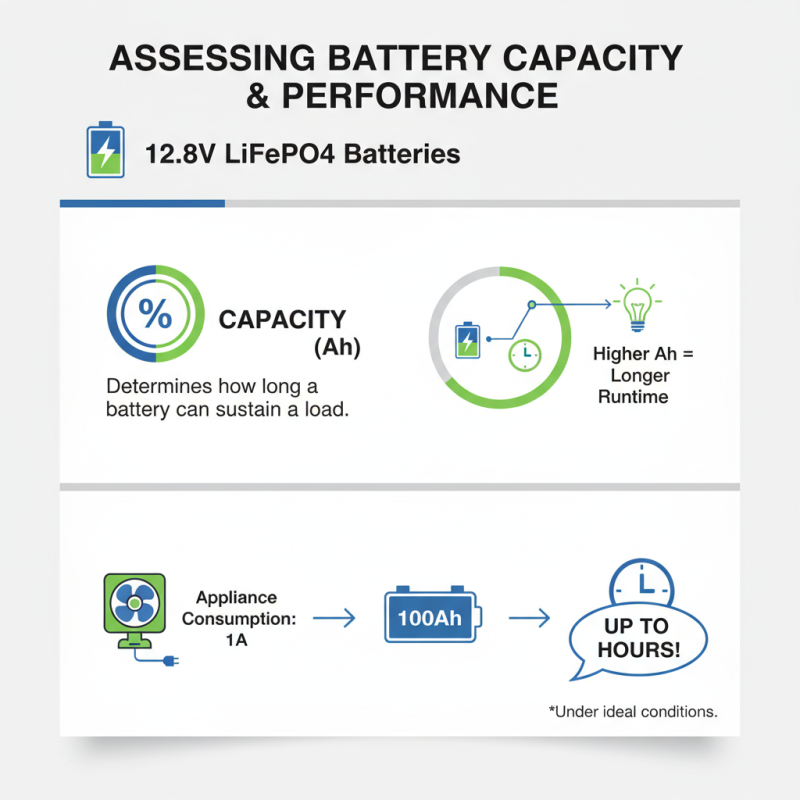
When choosing a 12.8v LiFePO4 battery, considering battery capacity and performance is crucial. Capacity is typically measured in amp-hours (Ah). This specification determines how long a battery can sustain a given load. A higher Ah rating translates to longer runtime for your devices. For example, if your appliance consumes 1A, a 100Ah battery can last up to 100 hours under ideal conditions.
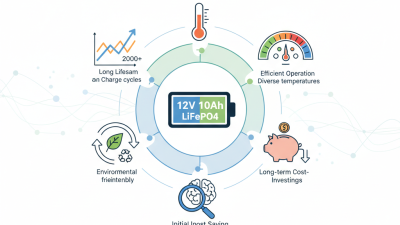
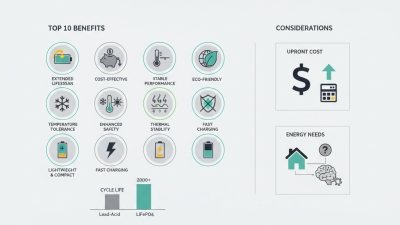
Performance specifications include discharge rates and cycle life. A battery’s discharge rate affects how quickly it can deliver energy. For high-drain applications, opt for batteries with a higher C-rate. Typical LiFePO4 batteries offer impressive cycle lives, usually exceeding 2000 cycles. This longevity can provide significant cost savings over time.
Tips: Look for batteries with over 80% retained capacity after 2000 cycles. This reliability can be critical for daily use. Always check temperature ratings, as extreme temperatures can affect performance. Think about your needs. A 12.8v LiFePO4 battery that works for a solar setup may not fit an electric vehicle. Reflect on your actual power needs to make the best choice.
Evaluating Safety Features and Lifespan of the Battery
Safety features and lifespan are critical when choosing a 12.8V LiFePO4 battery. Understanding these aspects helps ensure reliability and efficiency in your applications. Evaluate the battery’s built-in protective mechanisms. Look for over-current protection, over-voltage protection, and thermal management. These features prevent overheating and damage, which can lead to safety hazards.
Lifespan is another essential consideration. LiFePO4 batteries generally last longer than traditional batteries. You should expect performance for at least 2,000 charge cycles. However, not all batteries offer the same longevity. Factors like temperature and usage patterns can affect lifespan. It's wise to ask about the manufacturer's testing conditions.
It's important to reflect on your specific needs. Not every high-capacity battery is a fit for every application. Consider the environment where your battery will operate. Will it face extreme temperatures? Will it need to sustain frequent deep discharges? These nuances can dictate the best choice. Always weigh safety features against performance expectations to make an informed decision.
How to Choose the Right 12.8v Lifepo4 Battery for Your Needs? - Evaluating Safety Features and Lifespan of the Battery
| Battery Capacity (Ah) |
Lifespan (Cycles) |
Safety Features |
Weight (kg) |
Dimensions (mm) |
| 100 |
2000 |
BMS, Over-discharge protection, Over-temperature protection |
12 |
350 x 150 x 200 |
| 200 |
3000 |
BMS, Short-circuit protection, Over-current protection |
24 |
520 x 260 x 220 |
| 50 |
1500 |
Over-voltage protection, Cell balancing |
8 |
280 x 180 x 200 |
| 75 |
2500 |
BMS, Temperature control, Surge protection |
14 |
320 x 150 x 210 |
| 150 |
3500 |
BMS, Fire-resistant materials, Overload protection |
20 |
450 x 230 x 230 |
Comparing Price and Brand Reliability for Informed Choices
When selecting a 12.8v Lifepo4 battery, it's essential to weigh both price and brand reliability. A lower price tag can be tempting. However, it’s crucial to assess what you're sacrificing for that cost. Some manufacturers cut corners to lessen expenses. This could mean inferior quality or shorter lifespan. Spend time researching different options before making a purchase. You don’t want to face issues later.
Brand reliability often plays a significant role in overall value. A well-established brand might charge more upfront. Yet, their products typically come with better warranties and customer support. Look for user reviews and expert opinions. A brand with positive feedback from users usually signals a trustworthy product. Don't ignore the importance of after-sales service. It can save you trouble down the line.
While price and reliability are vital, consider your specific needs as well. The ideal battery should match your usage patterns. Larger capacities may be essential for certain applications, while smaller ones could suffice for others. Reflect on how often you plan to use it, and for what purpose. This can help you decide if you need higher-end features or can manage with basic functionality.
Comparison of 12.8V LiFePO4 Battery Specifications






 Tina - International Sales Director