Top 10 Lithium Ion Battery Manufacturers Worldwide?
The global battery market is changing quickly, and lithium-ion production now supports electric vehicles, energy storage, medical devices, and consumer electronics. This article examines the Top 10 Lithium Ion Battery Manufacturers Worldwide, while considering more than factory size or annual output. Manufacturing scale matters, but so do cell chemistry, safety testing, supply-chain transparency, research capacity, and after-sales reliability.
The industry includes established producers and fast-growing specialists. Some lead in nickel-rich cells, while others focus on lithium iron phosphate, solid-state research, or battery-pack integration. Their products may look similar, yet performance can differ under heat, vibration, and repeated charging. Small details matter. A factory’s quality controls can influence thousands of vehicles on the road.
Nobel Prize-winning battery scientist John B. Goodenough said, “We need to develop batteries with greater energy density, that are safer, and that are less expensive.” His words remain relevant to every Batterie Lithium Ion manufacturer competing today. A leading company must balance energy density with safety, cost, durability, and environmental responsibility.
This ranking uses publicly available production data, technology developments, market reach, and manufacturing credibility. It is not an absolute verdict. Data changes, and some private-company figures are difficult to verify. That limitation deserves attention. Still, the comparison offers a practical view of which manufacturers shape the Batterie Lithium Ion industry and why their decisions affect the future of global electrification.
What Defines a Leading Lithium-Ion Battery Manufacturer?
A leading lithium-ion battery manufacturer is defined by more than production volume. It must control quality from raw material intake to final shipment.
Engineers should verify cell chemistry, electrode coating, welding strength, and thermal performance. Small defects can become serious failures in demanding applications.
Reliable manufacturers provide clear batch records and traceable test data. They measure capacity, internal resistance, cycle life, and charging behavior under controlled conditions.
Independent laboratory testing strengthens these claims.
Factory audits should examine humidity control, worker training, equipment maintenance, and emergency procedures. A clean production line matters, but consistent process discipline matters more.
Safety testing must include overcharge, crush, vibration, heat exposure, and short-circuit conditions. Good suppliers also design protection systems for real operating environments.
They explain degradation honestly instead of promising unlimited battery life. No factory is flawless. The better question is how quickly it detects and corrects problems.
After-sales support, technical documentation, warranty handling, and responsible end-of-life planning reveal long-term reliability. Buyers should inspect evidence, not polished language. Cost still matters, but an unusually low price may hide weaker testing or shorter service life.
Global Market Coverage and Manufacturer Selection Criteria
Top 10 Lithium Ion Battery Manufacturers Worldwide?
Global market coverage matters when selecting a lithium-ion battery manufacturer. A strong supplier should support multiple regions, local regulations, and stable delivery routes. Check production capacity, warehouse locations, and after-sales service before signing a contract. A large factory is not always the safest choice. Some smaller manufacturers provide faster engineering support and more flexible order volumes.
Selection should begin with technical evidence. Review cell chemistry, energy density, cycle life, thermal management, and safety testing. Ask for recent laboratory reports, quality certificates, and traceable production records. Confirm whether the manufacturer can customize voltage, size, packaging, and battery management systems. Experienced buyers also examine warranty terms, defect rates, recycling plans, and supply-chain transparency. These details reveal reliability better than impressive marketing language. I have seen specifications look excellent on paper, yet perform differently in field conditions.
Tips: Compare at least three suppliers. Request sample testing. Check performance at low and high temperatures. Visit a production site when possible. Ask how failures are investigated and reported. Do not judge by price alone. It sounds obvious, but rushed decisions still happen. A practical scorecard can rank safety, quality, capacity, service, compliance, and total cost. Leave room for uncertainty. Market rankings change quickly, and public information may be incomplete.
Top 10 Lithium-Ion Battery Manufacturers Worldwide
Top 10 Lithium-Ion Battery Manufacturers Worldwide
The top ten lithium-ion battery manufacturers are judged by scale, safety, innovation, and proven global delivery. Their products support electric vehicles, energy storage systems, medical devices, and portable electronics. A serious comparison should examine annual output, cell chemistry, production locations, and quality controls. Public rankings can change quickly. Capacity announcements do not always equal finished battery shipments.
Leading manufacturers usually invest heavily in research, automated factories, and recycling programs. They test cells under heat, vibration, pressure, and repeated charging cycles. Experienced buyers also review warranty terms, thermal management, traceability, and independent certifications. Safety remains the practical dividing line. A cheaper cell can create higher costs later. Still, no manufacturer is perfect, and published performance figures may not reflect every operating environment.
Tips: Compare usable energy, not only advertised capacity. Check temperature ranges and cycle-life testing conditions. Ask whether the quoted figures come from laboratory tests or field projects. Inspect the supplier’s service network near your installation site. I would also request recent audit records, though some companies provide limited detail. That gap deserves careful questioning.
Technology, Production Capacity, and Industry Applications
Top 10 Lithium Ion Battery Manufacturers Worldwide: Technology, Production Capacity, and Industry Applications
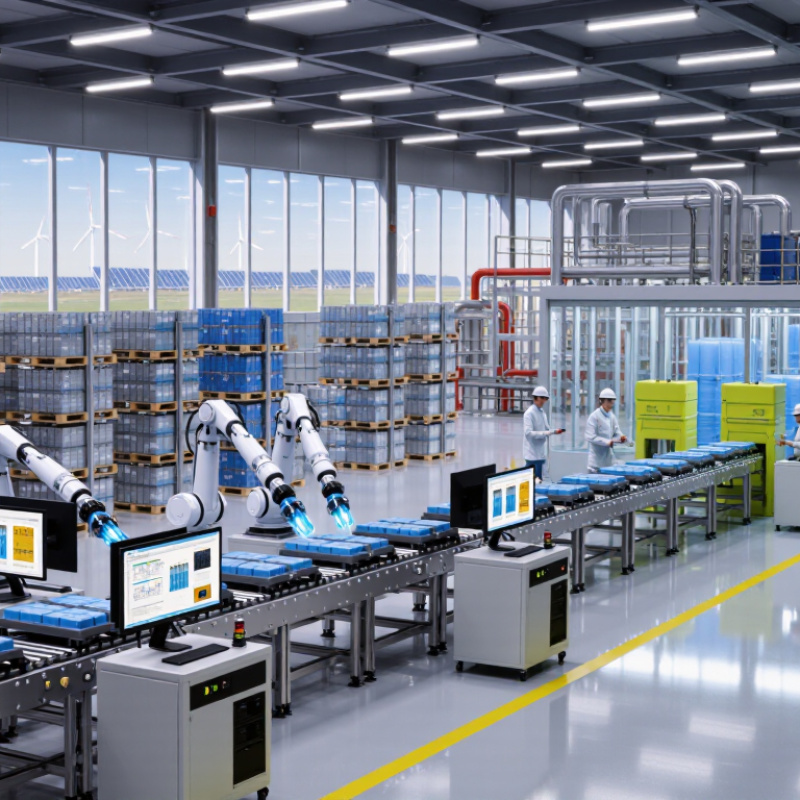
The global top ten are best compared through chemistry, manufacturing scale, safety controls, and customer reach. Their factories commonly produce lithium iron phosphate and nickel-rich cells for different performance needs. LFP cells usually offer strong thermal stability and long cycle life. Nickel-rich designs can provide higher energy density but demand tighter temperature management. Manufacturing quality depends on coating uniformity, dry-room control, welding accuracy, and final testing. Small defects can become expensive failures.
Production capacity varies from several gigawatt-hours to well over one hundred annually. However, announced capacity is not the same as usable output. Equipment delays, material shortages, and qualification periods can reduce real production. This distinction is often overlooked. A reliable assessment should examine operating plants, yield rates, recycling systems, and supply-chain resilience. Factory automation helps, but skilled technicians still matter during process changes and fault investigations.
Industry applications shape cell design. Electric vehicles need high power, fast charging, vibration resistance, and long service life. Energy-storage projects prioritize safety, predictable aging, and low operating cost. Consumer electronics require compact formats and carefully controlled energy density. Industrial tools often balance burst power with rugged construction. From practical factory observations, performance claims should be checked under real temperatures, charging habits, and maintenance conditions. Laboratory results can look impressive. Field data may tell a different story.
This chart summarizes the major application segments shaping global lithium-ion battery manufacturing. Electric vehicles accounted for the largest demand in 2023, while grid-scale storage recorded rapid expansion as renewable-energy deployment increased. The figures are industry-level estimates and do not represent any individual company or brand.
Source: International Energy Agency, Global EV Outlook 2024 and Batteries and Secure Energy Transitions.



 Tina - International Sales Director