Top 2026 Lifepo4 Battery 12.8v for Global Buyers?
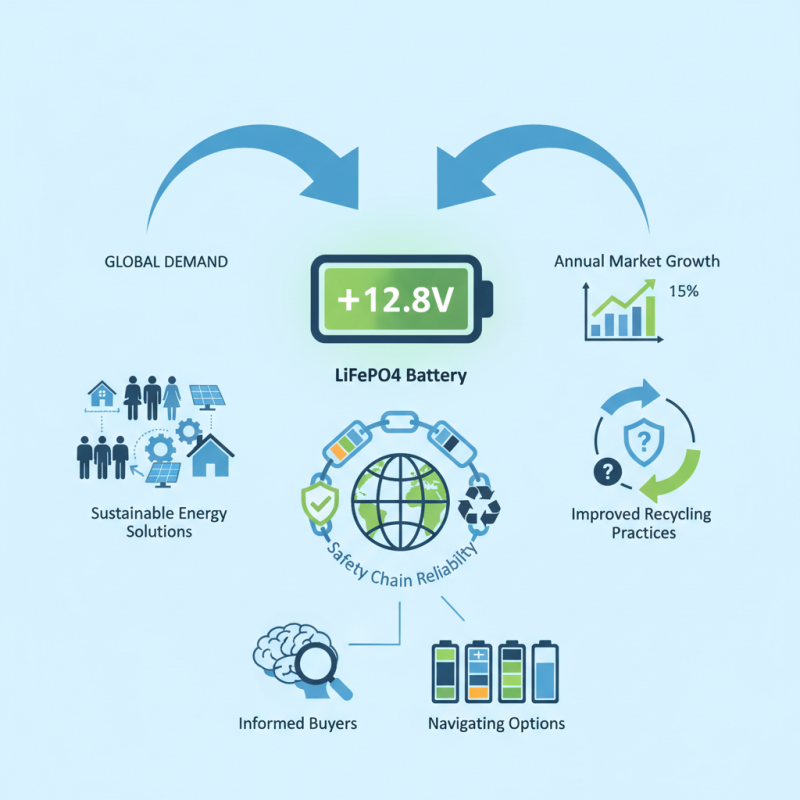
The demand for the 12.8v Lifepo4 Battery is surging as more consumers shift towards sustainable energy solutions. According to a recent report by the International Battery Association, the global market for lithium iron phosphate batteries is set to grow by 15% annually over the next five years. This trend highlights a growing interest in reliable energy sources.
Industry expert Dr. Emily Chen emphasizes the significance of this technology, stating, "The 12.8v Lifepo4 Battery stands out for its safety and longevity." Her insights reflect the increasing awareness of performance and reliability among consumers. Yet, challenges remain in terms of supply chain reliability and recycling practices that need improvement.
In this evolving landscape, buyers must navigate various options in the 12.8v Lifepo4 Battery market. Understanding these batteries' capabilities and limitations is crucial. As consumers become more informed, the conversation around sustainability will continue to reshape this industry.
Top Features of 2026 Lifepo4 Battery 12.8V for Global Buyers
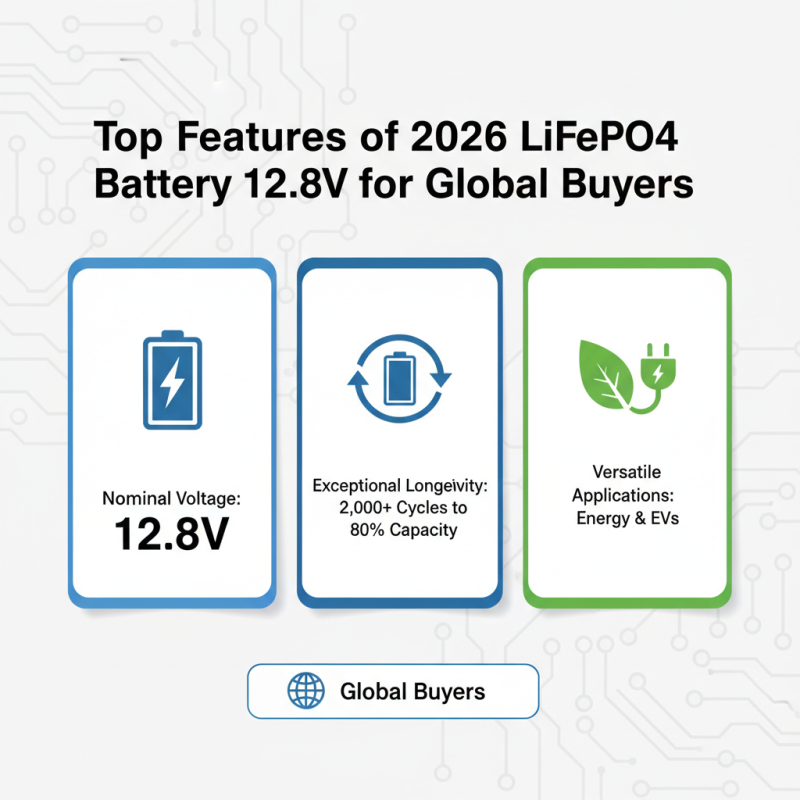
The 2026 Lifepo4 battery technology introduces remarkable features ideal for global buyers. With a nominal voltage of 12.8V, these batteries showcase impressive energy density and longevity. According to industry research, Lifepo4 batteries can maintain up to 80% of their capacity after 2,000 charge cycles. This durability makes them a suitable choice for various applications, including renewable energy systems and electric vehicles.
The safety profile of these batteries is exceptional. They are known for their thermal stability, reducing the risk of overheating and fires. Reports from energy analysts suggest that Lifepo4 batteries have a significantly lower failure rate compared to lithium-ion alternatives. Additionally, their environmentally friendly composition allows for easier recycling processes. These advantages align with the growing market demand for sustainable energy solutions.
Another essential aspect is the ability to operate efficiently in various conditions. Lifepo4 batteries maintain performance in extreme temperatures, from -20°C to 60°C, making them versatile for global climates. However, potential buyers should consider the initial investment, as these batteries often carry a higher upfront cost. Balancing cost against long-term benefits is vital for smart purchasing decisions.
Market Trends and Demand for Lifepo4 Batteries in 2026
The demand for LiFePO4 batteries is rapidly growing in 2026. This shift is driven by the increasing need for sustainable energy solutions. More consumers and industries are recognizing the advantages of lithium iron phosphate technology. Such batteries offer a longer life cycle and enhanced safety compared to traditional lithium-ion options. Reports show a marked rise in their adoption across various sectors, including electric vehicles and renewable energy storage.
Market trends indicate that buyers are particularly interested in high-capacity models. Innovative designs with enhanced efficiency are in demand. However, some challenges remain. The production process can be resource-intensive, affecting availability and price stability. A careful balance must be struck to ensure sustainability without compromising performance. This may require further research and investment in manufacturing methods.
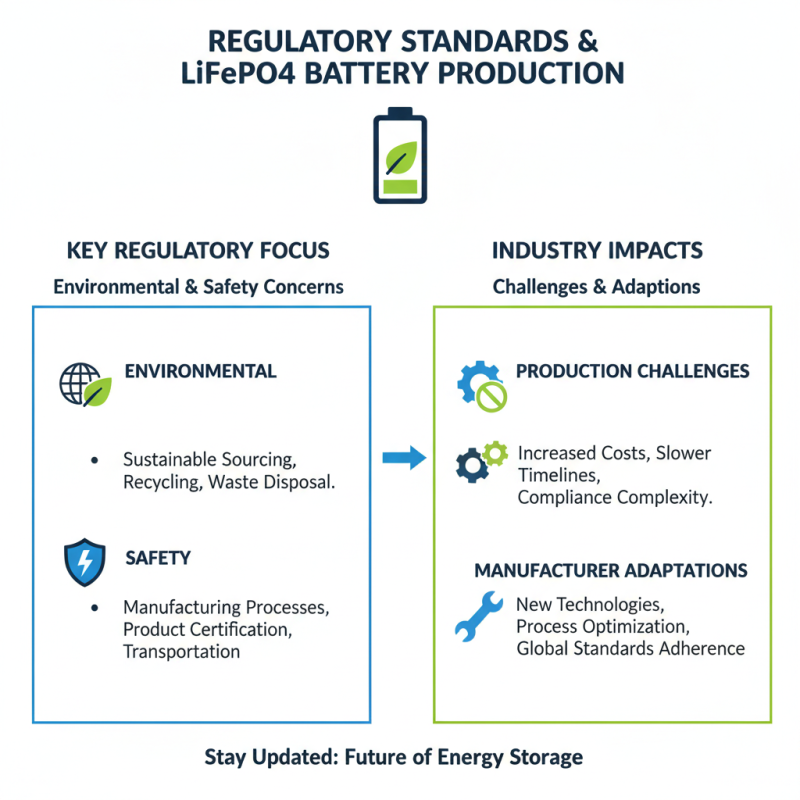
Moreover, awareness around recycling practices is growing. Responsible disposal of LiFePO4 batteries is crucial for environmental protection. Buyers are becoming more cautious, prioritizing not just performance but also ecological impact. As the market evolves, educating consumers about product features and environmental responsibilities will be essential for fostering trust and reliability.
Comparative Capacity and Performance of Leading Lifepo4 Models
When exploring the world of LiFePO4 batteries, one must consider various models for optimal performance. These batteries stand out due to their thermal stability and long life cycles. Capacity and voltage ratings can vary significantly among different models. For example, some batteries offer a consistent output of 12.8V, while others may drop voltage under load. Understanding these differences is crucial for consumers.
In terms of performance, factors like charge times and discharge rates play a critical role. Some models may charge completely in under three hours, while others can take longer. A battery's capacity in amp-hours is another important metric. This determines how long the battery can sustain power. Detailed specifications should be compared to find the right fit for each application.
Despite manufacturers claiming high efficiencies, real-world usage can differ. Users often encounter performance drops due to temperature fluctuations. Feedback from existing users can provide insights into these inconsistencies. Therefore, proper testing under various conditions is essential for making an informed choice.
Comparative Capacity and Performance of Leading Lifepo4 Models (2026)
Future Innovations in Lifepo4 Technology for Enhanced Usability
The LiFePO4 battery technology is evolving rapidly, promising innovative solutions for users worldwide. Recent market surveys reveal an anticipated growth rate of 8.5% CAGR for LiFePO4 batteries from 2021 to 2028. This growth is driven by their safety, long cycle life, and thermal stability. Advances like new electrolyte formulations are enhancing energy density, and this trend excites buyers looking for high-performance solutions.
Furthermore, emerging applications in electric vehicles and renewable energy storage showcase LiFePO4's adaptability. For example, reports indicate that LiFePO4 batteries can have a cycle life exceeding 3,500 cycles, which is five times longer than traditional lithium-ion options. However, the challenge lies in balancing cost with performance improvements. The initial investment can be daunting for some buyers.
The future also looks bright with solid-state technology on the horizon. Solid-state LiFePO4 can potentially double energy density while eliminating flammability concerns. Yet, practical implementation remains a hurdle. Collaborative research is necessary to refine these innovations. As the technology matures, buyers may need to navigate trade-offs and remain vigilant about evolving market conditions.
Top 2026 Lifepo4 Battery 12.8v for Global Buyers
| Battery Capacity (Ah) |
Cycle Life |
Charging Time (hrs) |
Discharge Rate (C) |
Weight (kg) |
Temperature Range (°C) |
| 100 |
3000 |
4 |
1C |
25 |
-20 to 60 |
| 200 |
4000 |
4.5 |
0.5C |
45 |
-10 to 55 |
| 150 |
3500 |
5 |
1C |
35 |
-20 to 60 |
| 250 |
5000 |
5.5 |
0.5C |
60 |
-5 to 55 |






 Tina - International Sales Director