Choosing the right battery begins with understanding how chemistry affects real-world performance. This guide introduces the Top 10 Lithium Ion Battery Types for Global Buyers, from lithium iron phosphate and nickel manganese cobalt to lithium titanate and newer solid-state designs. Each type offers a different balance of energy density, safety, cycle life, charging speed, cost, and temperature tolerance.
Dr. Jeff Dahn, a leading battery researcher, has often emphasized the practical trade-offs behind battery development: “There is no one battery chemistry that is best for all applications.” That insight matters when comparing a Batterie Lithium Ion for an electric vehicle, solar storage system, medical device, or industrial machine. A compact battery may deliver impressive range, yet require stricter thermal control. Another may be heavier, but provide thousands of stable cycles in a warehouse environment. Details matter. Small details matter.
This overview focuses on technical evidence, manufacturing experience, and buyer-oriented evaluation. It considers cell format, operating temperature, safety architecture, supply-chain maturity, and total ownership cost. It also recognizes an uncomfortable reality: product specifications do not always reflect field performance. Testing methods can differ, and marketing language can hide limitations. Buyers should verify datasheets, certifications, warranty terms, and independent test results before making a decision.
No ranking is permanent. Battery technology continues to evolve. The best choice depends on the application, operating conditions, budget, and acceptable risk. This guide offers a practical starting point, not an absolute verdict.
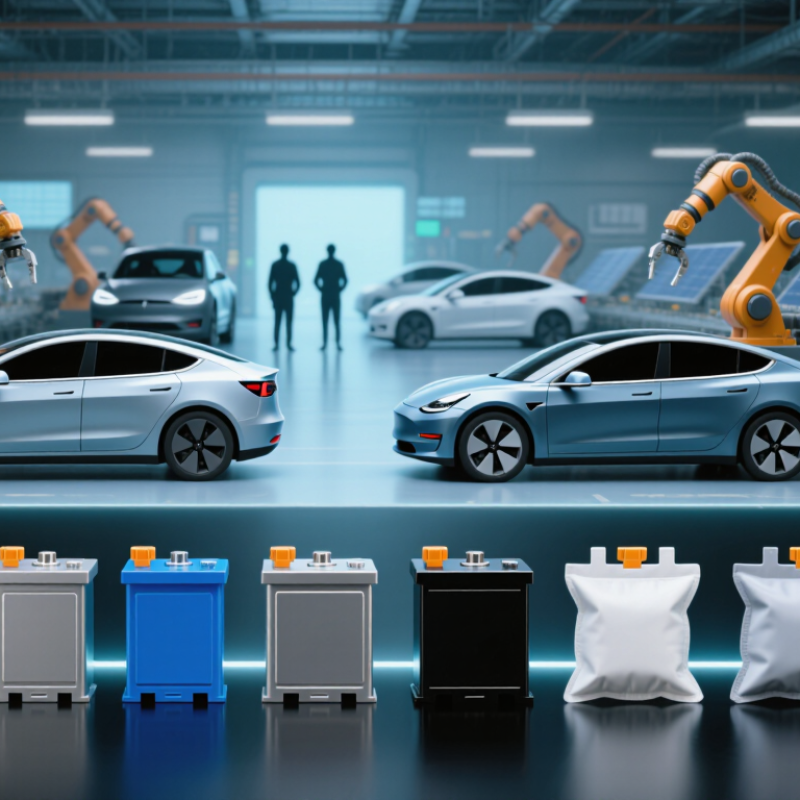
Lithium-ion batteries differ mainly by cathode chemistry, anode material, and cell format. Common types include lithium cobalt oxide, lithium manganese oxide, nickel-manganese-cobalt, nickel-cobalt-aluminum, lithium iron phosphate, lithium manganese iron phosphate, and lithium titanate variants. NMC ratios, such as 1:1:1 or high-nickel blends, change energy density, cost, and thermal behavior. LFP usually favors durability and safety over compact size.
A cell contains four working parts: cathode, anode, electrolyte, and separator. During discharge, lithium ions move through the electrolyte while electrons travel through the external circuit. The separator must block direct contact between electrodes. Small design errors matter. A damaged separator can create internal heating. Cell geometry also affects cooling, swelling, and manufacturing yield.
The International Energy Agency reported that global battery demand reached about 750 GWh in 2023, with electric vehicles accounting for most growth. BloombergNEF reported an average lithium-ion pack price of 115 dollars per kWh in 2024, down from 139 dollars in 2023. These figures show scale, but they do not predict every buyer’s result. Pack pricing varies with chemistry, volume, minerals, testing, and local logistics. A high-energy cell may suit a lightweight vehicle, while an LFP pack may better fit frequent cycling and hot working conditions. I would not select chemistry from price alone. Real duty cycles often expose assumptions that laboratory figures hide.

This chart compares representative cell-level gravimetric energy density across ten common lithium-ion battery chemistries. Higher energy density can support longer runtime or lighter pack designs, while safety, cycle life, power capability, operating temperature, cost, and thermal-management requirements must also be considered when selecting a battery type.
Values are indicative technical ranges based on commonly reported commercial and research cell characteristics. Actual performance varies according to electrode formulation, cell format, charging limits, operating conditions, and pack design.
Top 10 Lithium Ion Battery Types for Global Buyers
Ten Major Lithium-Ion Battery Chemistries Explained
Lithium cobalt oxide offers high energy density, but heat and cycle life require careful management. Lithium manganese oxide provides strong power output and improved thermal stability, though capacity fades faster. Lithium nickel manganese cobalt oxide balances energy, power, cost, and durability. Its performance changes with the nickel, manganese, and cobalt ratio. Lithium nickel cobalt aluminum oxide supports high energy storage, but it needs strict charging and thermal controls. These chemistries often serve portable electronics, electric vehicles, and compact equipment.
Lithium iron phosphate uses stable phosphate bonds and generally delivers long cycle life with good thermal safety. Lithium manganese iron phosphate extends that family, adding manganese for higher voltage while preserving practical durability. Lithium titanate replaces the usual graphite anode and enables rapid charging, low-temperature performance, and very long life. Its lower energy density increases pack size. Lithium nickel manganese oxide contains little or no cobalt and can deliver high voltage, but production consistency remains challenging. Lithium vanadium phosphate offers structural stability and useful power capability, although its cost and commercial availability can limit adoption.
The categories overlap. Some cells blend materials or use different particle coatings. A neat ranking is misleading. Buyers should compare usable energy, not only rated capacity. Check cycle testing, thermal limits, charging temperature, storage conditions, and protection electronics. Results can differ between laboratory cells and complete packs. I would request independent test data, because optimistic figures are common. Application details matter more than chemistry names alone.
| Rank | Battery Chemistry | Positive Electrode | Nominal Cell Voltage | Typical Gravimetric Energy Density | Typical Cycle Life | Thermal Safety | Key Advantages | Common Applications | Main Limitations |
|---|---|---|---|---|---|---|---|---|---|
| 1 | Lithium Nickel Manganese Cobalt Oxide (NMC) | Layered nickel-manganese-cobalt oxide | 3.6–3.7 V | 150–250 Wh/kg | 1,000–2,000 cycles | Medium | Balanced energy density, power capability, size, and cost | Electric vehicles, power tools, medical equipment, energy storage | Uses nickel and cobalt; requires careful thermal and battery management |
| 2 | Lithium Iron Phosphate (LFP) | Phosphate-based iron cathode | 3.2–3.3 V | 90–160 Wh/kg | 2,000–6,000 cycles | High | Long service life, strong thermal stability, and lower material cost | Stationary storage, commercial vehicles, electric buses, backup power | Lower energy density and weaker performance in very cold conditions |
| 3 | Lithium Nickel Cobalt Aluminum Oxide (NCA) | Nickel-cobalt-aluminum oxide | 3.6–3.7 V | 180–280 Wh/kg | 500–1,500 cycles | Medium | High energy density and good power-to-weight performance | Long-range electric vehicles, aerospace systems, high-performance equipment | Higher thermal-management requirements and dependence on nickel and cobalt |
| 4 | Lithium Manganese Oxide (LMO) | Spinel manganese oxide | 3.7–3.8 V | 100–150 Wh/kg | 500–1,000 cycles | Medium to High | Good power output, lower material cost, and relatively low internal resistance | Power tools, medical devices, hybrid vehicles, light electric mobility | Shorter cycle life and lower energy density than many newer chemistries |
| 5 | Lithium Cobalt Oxide (LCO) | Layered cobalt oxide | 3.6–3.7 V | 150–240 Wh/kg | 500–1,000 cycles | Low to Medium | High energy density and mature manufacturing processes | Smartphones, cameras, laptops, and other portable electronics | High cobalt content, limited cycle life, and greater thermal sensitivity |
| 6 | Lithium Titanate (LTO) | Lithium titanate anode with a compatible lithium-ion cathode | 2.3–2.4 V | 50–90 Wh/kg | 10,000–25,000 cycles | Very High | Extremely long cycle life, rapid charging, and strong low-temperature performance | Fast-charging transit, grid support, industrial equipment, UPS systems | Low energy density and higher cost per stored kilowatt-hour |
| 7 | Lithium Manganese Nickel Oxide (LMNO) | High-voltage manganese-nickel spinel | 4.7–4.8 V | 120–200 Wh/kg | 500–1,500 cycles | Medium | High operating voltage, reduced cobalt dependence, and good power capability | Specialty electric vehicles, hybrid systems, high-power battery packs | Electrolyte oxidation and capacity fade can increase at high voltage |
| 8 | Lithium Nickel Manganese Cobalt Oxide with High Nickel Content | Nickel-rich layered oxide with manganese and cobalt | 3.6–3.7 V | 200–300 Wh/kg | 800–1,500 cycles | Medium | Higher energy density and reduced cobalt intensity compared with older NMC blends | Long-range electric vehicles, aviation research, high-energy mobile systems | More demanding control of heat, charging voltage, and mechanical stability |
| 9 | Lithium Iron Manganese Phosphate (LMFP) | Iron-manganese phosphate | 3.4–3.5 V | 110–180 Wh/kg | 2,000–5,000 cycles | High | Improved voltage and energy density over standard LFP while retaining strong safety characteristics | Electric vehicles, commercial transport, stationary energy storage | Commercial performance varies with formulation; cold-weather behavior requires validation |
| 10 | Lithium Vanadium Phosphate (LVP) | Vanadium phosphate framework | 3.6–4.0 V | 100–170 Wh/kg | 1,000–3,000 cycles | High | Good structural stability, strong safety potential, and useful power performance | Specialized industrial storage, research systems, and high-power applications | Higher material cost and less widespread commercial availability |
Note: Values are typical industry ranges for cell-level performance and vary with electrode design, operating temperature, charging protocol, depth of discharge, and battery management system. Pack-level energy density is generally lower than cell-level energy density.
Top 10 Lithium Ion Battery Types for Global Buyers
Performance, Safety, Cost, and Lifespan Comparison
Lithium iron phosphate offers strong thermal stability, low material cost, and 2,000–6,000 cycles. Its energy density remains moderate. Lithium nickel manganese cobalt oxide balances energy, power, and size, but requires careful thermal control. Lithium nickel cobalt aluminum oxide stores substantial energy, although its safety margin and material cost demand stricter engineering. Lithium cobalt oxide is compact and energy-rich, yet its cycle life and heat tolerance are limited.
Lithium manganese oxide delivers high power at a reasonable cost, but usually ages faster. Lithium titanate charges quickly, performs well in cold conditions, and may exceed 10,000 cycles. The trade-off is obvious: low energy density and a higher purchase price. Lithium manganese iron phosphate can improve energy density over LFP while reducing cobalt dependence, though supply experience varies. Lithium nickel manganese oxide operates at high voltage and avoids cobalt, but its long-term stability still needs careful validation.
Lithium-polymer batteries use flexible packaging and can fit thin products. They are not a separate chemistry, so performance depends on the cell materials inside. Solid-state lithium batteries may offer improved safety and energy density, but many commercial designs remain expensive or immature. Buyers should compare tested cycle data, usable capacity, thermal behavior, warranty terms, and recycling support. Laboratory figures can look impressive. Field results may disagree. Temperature, charging habits, and system design often change the lifespan more than the chemistry alone.
The best battery is rarely the one with the highest energy density.
Lithium cobalt oxide suits smartphones, cameras, and compact electronics requiring light weight.
Lithium manganese oxide works well in medical tools and power equipment, where moderate cost matters.
Nickel manganese cobalt batteries balance range, power, and size for electric cars, scooters, and energy storage.
Nickel cobalt aluminum cells support long-range vehicles, but thermal control must be carefully designed.
Lithium iron phosphate offers strong safety and cycle life for buses, forklifts, and solar storage.
Lithium manganese iron phosphate can extend driving range while retaining useful thermal stability.
Lithium titanate charges quickly and performs well in buses, industrial vehicles, and backup systems.
Lithium polymer cells fit drones, wearables, and slim devices with unusual shapes.
Lithium-sulfur remains promising for lightweight aerospace applications, although cycle life still limits wider adoption.
Solid-state lithium batteries may serve future vehicles and medical devices, but commercial readiness varies widely.
Tips:
Match chemistry with duty cycle, temperature, charging speed, and service access.
Request test data under your real operating conditions.
A laboratory result can look impressive.
Field performance may differ.
Check the complete battery system, including the management system, enclosure, cooling, and protection features.
Do not compare capacity alone.
For cold warehouses, heated systems may be necessary.
For hot climates, ventilation and thermal monitoring become more important.
Buyers should also verify transport documents, warranty terms, and replacement procedures.
Some selections will need revision after pilot testing, and that is normal.
Selecting a lithium-ion battery starts with the application, not the catalog name. Lithium cobalt oxide offers high energy density for compact electronics, but it needs careful thermal management. Lithium manganese oxide supports strong power output and moderate cost. Nickel manganese cobalt and nickel cobalt aluminum chemistries provide high energy density for mobility and storage systems. Lithium iron phosphate is heavier, yet it offers strong thermal stability and a long cycle life. Lithium titanate charges quickly and performs well in cold conditions, but its energy density remains limited.
Other options deserve closer attention. Lithium manganese iron phosphate can improve energy performance while retaining much of lithium iron phosphate’s stability. Lithium nickel manganese oxide supports high voltage, though supplier qualification is essential. Lithium polymer cells provide flexible packaging, not a completely separate chemistry. Silicon-enhanced anodes may increase capacity, but swelling control requires careful engineering. Solid-state designs are promising, but commercial maturity varies.
Match the chemistry to real operating data. Check daily cycle count, peak current, ambient temperature, charging time, usable capacity, and enclosure space. Ask for cell-level test reports, safety data, traceability records, and production consistency. For international shipments, verify applicable transport and product standards, including required testing documentation. A low purchase price can become expensive after thermal controls, replacement cells, or warranty claims. I would not select a chemistry from energy density alone. That shortcut looks efficient. It often is not. My judgment can still be wrong when field conditions differ from laboratory results, so pilot testing under actual loads remains necessary.