What are the Benefits of Lithium Iron Phosphate Batteries in 2026?
In 2026, the landscape of energy storage is evolving. A prominent player in this field is the Lithium Iron Phosphate Battery. This type of battery is known for its safety and stability. Many industries are turning to it for reliable performance.
The advantages of Lithium Iron Phosphate Batteries are clear. They offer long life cycles and good thermal stability. This means they can withstand extreme conditions without significant degradation. These batteries are increasingly popular in electric vehicles and renewable energy systems. Their efficiency plays a crucial role in driving clean technology forward.
However, challenges remain. While the technology is promising, there is still much to learn about its full potential. Researchers are exploring new applications and improvements. As we navigate 2026, understanding these benefits will be key for consumers and industries alike. The Lithium Iron Phosphate Battery stands at the forefront of this energy revolution.
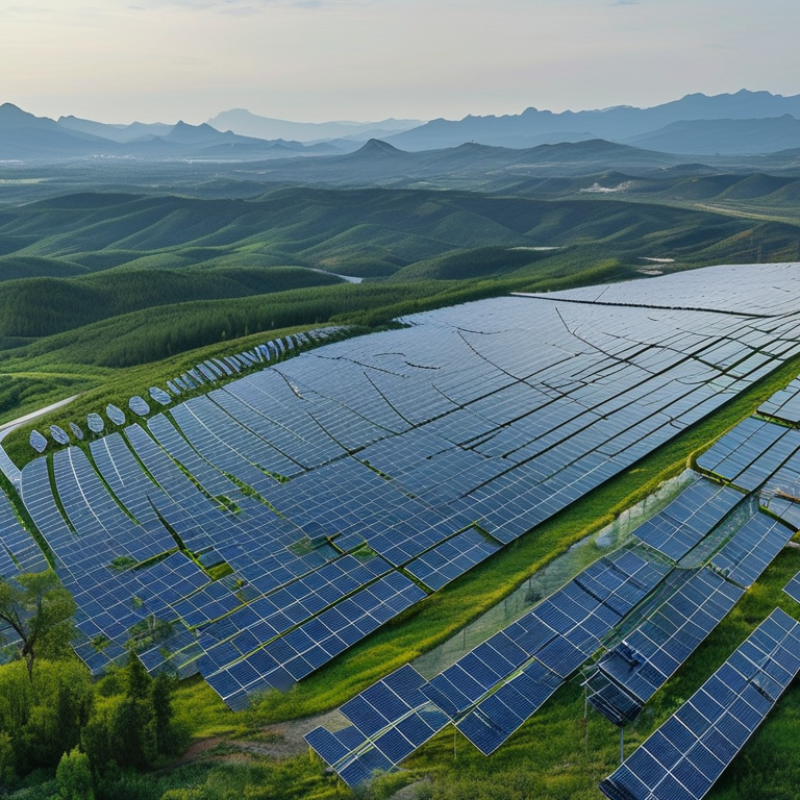
Benefits of Lithium Iron Phosphate Batteries for Energy Storage in 2026
Lithium Iron Phosphate (LiFePO4) batteries are gaining traction in energy storage systems by 2026. Their robust safety profile makes them ideal for various applications. Unlike other lithium batteries, LiFePO4 cells are less prone to overheating and thermal runaway. This quality ensures longevity and reliability in energy storage solutions. A recent market report highlights that the demand for LiFePO4 batteries is expected to grow by over 20% annually, driven by advancements in renewable energy integration.
Their high cycle life is significant for energy storage. LiFePO4 batteries typically offer at least 2,000 charge cycles, which equates to many years of service. This attribute not only reduces replacement rates but also lowers long-term costs. The levelized cost of storage can decrease by 15% when utilizing LiFePO4 technology, according to industry analyses. These factors contribute to a more sustainable energy ecosystem.
However, challenges remain. The energy density of LiFePO4 is lower than that of other lithium-ion batteries. This means these batteries require more physical space to store the same amount of energy. While this limitation can present design challenges, it is balanced by their enhanced safety and environmental features. As the industry evolves, addressing such issues will be vital for broader adoption.
What are the Benefits of Lithium Iron Phosphate Batteries in 2026?
| Benefit |
Description |
Impact Level |
| Long Cycle Life |
Can last for up to 5000 charge cycles. |
High |
| Safety |
Lower risk of fire and thermal runaway compared to other lithium batteries. |
High |
| Environmental Impact |
Less harmful materials used, better for recycling. |
Medium |
| Performance |
Stable performance across a wide temperature range. |
High |
| Cost-Effectiveness |
Lower total cost of ownership over the battery's lifetime. |
High |
| Energy Density |
Higher energy density compared to traditional lead-acid batteries. |
Medium |
Enhanced Safety Features of Lithium Iron Phosphate Batteries in 2026
Lithium iron phosphate (LiFePO4) batteries are gaining attention for their enhanced safety features in 2026. One of their key advantages is thermal stability. These batteries remain stable even under high temperatures. This reduces the risk of fire or explosion, a critical concern for many applications. Unlike other lithium batteries, LiFePO4 chemistry provides a safer option for energy storage.
Another significant safety aspect is their robust structural integrity. LiFePO4 batteries are less prone to thermal runaway. This means they have a lower likelihood of overheating during use. The non-toxic nature of the materials used in these batteries also contributes to their overall safety profile. Users can feel more secure knowing they are handling less hazardous materials.
However, it is essential to recognize that challenges remain. Not all manufacturing processes ensure the same level of safety and reliability. Quality control can vary significantly between suppliers. Consumers must remain vigilant when selecting their battery sources. Awareness of these factors can lead to safer energy storage solutions moving forward.
Cost-Effectiveness of Lithium Iron Phosphate Batteries for Consumer Use
In 2026, lithium iron phosphate (LiFePO4) batteries are becoming increasingly popular for consumer use. These batteries offer a compelling cost-effectiveness. Their pricing is competitive compared to other battery technologies. This affordability makes them accessible for a variety of applications. Consumers can benefit from lower upfront costs and long-term savings on replacements.
Moreover, lithium iron phosphate batteries boast exceptional longevity. They typically last longer than traditional lithium-ion batteries. This longevity translates into fewer replacements over time. Consumers can save money as their investment in these batteries pays off. However, it is crucial to consider the charging infrastructure. Not all regions have adequate support for LiFePO4 charging solutions, which may hinder their appeal.
Safety is another vital aspect of lithium iron phosphate batteries. They are less prone to overheating and thermal runaway, making them a safer choice. However, potential users should remain aware of the trade-offs, such as slightly lower energy density. This trade-off may affect certain high-performance applications. Balancing safety, cost, and performance requires careful consideration for consumers.
Environmental Impact of Lithium Iron Phosphate Batteries in 2026
Lithium Iron Phosphate (LiFePO4) batteries are gaining attention for their environmental advantages as we look towards 2026. These batteries are more stable than traditional lithium-ion options. They have a longer cycle life, which reduces waste significantly. Recent studies indicate that LiFePO4 batteries can exceed 4,000 charge cycles, as per the Clean Energy Institute’s findings. This longevity minimizes the frequency and volume of battery disposal.
The production of LiFePO4 batteries also generates fewer harmful emissions compared to other lithium-ion batteries. A report by the International Energy Agency shows that their manufacturing process results in 50% lower greenhouse gases. However, the sourcing of lithium and iron still poses environmental challenges. Many manufacturers are working to improve mining techniques to lessen the ecological footprint.
Tips: Always consider battery recycling programs in your area. Proper disposal helps mitigate environmental dangers. Investments in more sustainable production methods are critical for our future.
Continuous innovation is necessary. While lithium iron phosphate batteries are better, they are not perfect. Technical limitations in energy density need addressing. As the demand for cleaner energy solutions grows, further research is essential. Balancing efficiency and environmental sustainability must remain a priority.
Applications and Innovations Utilizing Lithium Iron Phosphate Batteries in 2026
In 2026, lithium iron phosphate (LiFePO4) batteries are expected to transform various industries. Their unique chemistry delivers safety and longevity. With a thermal stability that surpasses other lithium-ion technologies, these batteries can handle higher temperatures. This quality makes them ideal for applications in electric vehicles and renewable energy storage systems.
Data from industry reports indicate that the demand for LiFePO4 batteries will grow significantly. Projections suggest a CAGR of over 20% between 2023 and 2030. This growth is fueled by increased electric vehicle adoption and advancements in grid energy storage. Companies are actively developing innovative systems featuring these batteries, enhancing energy density while maintaining safety.
However, challenges remain. The manufacturing process for LiFePO4 batteries still needs optimization. Efficiency in production can impact the overall cost. Additionally, research is ongoing to improve cycle life and reduce weight. Industry experts view these challenges as opportunities for innovation. Addressing them could lead to even broader applications in sectors like aerospace and telecommunications by 2026.




 Tina - International Sales Director