2026 Best Lithium Iron Phosphate Battery Options for Renewable Energy?
The search for reliable energy storage has led to the rise of the Lithium Iron Phosphate Battery. This technology plays a crucial role in renewable energy systems. Industry expert Dr. Emily Chen, a leading voice in energy storage innovations, stated, "Lithium Iron Phosphate Batteries are reshaping how we approach sustainability." Her insight emphasizes the importance of these batteries in transitioning to a greener future.
These batteries are known for their safety and longevity. They offer significant advantages over traditional lithium-ion batteries. However, not all Lithium Iron Phosphate Batteries are created equal. Performance can vary widely. Factors like temperature and charge cycles impact their efficiency. End-users often need guidance to make informed decisions.
As we explore the best Lithium Iron Phosphate Battery options in 2026, we must recognize the ongoing challenges. Cost, availability, and evolving technology are pressing issues. Despite their advantages, some limitations persist. Consumers should weigh these considerations carefully. By doing so, they can harness the full potential of Lithium Iron Phosphate Batteries for renewable energy solutions.
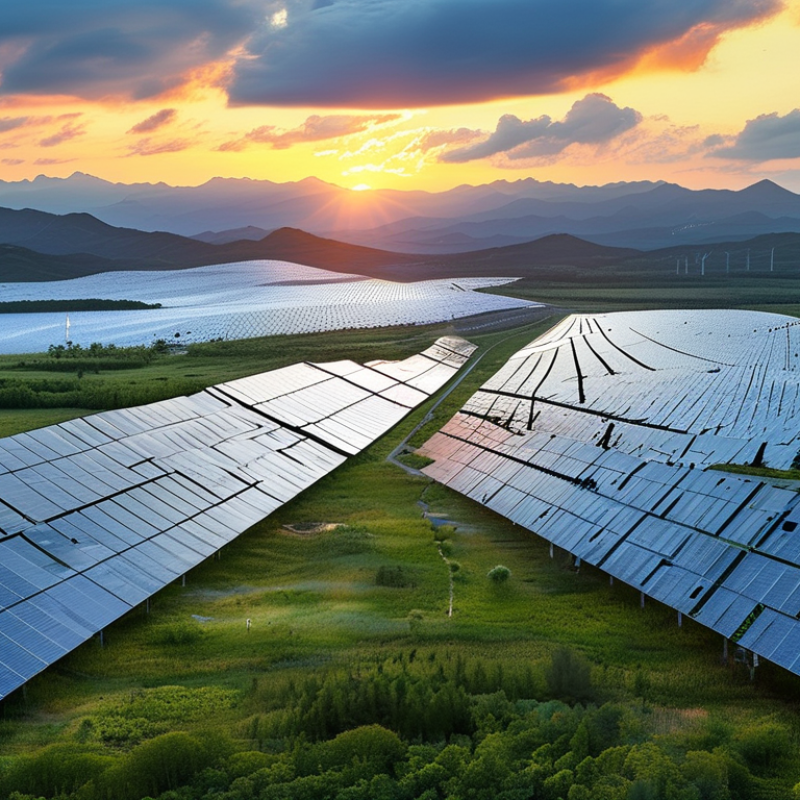
Benefits of Lithium Iron Phosphate Batteries for Renewable Energy Storage
Lithium iron phosphate (LiFePO4) batteries are gaining attention in renewable energy systems. They offer significant benefits over conventional lithium-ion batteries. These batteries have a high thermal stability, which enhances safety. They also have a long lifespan, often exceeding 4,000 charge cycles according to industry reports.
In renewable energy storage, these batteries play a vital role. They can efficiently store energy generated from solar and wind sources. The energy density of LiFePO4 batteries typically ranges from 90 to 160 Wh/kg. This makes them suitable for various applications, from home energy storage to larger grid systems.
Tip: When selecting battery options, consider the cycle life and safety ratings. Both are crucial for long-term efficiency.
However, there are drawbacks. The energy density is lower compared to some other lithium technologies. This can limit their appeal for certain applications. Cost considerations are also essential. LiFePO4 batteries might have a higher upfront cost, but their longevity can offset this over time.
Tip: Always assess the total cost of ownership, including maintenance and replacement cycles, not just the initial price.
They are increasingly pivotal for sustainability initiatives. As renewable energy becomes more prevalent, understanding these options is key. The right choice will support energy resilience in the future.
Key Specifications and Characteristics of Lithium Iron Phosphate Batteries
Lithium Iron Phosphate (LiFePO4) batteries are gaining attention in the renewable energy sector. These batteries offer impressive thermal stability and a long cycle life, making them reliable for energy storage. Their chemistry allows for higher discharge rates, which is essential for applications requiring quick power bursts. LiFePO4 batteries can handle demanding environments, ensuring they perform well under various conditions.
One key characteristic is safety. LiFePO4 is less prone to overheating compared to other lithium-ion batteries. This reduces risks in home installations or grid applications. Their efficiency is notable; they consistently maintain a charge retention rate over time. However, the energy density is lower than that of other lithium types. This limitation often leads to larger battery packs for the same energy output, demanding thoughtful planning in installations.
The environmental impact of lithium mining raises ethical questions about sourcing. While LiFePO4 batteries can offer significant advantages, they are not without flaws. Users must consider the trade-offs in performance versus safety and sustainability. A well-rounded assessment is vital for making informed decisions in renewable energy setups.
Market Trends and Forecasts for Lithium Iron Phosphate Battery Demand by 2026
The market for lithium iron phosphate (LiFePO4) batteries is rapidly evolving. By 2026, demand for these batteries in renewable energy applications is projected to soar. Industry analysts estimate that the global market could reach over $10 billion by this time. This growth is driven by the increasing adoption of renewable energy sources and the need for efficient energy storage solutions.
Reports indicate that lithium iron phosphate batteries represent approximately 28% of the total lithium battery market. This segment is favored due to its safety, stability, and longer lifecycle compared to traditional lithium-ion batteries. Many companies are investing in R&D to enhance performance parameters. However, some challenges remain. The energy density of LiFePO4 batteries is lower than other lithium batteries, which can limit their application in certain high-demand sectors.
Looking ahead, more countries are implementing policies to boost renewable energy use. These policies could further increase LiFePO4 battery demand. Economic factors also play a role; as raw material prices fluctuate, costs may affect market dynamics. Despite these uncertainties, the trend towards cleaner energy solutions suggests a promising outlook for lithium iron phosphate batteries. The industry must adapt to these changes while addressing existing limitations.
Top Lithium Iron Phosphate Battery Manufacturers and Their Offerings
The landscape of lithium iron phosphate (LiFePO4) batteries continues to evolve, especially for renewable energy applications. Many manufacturers are stepping up with innovative solutions. These batteries are favored for their thermal stability and longer lifecycle. They offer a safer alternative compared to other lithium-ion batteries. As the demand for renewable energy grows, the options provided by various manufacturers are becoming more diverse.
Several key players have emerged in this field, emphasizing high performance and reliability. They focus on producing batteries that are efficient and can withstand various environmental conditions. Customization is also a common offering. These companies often provide solutions tailored to specific renewable energy systems. However, with such growth comes the challenge of distinguishing quality from mere claims.
The ongoing advancements in technology frequently lead to confusion. Not every battery marketed as "high-performance" truly meets those standards. It's crucial for consumers to diligently research and compare offerings. Reviews and independent assessments can provide insight into a battery's real-world performance. Manufacturers must not only innovate but also ensure that quality and transparency remain top priorities.
Comparative Analysis of Lithium Iron Phosphate vs Other Battery Technologies
Lithium Iron Phosphate (LiFePO4) batteries are gaining traction in renewable energy. They are known for their thermal stability and safety. Reports indicate that LiFePO4 batteries offer 2,000 to 5,000 charge cycles. This lifespan often surpasses that of traditional lithium-ion batteries. More renewable energy systems require such longevity to be cost-effective.
When compared to other battery technologies, LiFePO4 advantages become clear. For instance, lead-acid batteries can only provide 500 to 1,000 cycles. That makes them less advantageous for long-term applications. Additionally, LiFePO4 batteries maintain stable performance even in high temperatures. This is critical in areas with extreme weather. Yet, these batteries typically have lower energy density. This means they take up more space for the same energy output as other lithium-ion options.
Recent comparative studies suggest a growing interest in LiFePO4 batteries, especially for solar and wind energy systems. Some analysts predict that their market share could reach 30% by 2026. However, their higher initial costs can deter some buyers. Ultimately, weighing the upfront investment against long-term benefits is vital. The renewable energy landscape continues to evolve, and ongoing research is essential.
2026 Best Lithium Iron Phosphate Battery Options for Renewable Energy
| Battery Technology |
Energy Density (Wh/kg) |
Cycle Life (Cycles) |
Charge Time (Hours) |
Cost ($/kWh) |
Environmental Impact |
| Lithium Iron Phosphate (LiFePO4) |
90-160 |
2000-5000 |
5-8 |
< $300 |
Low toxicity, recyclable |
| Lithium-Ion (NMC) |
150-250 |
1000-2000 |
1-3 |
$300-600 |
Moderate toxicity, limited recyclability |
| Lead Acid |
30-50 |
500-1000 |
8-16 |
$150-200 |
High toxicity, recyclable |
| Nickel-Cadmium (NiCd) |
40-60 |
1000-2000 |
1-3 |
$300-500 |
High toxicity, limited recyclability |





 Tina - International Sales Director