Top Benefits of Lithium Iron Phosphate Battery for Global Buyers?
The Lithium Iron Phosphate Battery (LiFePO4) has made significant strides in various industries. According to Dr. Emily Chen, a renowned expert in battery technology, “LiFePO4 batteries are a game changer for energy storage solutions.” This statement encapsulates the growing relevance of these batteries for global buyers.
The advantages of Lithium Iron Phosphate Batteries are compelling. Their ability to provide high energy density while ensuring safety makes them a preferred choice. These batteries feature a longer life cycle compared to traditional lithium-ion batteries. Their stability under thermal conditions also prevents risks associated with overheating.
However, challenges exist. While the initial costs may deter some buyers, the long-term savings offset this investment. Not all manufacturers meet high quality standards, leading to inconsistent product performance. Understanding these factors is crucial for making informed decisions. The benefits of Lithium Iron Phosphate Batteries are indeed substantial, but careful evaluation is essential for optimal deployment.
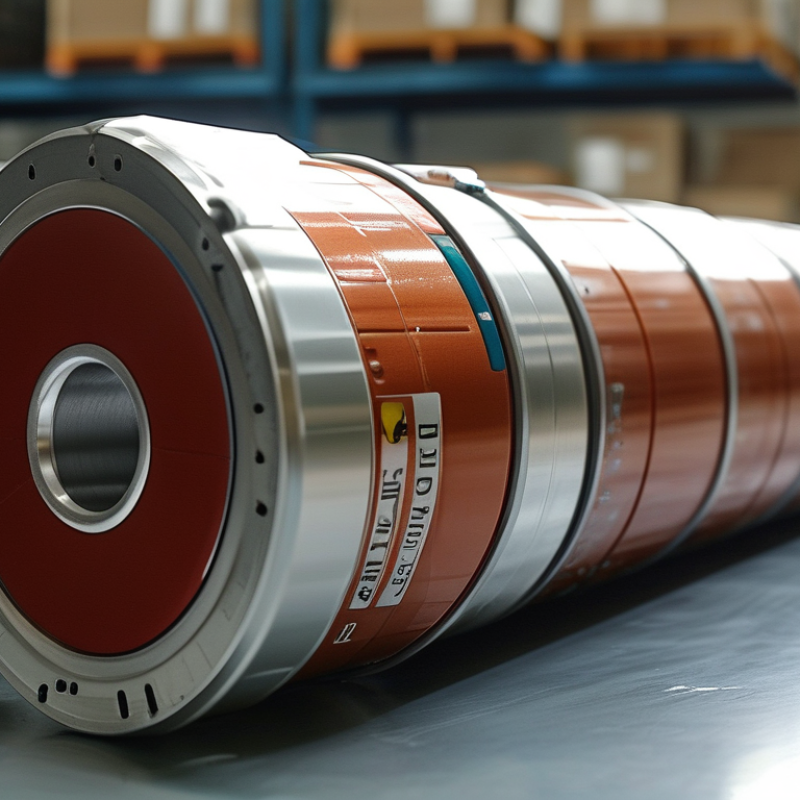
Advantages of Lithium Iron Phosphate Batteries for Buyers
Lithium Iron Phosphate (LiFePO4) batteries present numerous advantages that appeal to global buyers. They offer a longer lifespan compared to traditional lithium-ion batteries. Reports indicate LiFePO4 batteries can last up to 10 years. This longevity translates to lower replacement costs over time. Their stable chemistry minimizes risks of overheating and combustion, which is an attractive safety feature for buyers concerned about battery reliability.
Efficiency is another critical factor. Recent studies reveal LiFePO4 batteries maintain over 90% discharge efficiency. This high efficiency ensures optimal performance in various applications, from electric vehicles to renewable energy storage. However, it’s essential to consider the trade-off. While they offer safety and longevity, LiFePO4 batteries have a lower energy density than other lithium options. This means they require more space for the same energy output, which can be a limiting factor in compact designs.
Cost is still an essential consideration. The initial investment for LiFePO4 batteries is often higher than conventional alternatives. However, the total cost of ownership can favor LiFePO4 due to their long lifespan and lower maintenance needs. Buyers should weigh these factors carefully, reflecting on the immediate costs versus long-term value for their specific requirements.
Key Performance Characteristics of Lithium Iron Phosphate Technology
Lithium Iron Phosphate (LiFePO4) batteries offer an impressive performance profile that appeals to global buyers. One key characteristic is their thermal stability. These batteries can withstand higher temperatures without degradation, enhancing safety for various applications. This stability reduces the risk of overheating in demanding environments, making them suitable for electric vehicles and renewable energy systems.
Another notable feature is their extended cycle life. LiFePO4 batteries can undergo more charge and discharge cycles compared to traditional lithium batteries. This longevity results in reduced replacement costs over time. However, it's essential to consider their energy density, which is lower than that of other lithium-ion batteries. This limitation may impact performance in energy-constrained applications, necessitating careful evaluation.
In terms of environmental impact, LiFePO4 batteries are more eco-friendly than many alternatives. They lack toxic materials, promoting safer recycling processes. Yet, buyers should reflect on the need for more research into battery disposal and recycling. The lithium market also faces fluctuations, impacting availability and pricing. Buyers need to stay informed to make the best decisions.
Cost-Effectiveness of Lithium Iron Phosphate Batteries in Various Markets
Lithium Iron Phosphate (LiFePO4) batteries are gaining traction globally, especially for their cost-effectiveness. In 2023, the global LiFePO4 market was valued at around $12 billion, with projections indicating significant growth. This increase reflects the demand across various sectors, including renewable energy and electric vehicles.
The manufacturing cost of LiFePO4 batteries is notably lower than that of traditional lithium-ion batteries. Data shows that the average cost per kilowatt-hour for LiFePO4 batteries is approximately $100, compared to $150 for other lithium-ion variants. This cost difference enhances their appeal, particularly in markets where budget constraints are critical, such as in developing regions.
However, buyers must consider the trade-offs. While LiFePO4 batteries offer longevity and safety, their energy density is lower, impacting performance in specific applications. This characteristic might lead to longer charging times or reduced range in electric vehicles. Such factors necessitate careful assessment for optimal use, balancing initial savings with long-term performance needs.
Environmental Impact and Sustainability of Lithium Iron Phosphate Batteries
Lithium Iron Phosphate (LiFePO4) batteries are increasingly recognized for their environmental advantages. These batteries utilize abundant and non-toxic materials, reducing ecological risks. A recent report from the International Energy Agency states that LiFePO4 batteries can offer up to a 20% lower carbon footprint over their lifecycle compared to traditional lithium-ion batteries. This makes them a more sustainable choice for global buyers.
The recyclability of lithium iron phosphate batteries is another significant benefit. According to research published in the Journal of Power Sources, up to 95% of the materials can be recovered and reused. This mitigates the depletion of natural resources and decreases the waste generated by battery disposal. Furthermore, LiFePO4 batteries demonstrate excellent thermal stability, reducing the risk of fires and hazardous waste, which can lead to serious environmental pollution.
Despite these benefits, challenges remain. The production process can still be energy-intensive. Moreover, the sourcing of raw materials might conflict with sustainable mining practices. Buyers must weigh these factors carefully. Balancing environmental impact and performance is essential. As the demand for cleaner energy solutions grows, LiFePO4 batteries will likely play a crucial role. Evaluating their full environmental implications will be vital for informed decision-making.
Applications and Use Cases of Lithium Iron Phosphate Batteries Worldwide
Lithium Iron Phosphate (LiFePO4) batteries are gaining traction globally due to their diverse applications. These batteries excel in electric vehicles, renewable energy storage, and portable electronics. Reports indicate that the global lithium iron phosphate battery market is projected to reach USD 17 billion by 2027, highlighting their increasing demand.
In urban transport, LiFePO4 batteries are integral to electric buses. They offer longer life spans and stable performance, making them ideal for public transport. In energy storage, their thermal stability minimizes risks, providing safety during operation. Factories use them for backup power, ensuring critical systems remain operational during outages.
Tips: When selecting LiFePO4 batteries, consider energy density and cycle life. Monitor the temperature to avoid overheating. Many users overlook maintenance, which is crucial for longevity. Regular checks can prevent inefficiencies and extend the battery's usefulness.
The rapid adoption of solar energy systems worldwide showcases the versatility of lithium iron phosphate batteries. In residential setups, they are favored for storing solar energy, promoting energy independence. However, challenges such as the recycling of batteries remain. Addressing these concerns is crucial to fully utilize their potential in a sustainable manner.




 Tina - International Sales Director