Why Choose Foya Solar Battery for Your Energy Needs?
In today's world, energy efficiency is critical. The quest for reliable and sustainable energy sources has led many to consider the Foya Solar Battery. Dr. Emily Chen, a renewable energy expert at Solar Innovations, emphasizes, "The Foya Solar Battery stands out for its efficiency and longevity." This statement highlights the growing trust in this product.
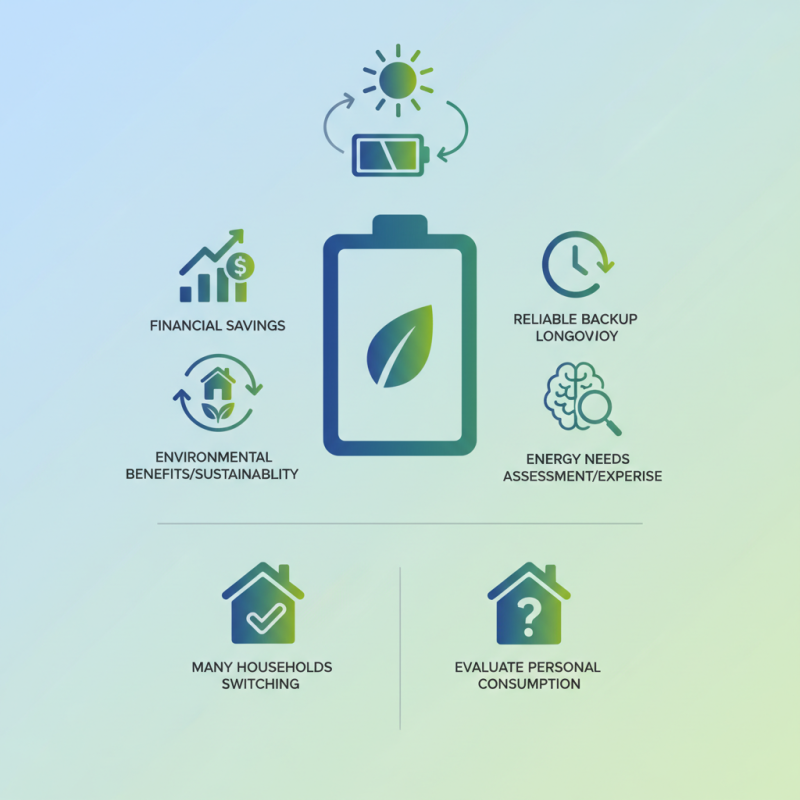
The Foya Solar Battery is not just an energy storage solution; it represents a shift towards sustainability. This battery harnesses solar energy, providing a reliable backup during power outages. Many households are making the switch, realizing the financial savings and environmental benefits.
However, potential consumers must also consider their energy needs carefully. Not every home may require a Foya Solar Battery. Evaluating personal energy consumption is crucial before making such an investment. In a rapidly evolving energy landscape, expertise in selecting the right battery cannot be overstated.
Advantages of Foya Solar Batteries in Energy Storage Solutions
Foya Solar Batteries stand out in today’s energy storage market due to their impressive efficiency and reliability. Reports indicate that energy storage demand is projected to grow by over 25% annually through 2026. This makes Foya an attractive option for those transitioning to renewable energy. One of the significant advantages is their high cycle life, often exceeding 5,000 cycles. This longevity translates to lower replacement costs over time.
Another benefit of Foya batteries is their rapid charging capabilities. They can recharge up to 80% in just a few hours. This is crucial for users needing energy quickly, especially during peak demand periods. According to industry analysis, quicker charging also enhances overall energy management, allowing users to maximize their solar energy utilization. However, users occasionally report longer charging times in colder climates. This could impact performance, and users should consider this when selecting a system.
Tips: Always assess your specific energy needs before purchasing a battery. Ensure that the battery capacity aligns with your consumption patterns. Regularly monitor the health of your battery system, as early detection of issues can prevent major problems down the line. Stay informed about the latest battery technologies to optimize your energy strategy.
Why Choose Foya Solar Battery for Your Energy Needs? - Advantages of Foya Solar Batteries in Energy Storage Solutions
| Feature |
Advantage |
Details |
| High Energy Density |
Reduced Space Requirement |
More energy storage in a smaller footprint, ideal for home use. |
| Long Lifespan |
Cost-Effectiveness |
Reduces replacement costs over time, saving money in the long run. |
| Fast Charging |
Increased Efficiency |
Quickly stores energy from solar panels, maximizing usage. |
| Scalability |
Flexible Energy Solutions |
Easily expandable as energy needs grow. |
| Eco-Friendly Technology |
Sustainable Energy Source |
Minimizes environmental impact while providing power. |
| User-Friendly Interface |
Easy Monitoring and Management |
Allows users to easily track energy usage and battery status. |
Technical Specifications of Foya Solar Batteries and Their Performance
When considering solar battery options, technical specifications play a vital role. A key factor is energy capacity. High-capacity batteries can store more power. This feature is crucial during cloudy days or power outages. A battery with a larger storage capacity can give you peace of mind.
Another important specification is discharge rate. This indicates how quickly the battery can release stored energy. A high discharge rate means you can power multiple devices. However, high discharge rates can stress the battery, impacting its lifespan. It’s a balance worth contemplating.
Battery performance also hinges on temperature tolerance. Some batteries work well in extreme heat or cold. Poor performance in fluctuating temperatures can lead to efficiency loss. Exploring these details can ensure you make an informed choice. While theoretical knowledge exists, practical applications reveal more. Don’t forget to consider real-user experiences. They often highlight strengths and weaknesses that specifications alone cannot capture.
Comparative Analysis: Foya Solar Battery vs. Industry Competitors
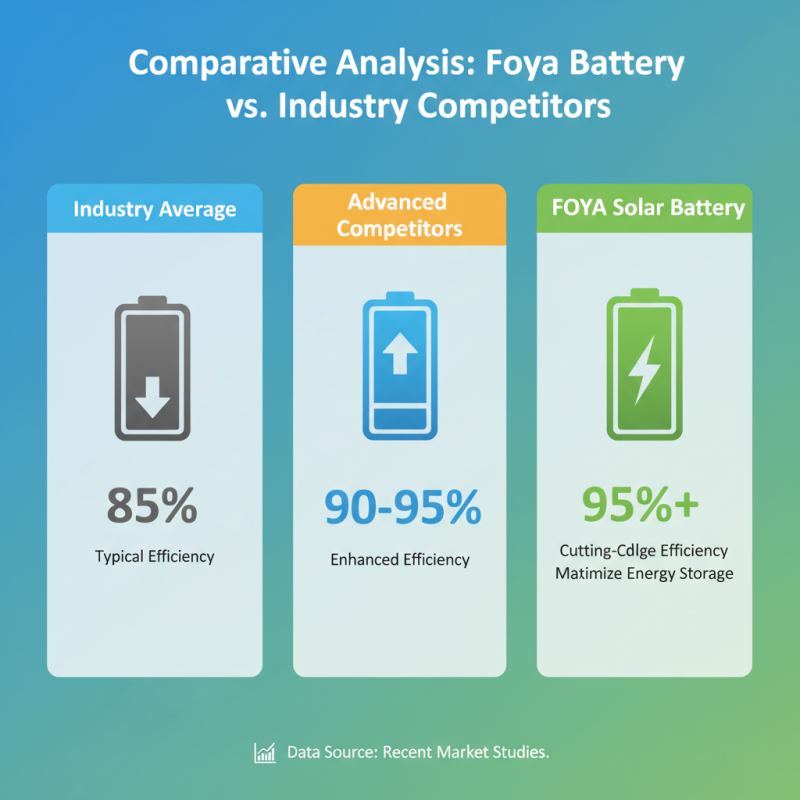
When considering solar batteries, it is essential to evaluate how they stack up against industry competitors. Recent studies show that the average efficiency rate for solar batteries in the market hovers around 85%. However, some advanced models have reached rates of up to 95%. The leap in technology can be a game-changer for consumers aiming to maximize energy storage.
Pricing plays a pivotal role in decision-making. Industry reports indicate that the average cost per kilowatt-hour stored is approximately $300. Comparative analysis reveals that certain batteries can exceed this by a significant margin, which may not justify the additional cost for average consumers. Yet, investing in higher-end models may offer longer life cycles, sometimes exceeding 10 years, which can lead to reduced replacement frequency.
Durability also varies among products. Data indicates that many batteries experience a performance drop of 20% after five years of use. Consumers should consider this when choosing a solar battery. Addressing the balance between functionality and cost is crucial. Opting for a more affordable model could lead to lower returns on energy savings over time. Thus, the choice becomes a question of immediate budget versus long-term sustainability.
Sustainability Impact: Foya's Contribution to Renewable Energy Goals
Sustainability has become a crucial part of modern energy solutions. A growing number of individuals and businesses are focused on reducing their carbon footprint. This shift is essential for addressing climate change. Renewable energy plays a key role in this transition. Alongside solar panels, battery storage is vital for maximizing the efficiency of solar energy systems.
Foya's solar battery emphasizes sustainability. It allows users to store excess energy generated during peak sunlight. This energy can then be used during nighttime or cloudy days. The result is less dependence on fossil fuels. Every charge not only benefits the consumer but also the planet. It aligns with global renewable energy goals.
However, challenges remain. The production of solar batteries impacts the environment. The materials needed pose ethical sourcing questions. Consumers must stay informed about these issues. Making responsible energy choices involves recognizing both benefits and drawbacks. The journey toward sustainability requires ongoing reflection and action. Each step toward renewable energy should be taken with care and consideration.
Customer Satisfaction: Real-World Feedback on Foya Solar Batteries
When considering solar batteries, user feedback plays a crucial role. Many customers report satisfaction with their Foya solar batteries. They praise the reliability and long-lasting performance in various weather conditions. This feedback highlights Foya’s commitment to quality. However, some users mention occasional charging issues. Such experiences remind us that no product is perfect.
Tips: Always check for user reviews. Real-world feedback provides insights that specifications may not cover. Explore community forums for additional opinions.
Another factor is customer service. Many users appreciate prompt responses from support teams. This responsiveness can significantly impact overall satisfaction. A few customers, however, faced delays in support. This aspect raises questions about efficiency and areas for improvement.
Always keep your batteries clean. Regular maintenance maximizes performance and lifespan. Users should also monitor their usage patterns. Understanding energy consumption helps in making informed decisions. Balancing expectations and experiences is key.
Customer Satisfaction Survey: Feedback on Solar Batteries







 Tina - International Sales Director