12 Tips for Using a 12.8v Lifepo4 Battery Effectively?
In the growing field of renewable energy storage, the 12.8v Lifepo4 Battery stands out. Experts like Dr. Emily Carter emphasize its importance, stating, "Efficiency and longevity in battery usage are essential for sustainable energy solutions." Properly utilizing this battery can enhance its performance and lifespan.
Understanding the intricacies of a 12.8v Lifepo4 Battery is crucial for both professionals and everyday users. This battery type is known for its excellent discharge rates and safety features. However, many users underestimate their capacity needs, impacting efficiency. Regular maintenance and usage practices can lead to better results.
As the technology evolves, so do best practices. Users may overlook calibration or optimal charge cycles. A small but consistent effort can make a significant difference. Knowledge of these factors not only ensures safety but also maximizes the battery's potential. Taking these steps can lead to a more effective and reliable energy solution.
Understanding the Basics of 12.8V Lifepo4 Batteries
Understanding the basics of a 12.8V LiFePO4 battery can enhance its effectiveness. These batteries are known for their long cycle life, which can exceed 2000 cycles under proper conditions. They maintain a stable voltage output and exhibit excellent thermal stability. Research indicates that a LiFePO4 battery operates well between 20% and 80% state of charge, optimizing performance and lifespan.
To maximize battery life, consider charging your 12.8V LiFePO4 battery frequently, but avoid deep discharges. Using a Battery Management System (BMS) can prevent overcharging and overheating, common pitfalls that can lead to battery failure. Data reveal that maintaining a consistent charging routine improves overall battery efficiency.
Pay attention to ambient temperature. LiFePO4 batteries perform optimally at room temperature. Cold environments can reduce capacity, while excessively high temperatures can shorten battery life. Regularly monitor voltage levels and battery health to catch potential issues early. By keeping these tips in mind, you can ensure that your LiFePO4 battery meets its full potential while maximizing reliability and safety.
Safety Precautions for Handling Lifepo4 Batteries
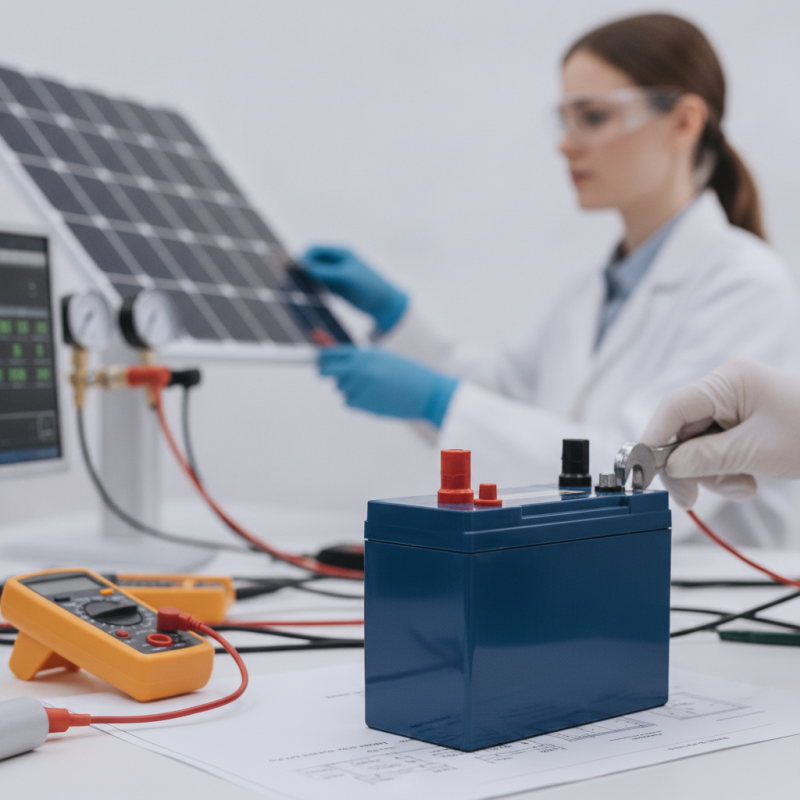
When handling LiFePO4 batteries, safety should be your top priority. Ensure your workspace is clear of clutter. Always wear gloves and eye protection. These batteries can release harmful gases if damaged. Avoid short-circuiting the terminals. Keep tools away from the terminals while connecting. Batteries can catch fire or explode if mishandled.
One effective tip is to monitor the battery's temperature during charging and discharging. Ideally, the temperature should stay within a safe range. Charge the battery in a well-ventilated area. High temperatures can lead to failures. Consider using a battery management system. This system can help prevent overcharging, which is crucial for safety.
Make sure to store the battery properly. Keep it in a cool, dry place. Avoid exposing it to extreme temperatures. Regularly check for any signs of damage. If you see swelling or leaks, do not use the battery. Disconnect it immediately and follow proper disposal guidelines. Each precaution taken will enhance safety and battery longevity.
Monitoring Battery Health: Tools and Techniques
Monitoring battery health is essential for maximizing the lifespan and performance of a 12.8v Lifepo4 battery. One effective method is using a
battery management system (BMS). This tool tracks critical metrics like voltage, current, and temperature. It helps prevent overcharging or deep discharging,
which can harm the battery.
Another technique involves conducting regular capacity tests. This process verifies how much energy the battery can store. A simple load test, using a resistive load, can indicate
the battery's current state. If capacity drops significantly, it may be time to reevaluate its usage or consider replacements.
Visual inspection plays a role too. Check for any swelling, leaks, or corrosion on terminals. These signs can indicate
underlying issues affecting performance. Engaging in proactive maintenance can increase reliability. Remember that environmental factors influence battery health.
Keep the battery in a climate-controlled space to optimize its longevity. Regular monitoring aids in making informed decisions about your battery's health.
Optimal Storage Conditions for Lifepo4 Batteries
When it comes to storing a 12.8v Lifepo4 battery, optimal conditions are crucial. Ideally, keep the battery in a cool, dry place. Extreme temperatures can degrade battery health. Aim for a temperature range of 20°C to 25°C. Protecting the battery from humidity is also vital. High humidity can lead to corrosion over time.
Regular checks are recommended. Inspect the battery every few months for any signs of damage or wear. Ensure that the terminals are clean. Dust and residue can impact performance. Consider charging the battery to about 50% before long-term storage. This level helps maintain health and prolongs lifespan.
Remember to handle the battery properly. Avoid dropping or shaking it. Treat it with care. If you notice any changes in charge retention, reassess your storage methods. Keeping a log of storage conditions can offer insights into performance changes over time. Taking these steps can enhance battery longevity significantly.
Optimal Storage Conditions for LiFePO4 Batteries







 Tina - International Sales Director