China Best 12V 10Ah LiFePO4 Battery Manufacturer?
Choosing China’s best 12v 10ah Lifepo4 battery manufacturer takes more than comparing prices or polished product photos. A compact battery may power a camera, small mobility device, or backup system, yet its real performance depends on cell quality, battery management, and consistent assembly. Check whether the manufacturer clearly lists nominal voltage, usable capacity, charging limits, protection features, and test conditions. Details matter. A 10Ah label alone cannot tell you how the battery behaves under your actual load.
Battery researcher Jeff Dahn’s work offers a useful broader lesson. In paraphrase, not as a verified direct quotation: battery performance depends on cell design, operating conditions, and management—not capacity alone. That perspective helps buyers ask sharper questions. Does the supplier provide traceable test data? Can it explain low-temperature charging limits and expected cycle life? Are sample units available for evaluation? A serious manufacturer should answer plainly, not hide behind broad claims. This comparison will examine technical transparency, manufacturing capability, customization, quality control, and after-sales support across Chinese suppliers. No single factory is automatically the best fit. Even a promising specification sheet deserves a closer look.
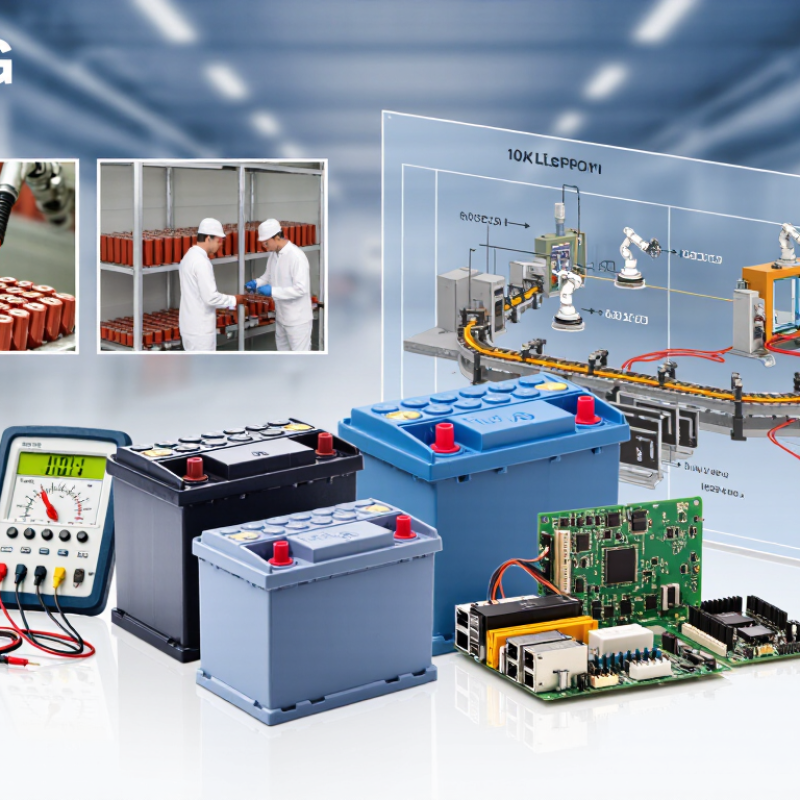
China’s 12V 10Ah LiFePO₄ Market: 12.8V Nominal Voltage and 128Wh
China’s 12V 10Ah LiFePO₄ Market: 12.8V Nominal Voltage and 128Wh
A typical 12V LiFePO₄ battery uses four cells in series, each rated near 3.2V. Their combined nominal voltage is 12.8V, while capacity remains 10Ah. The result is 128Wh of nominal energy: 12.8V multiplied by 10Ah. That figure helps compare battery sizes, but it does not guarantee 128Wh of usable energy. The load, temperature, wiring, and battery-management-system cutoff all affect what equipment can draw.
The wider battery market is expanding rapidly. The International Energy Agency’s Global EV Outlook 2024 reports that electric-car battery demand reached about 750GWh in 2023, roughly 40% above 2022. This figure concerns electric cars, not small 12V batteries, but it shows the scale of investment in battery supply chains. For buyers, the practical details still matter more than market growth: check the discharge rating, charging specifications, protection features, and dimensions. I would not choose by watt-hours alone.
Tips: Match the battery’s continuous discharge rating to your device, and allow extra capacity for cold conditions or inverter losses. A quick calculation helps. Divide the device’s wattage by 12.8V to estimate current draw, then confirm the battery can support it.
China’s 12V 10Ah LiFePO₄ Market: 12.8V Nominal Voltage and 128Wh
A 12.8V nominal voltage multiplied by a 10Ah capacity gives a calculated nominal energy of 128Wh. Actual usable energy can vary with operating conditions and battery specifications.
Cell Configuration: Four 3.2V LiFePO₄ Cells in Series
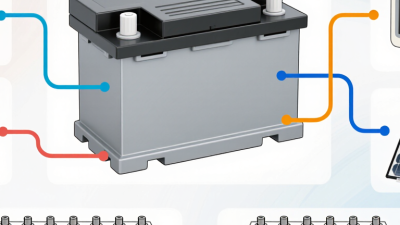
A 12V 10Ah LiFePO₄ battery typically uses four 3.2V cells connected in series. Their voltages add to a nominal 12.8V, while capacity remains 10Ah. That gives roughly 128Wh of nominal energy. Simple arithmetic, but the details matter.
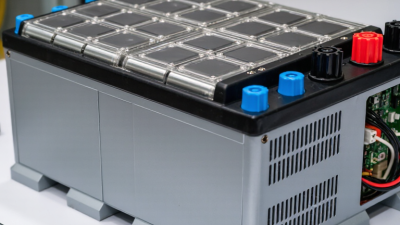
In a well-built pack, the four cells should be closely matched in capacity and condition. A battery management system monitors each cell and helps protect against overcharge, excessive discharge, and temperature extremes. Ask a manufacturer how cells are matched and whether each finished pack receives electrical testing. Look for clear specifications, including operating temperature and the recommended charger voltage. Do not assume every “12V” charger is suitable. Check the battery datasheet.
Series wiring makes cell balance important. If one cell reaches its voltage limit before the others, usable capacity may be reduced, even when the pack voltage looks normal. That is easy to overlook. For a compact setup, check that the battery terminals are secure and the BMS current rating suits the load. I would not judge quality by capacity labels alone; test records and consistent specifications are more useful.
Cycle-Life Comparison: Evaluate Claims at 80% Depth of Discharge
China Best 12V 10Ah LiFePO4 Battery Manufacturer?
Cycle-Life Comparison: Evaluate Claims at 80% Depth of Discharge
A cycle-life figure means little without its test conditions.
At 80% depth of discharge, a 10Ah battery supplies about 8Ah before recharging. Actual delivery can vary with load, temperature, and the battery’s cutoff settings. Small details matter.
Compare batteries tested at the same discharge rate and temperature. Check the charging method, rest periods, and voltage limits too. Ask what capacity threshold ended the test; some reports stop at 80% of the battery’s starting capacity, while others use a different point. Without that detail, two cycle counts may not be comparable. A polished chart can still hide a weak comparison.
For practical evaluation, request a dated test report and note whether it covers one sample or several. Then consider your own use: a battery in a cool, ventilated cabinet may age differently from one powering equipment outdoors in summer. That difference is easy to overlook.
I would treat unusually high cycle claims cautiously unless the method and results are clearly documented. Claims need context. A short test summary helps, but it cannot predict every installation’s service life.
Factory Assessment: Verify BMS Protection and 10Ah Capacity Testing
A factory assessment should verify how a 12V 10Ah LiFePO4 battery is protected and measured, not rely on a specification sheet alone. Ask to see the BMS test procedure and recent production records. For a typical four-cell pack, check that protection limits match the cell and pack design. Records should cover overcharge, undervoltage, overcurrent, and temperature protection. Small details matter.
Capacity testing needs controlled conditions. Confirm the discharge current, starting charge, ambient temperature, and cutoff voltage used for each test. A calibrated load tester should record voltage and delivered amp-hours until the agreed cutoff. The result should be close to 10Ah under the stated conditions, with the method clearly documented.
Then challenge a few production samples, not just a hand-picked unit. Not proof. A neat chart can still hide a weak test. Ask whether the displayed results come from traceable instruments and whether failed samples are recorded.
I would also check how the factory handles borderline readings; this part is easy to overlook. Compare repeated results across batches before judging consistency.





 Tina - International Sales Director