2026 Top Lithium Iron Phosphate Battery Features and Benefits?
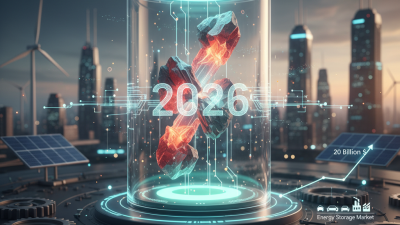
The Lithium Iron Phosphate Battery has gained considerable attention in recent years. In 2021, the global lithium battery market was valued at around $23 billion, with projections indicating it could reach over $90 billion by 2026. This growth is largely driven by the increasing demand for electric vehicles and renewable energy storage solutions. The Lithium Iron Phosphate Battery stands out due to its safety, thermal stability, and long cycle life, making it suitable for a variety of applications.
While it offers a number of advantages, it is crucial to address its limitations. The energy density of Lithium Iron Phosphate Batteries is lower compared to other lithium-ion chemistries, which may hinder its adoption in high-performance applications. However, its robust performance in safety and longevity often compensates for this drawback.
As the industry evolves, identifying the best features and benefits of Lithium Iron Phosphate Batteries is essential. Understanding these aspects can facilitate informed decision-making for manufacturers and consumers alike. The focus on sustainability and performance will continue to reshape this sector, driving innovations that may further enhance battery technology.

Key Features of 2026 Lithium Iron Phosphate Batteries
The 2026 Lithium Iron Phosphate (LiFePO4) batteries are set to revolutionize the energy storage market. Key features include enhanced thermal stability, longer cycle life, and improved safety. Reports indicate that LiFePO4 batteries can achieve over 2,000 charge cycles, significantly outpacing traditional lithium-ion batteries. This longevity reduces the need for frequent replacements, translating to lower costs in the long run.
Another striking feature is their high energy density, which allows for compact designs without sacrificing performance. These batteries retain up to 90% of their capacity after 1,500 cycles. The thermal stability of LiFePO4 reduces the risk of overheating, crucial for applications in electric vehicles and stationary storage. Some studies show that this characteristic decreases incidents of thermal runaway by nearly 50%.
Despite these advancements, challenges remain. The energy density, while improved, still lags behind that of alternative lithium-ion formulations. Additionally, the manufacturing processes can be energy-intensive, posing questions about sustainability. As the industry evolves, it will be essential to address these concerns while leveraging the benefits LiFePO4 batteries offer. This balance will define their role in future energy solutions.
Performance Metrics: Energy Density and Cycle Life Comparisons
The performance metrics of Lithium Iron Phosphate (LiFePO4) batteries are crucial for users seeking efficiency. Energy density, typically around 140-160 Wh/kg, showcases the battery's ability to store energy relative to its weight. This figure often falls short compared to other lithium-ion chemistries, which can reach 250 Wh/kg. However, LiFePO4 compensates for this with enhanced safety and thermal stability, reducing risks during operation.
Cycle life stands as another important metric. LiFePO4 batteries generally support 2000 to 4000 charge cycles at 80% depth of discharge. In contrast, traditional lithium-ion batteries may only reach 500-1500 cycles under similar conditions. This extended life reduces the frequency of replacements, which could save costs in the long term. Nevertheless, some users may find the management of discharge rates complex, requiring careful monitoring for optimal performance.
The balance of energy density and cycle life presents a trade-off. High energy density batteries may excel in performance but risk shorter lifespans. In contrast, the long cycle life of LiFePO4 makes it a reliable choice for applications demanding longevity. Users should evaluate their specific needs to determine the right solution for their projects. The ideal choice hinges on understanding these metrics and how they align with operational goals.
Safety Advantages Over Other Lithium-Ion Battery Technologies
Lithium iron phosphate (LiFePO4) batteries have emerged as a safer alternative to traditional lithium-ion batteries. Their safety advantages stem from a lower thermal runaway risk. According to a report by the National Renewable Energy Laboratory, LiFePO4 batteries can withstand higher temperatures without catching fire. They are less likely to release oxygen during thermal events, which improves their stability under stress.
Another significant benefit is their chemical stability. The inherent properties of LiFePO4 reduce the chance of catastrophic failures. A study published in the Journal of Power Sources states that these batteries last longer than other lithium-ion types. Their lifespan can be up to 2000 charge cycles, ensuring reliability in various applications.
When considering lithium iron phosphate batteries, proper usage enhances safety. Avoid exposing batteries to extreme heat. Regularly monitor charging practices and ensure compatibility with your devices. Quality control is vital; choosing reliable suppliers can prevent potential issues. A more profound understanding of the technology can lead to better safety practices.
Environmental Impact: Recycling and Sustainability of LFP Batteries
Lithium Iron Phosphate (LFP) batteries are gaining traction in the energy market. Their potential for recycling and sustainability is noteworthy. According to the International Energy Agency, the demand for lithium-based batteries is expected to increase sharply by 2030. This surge makes understanding their environmental impact crucial.
LFP batteries contain non-toxic materials that are easier to recycle. The recycling process can recover up to 90% of the materials used. This is significant when we consider that, by 2030, nearly 14 million tons of batteries will reach their end-of-life stage. While the recycling infrastructure is developing, some challenges remain. Facilities are still limited in capacity, creating potential bottlenecks.
Sustainability practices must evolve alongside battery production. Research indicates that LFP batteries emit around 50% less carbon during manufacturing compared to their lithium-cobalt counterparts. However, mining practices for lithium can still impact water and soil quality. The industry must focus on responsible sourcing and sustainable production methods. As the sector evolves, balancing efficiency and environmental responsibility becomes paramount.
2026 Top Lithium Iron Phosphate Battery Features and Benefits
| Feature |
Description |
Environmental Impact |
Sustainability |
| High Energy Density |
LFP batteries offer significant energy storage capabilities, suitable for various applications. |
Lower carbon footprint compared to traditional lithium-ion batteries. |
Easily recyclable materials reduce environmental impact. |
| Safety |
LFP batteries are more stable and less prone to overheating and fires. |
Reduced risk of toxic leakage and fire hazards in case of damage. |
Long lifespan contributes to lower waste and resource consumption. |
| Durability |
Excellent cycle stability and can withstand more charge/discharge cycles. |
Longer operational life means fewer replacements and lower overall waste. |
Manufactured using abundant phosphate, ensuring resource availability. |
| Cost-effectiveness |
Lower production costs compared to other lithium battery technologies. |
Lower economic impact through reduced raw material extraction and processing costs. |
Encourages recycling programs due to economic benefits of reclaimed materials. |
| Temperature Resilience |
Performs better in a wider range of temperatures compared to other types. |
Less energy loss in extreme conditions promotes efficiency. |
Promotes longevity and efficiency, reducing overall consumption. |
Market Trends: Demand Growth and Applications in Electric Vehicles
As we approach 2026, the electric vehicle (EV) sector continues to witness robust demand for lithium iron phosphate (LiFePO4) batteries. This battery type is gaining popularity due to its safety and thermal stability. Lithium iron phosphate technology is known for reducing fire risks compared to traditional lithium-ion batteries, making it an essential choice for manufacturers focused on safety and efficiency.
The surge in electric vehicle adoption is driving the demand for LiFePO4 batteries. This technology offers notably longer lifespans and better performance in various temperatures. In real-world applications, many EVs equipped with LiFePO4 batteries experience fewer charging interruptions. This reliability is crucial for both urban commuters and long-distance travelers. More industry players are exploring this technology, inspiring confidence in its continued growth in the market.
However, challenges remain despite the positive trends. Generally, the energy density of LiFePO4 batteries is lower compared to other lithium technologies. This might limit their appeal in applications requiring lightweight and compact batteries. Researchers are addressing these limitations, aiming to enhance performance without compromising safety. Hence, while LiFePO4 batteries present numerous advantages, manufacturers must continue evaluating their long-term viability against evolving technologies.
2026 Lithium Iron Phosphate Battery Market Trends
This chart illustrates the expected demand growth for Lithium Iron Phosphate batteries from 2023 to 2026, highlighting the increasing applications in electric vehicles.



 Tina - International Sales Director